Start small with short infusions
Short infusions are easier to learn with a small vessel, a manageable amount of tea and somewhere to pour the whole brew.
Begin with a small table, not a collection
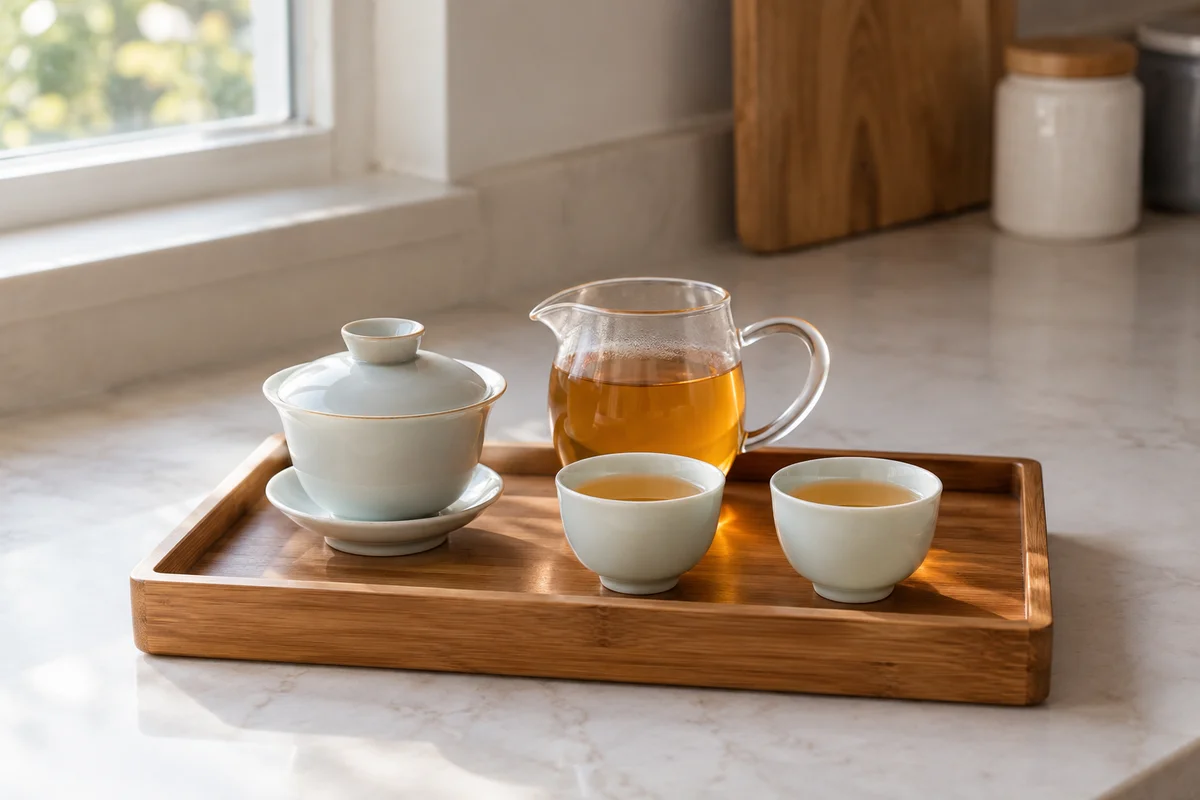
A gaiwan or small pot, a vessel to receive the tea and one or two cups are enough to begin exploring short infusions. A large ceremonial-looking arrangement is not a requirement. The useful feature is control: you can separate a small volume of water from the leaves promptly and taste how the next infusion differs. Choose equipment you can handle comfortably rather than something impressive but difficult to grip.
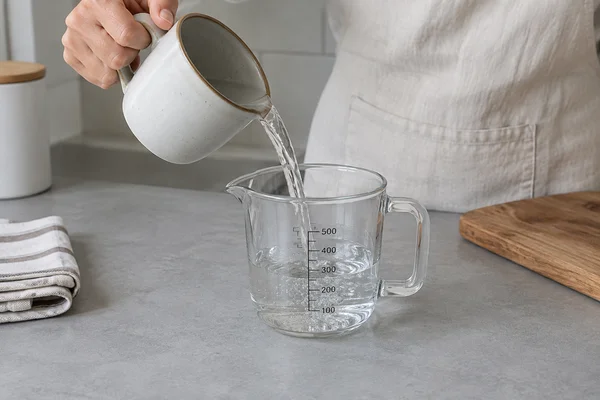
Practice pouring with cool water before adding leaves. Check the working capacity of the brewing vessel and make sure the receiving pitcher can hold it all. A pot that is described by its brimful capacity should not necessarily be filled to that level during use. Leave enough room for a secure lid position and a controlled pour without hot liquid escaping towards your fingers.
Use a recipe meant for short infusions
These methods often use more leaf relative to water than a large-pot routine, paired with much shorter contact. Combining the larger dose with a several-minute mug steep can produce an unexpectedly forceful drink. Start with the tea supplier's short-infusion guidance if available, including the intended vessel size. Do not borrow a leaf weight from one method and a timing instruction from another without recognising the change.
Set up the receiving pitcher and cups before you pour. Keep track of whether the stated time begins with the first water or after filling, and notice how long drainage takes. For the first few sessions, a brief note of dose, water and each interval is enough. You are learning the relationship between actions and flavour, not trying to memorise a universal timetable for every tea.
Let the sequence stay manageable
Drain between rounds and prepare further infusions during the same session with clean equipment. Taste a little from each before deciding whether the next needs a longer pause or a different temperature. Stop when the tea no longer gives a cup you enjoy. If handling the vessel feels awkward, a small handled pot may suit you better than a gaiwan. The method should make differences easier to notice, not turn each pour into a test of nerve or require collecting more objects before you can begin.