A better brew
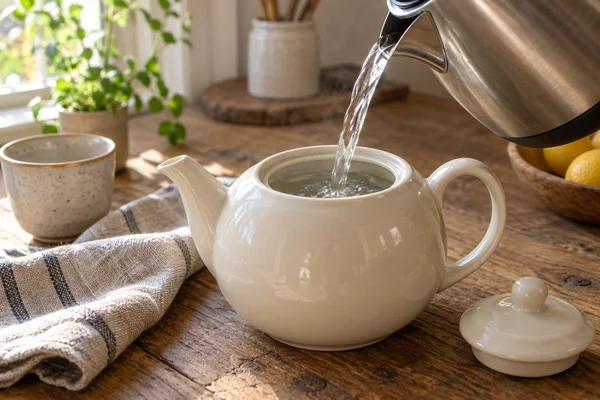
Does your teapot need warming?
A cold pot takes some of the heat intended for the leaves. A brief warm-up can make a familiar recipe more repeatable, especially with a heavy pot.
Small adjustments to water, leaf and time that you can actually taste.
A cold pot takes some of the heat intended for the leaves. A brief warm-up can make a familiar recipe more repeatable, especially with a heavy pot.
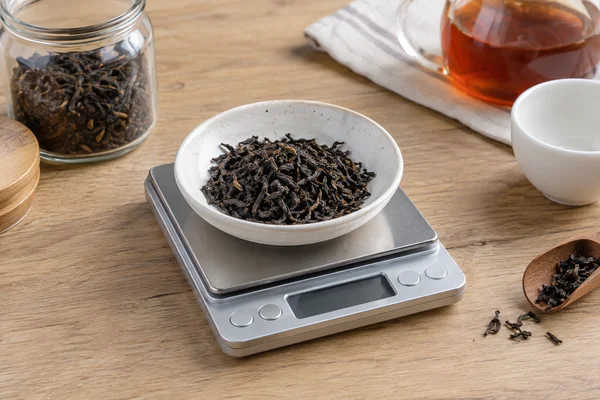
A scale removes the guesswork caused by different leaf shapes. It is most useful when you want to repeat a cup you already enjoy.
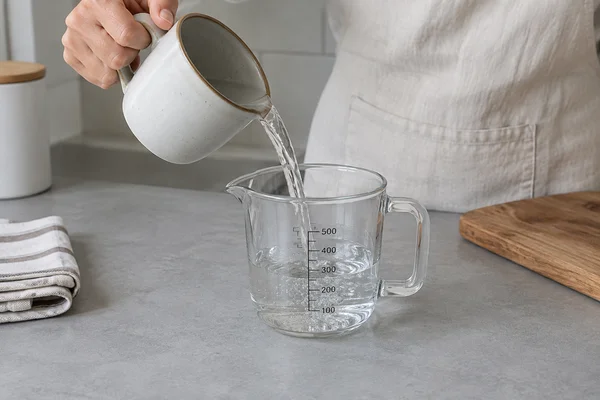
Recipes written for a cup become clearer when you know your own mug's working volume, with room left for leaves and comfortable handling.
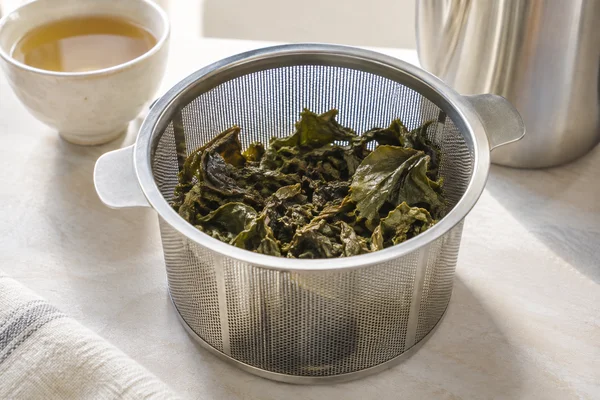
Compact leaves can occupy a surprising amount of room once wet. Check the space in the infuser, not just whether the dry portion fits.
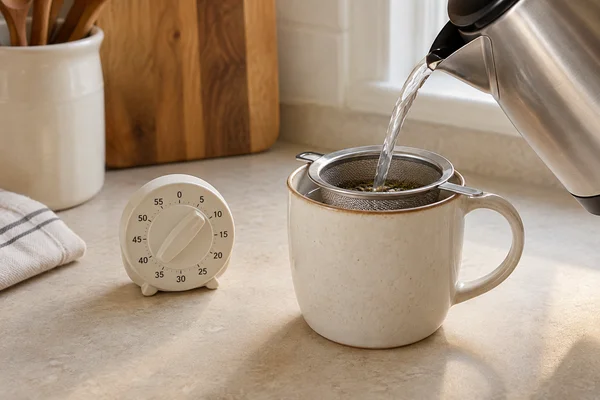
Choose a clear starting point for the timer and use it consistently. With very short infusions, the time spent filling and pouring matters too.
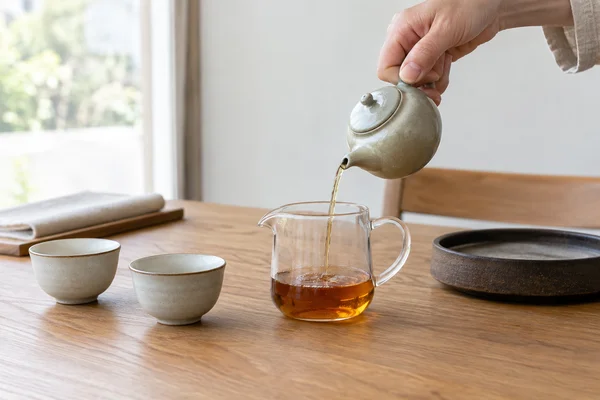
Leaves keep brewing while tea leaves the pot. A slow or blocked spout can change a short infusion more than you expect.
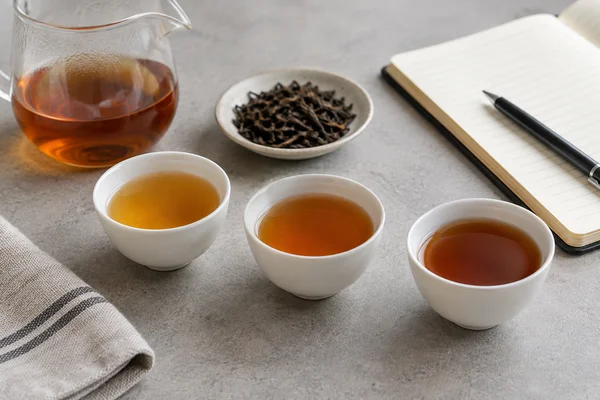
A useful brewing experiment has one clear question. Keep the other settings steady so you can tell what the change actually did.
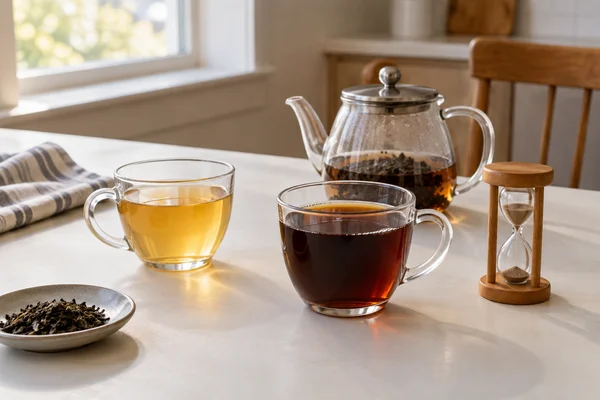
Before blaming the tea, separate an unwanted bitter taste from a drying mouthfeel and check the way the cup was brewed.
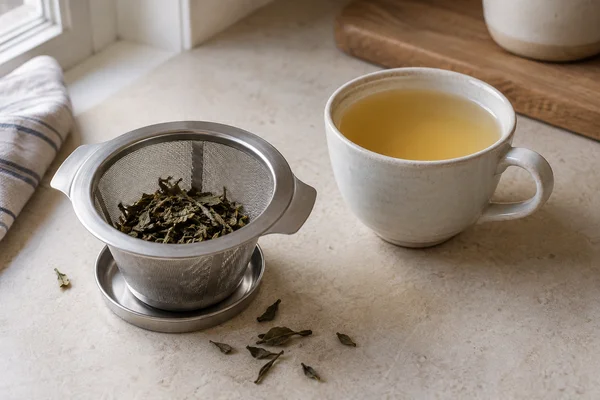
A pale colour does not automatically mean weak tea. Check flavour, water volume and leaf contact before extending the steep.
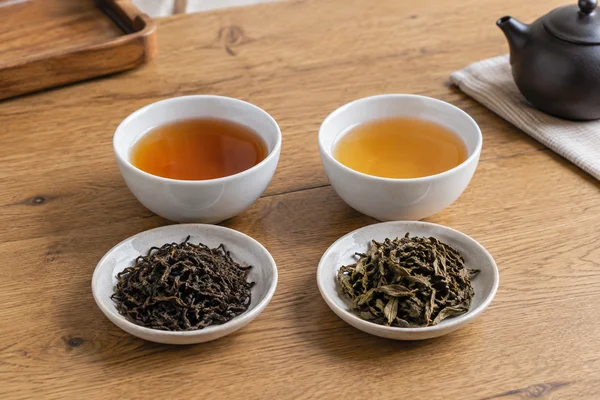
A drying sensation is part of tea's texture, not simply another word for bitterness. Notice when it appears before changing the recipe.
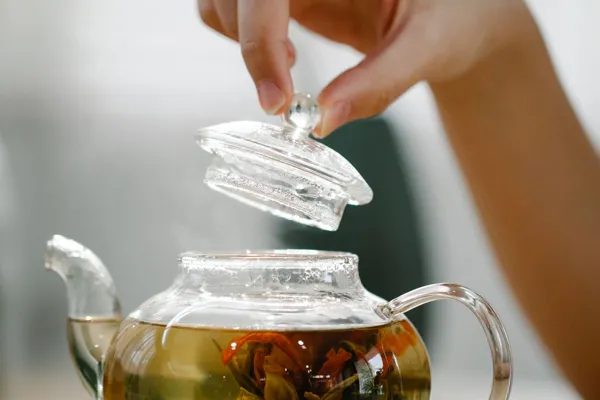
A lid changes how readily heat leaves the vessel. Compare covered and uncovered brewing without treating either method as a rule for every tea.
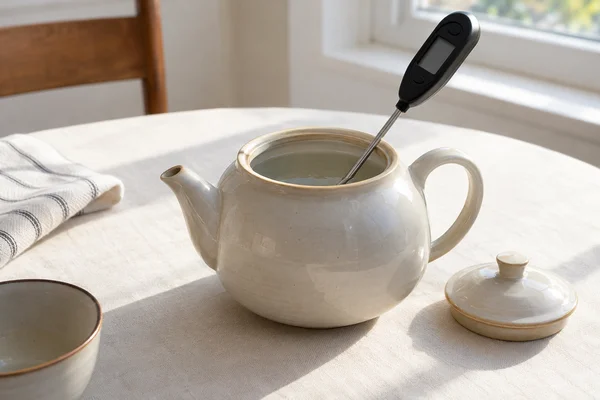
The number on a kettle describes water in the kettle. The pot, pouring distance and waiting time all influence what reaches the leaves.
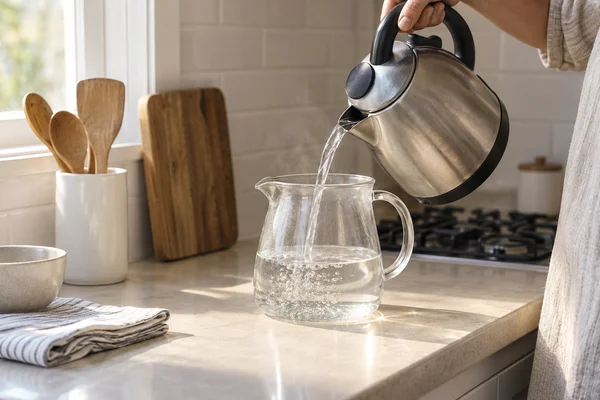
There is no waiting time that cools every kettle to the same temperature. Make the cooling routine repeatable, and measure when precision matters.
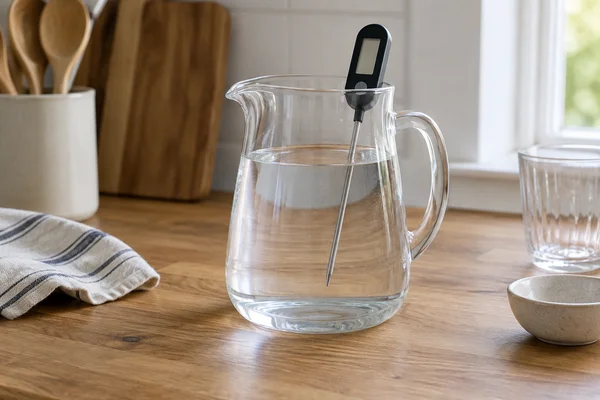
A probe touching the pot wall can tell you about the wall rather than the water. Position and timing make a temperature reading useful.
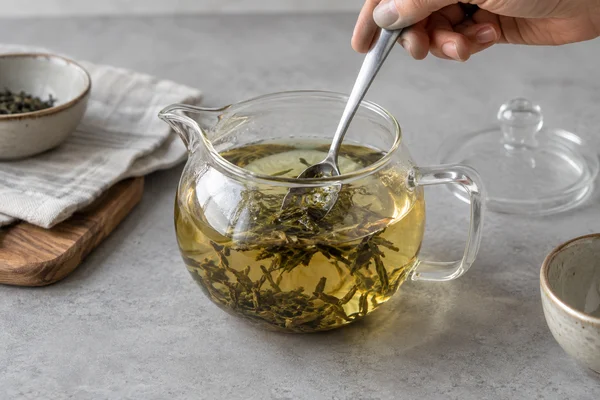
Stirring changes how water moves around the leaves. A gentle, repeatable action is easier to assess than constant agitation.
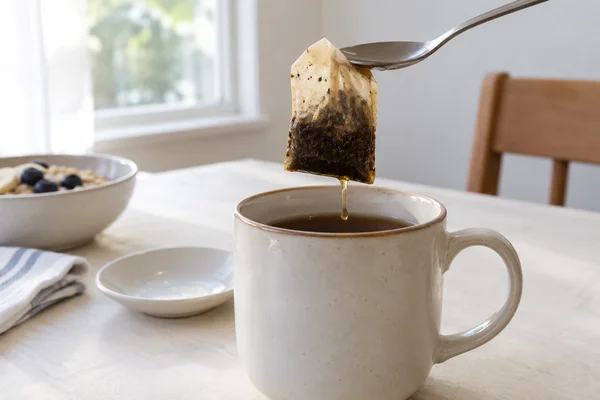
Pressing a tea bag releases the liquid it holds. Whether you prefer the result is a tasting question, but forceful squeezing makes consistency harder.
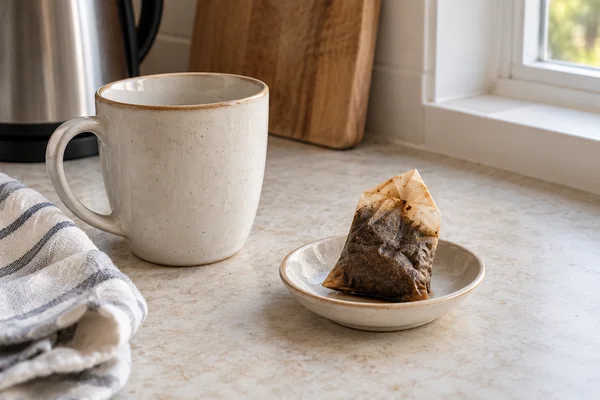
A small dish beside the mug makes it easy to finish the infusion on time and keeps a wet bag away from books, desks and fingers.
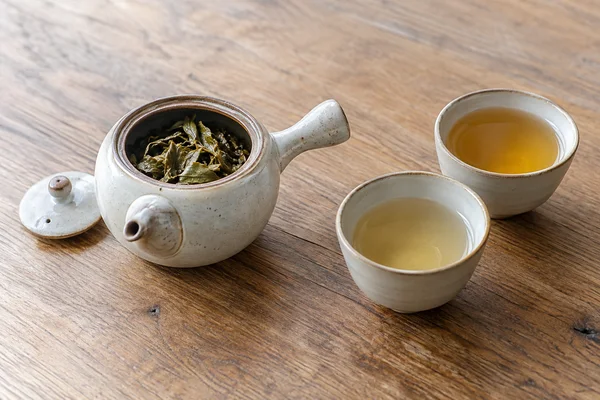
The second brew starts with wet, opened leaves. Its timing may need to change, and its flavour does not have to copy the first cup.
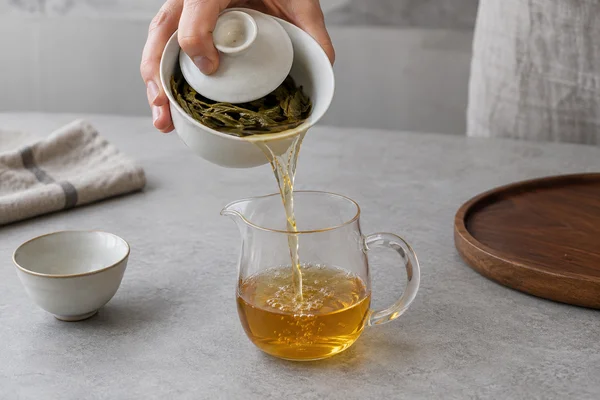
Leaving a little tea around the leaves changes the next round. A complete, controlled pour gives short infusions a clearer stopping point.
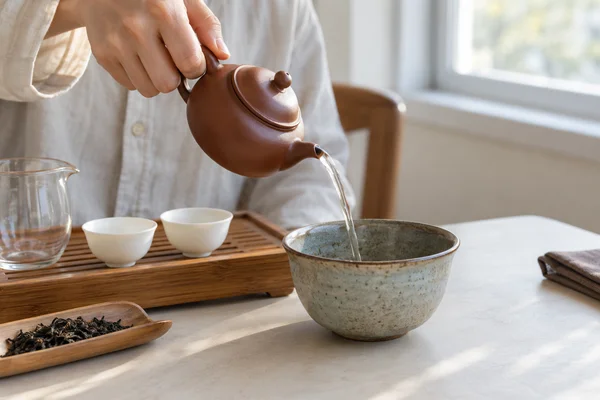
A brief rinse appears in some brewing traditions, but it cannot certify tea as clean, safe or caffeine-free.
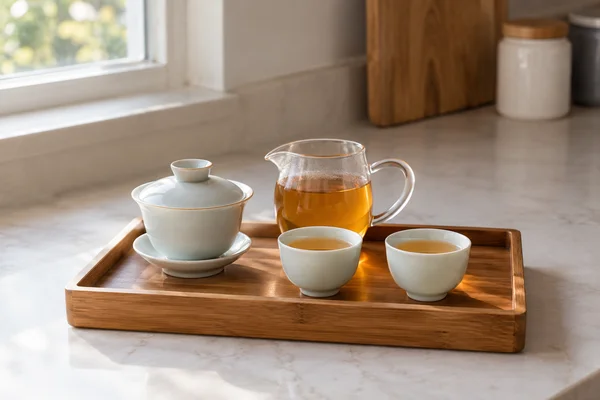
Short infusions are easier to learn with a small vessel, a manageable amount of tea and somewhere to pour the whole brew.
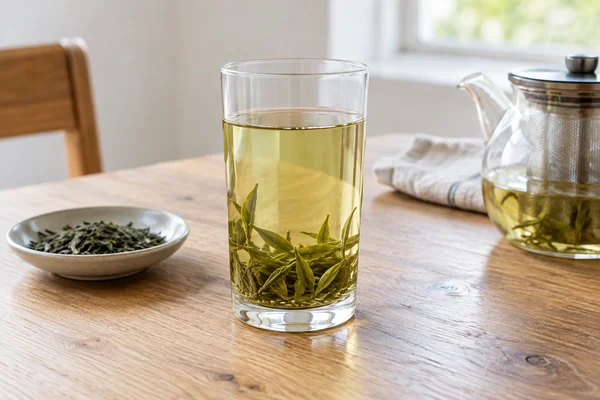
Loose leaves can brew directly in a suitable glass. This informal method needs a modest portion and a comfortable way to drink around the leaves.
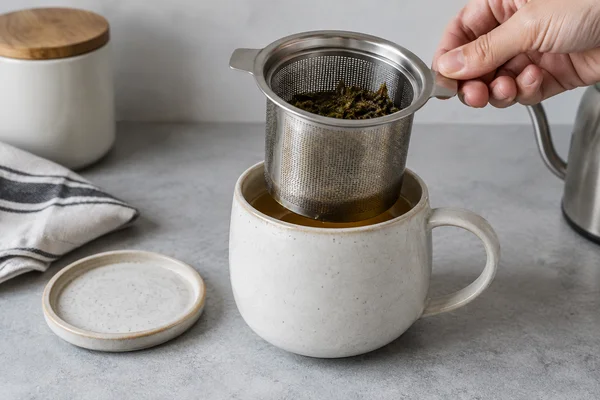
A mug with a roomy removable basket offers a straightforward way to brew loose tea and stop it at the strength you prefer.
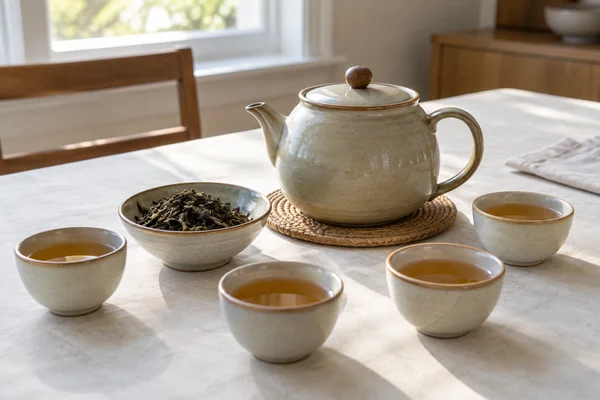
Scale the leaves to the water first, then check how the larger pot changes filling, heat retention and pouring.
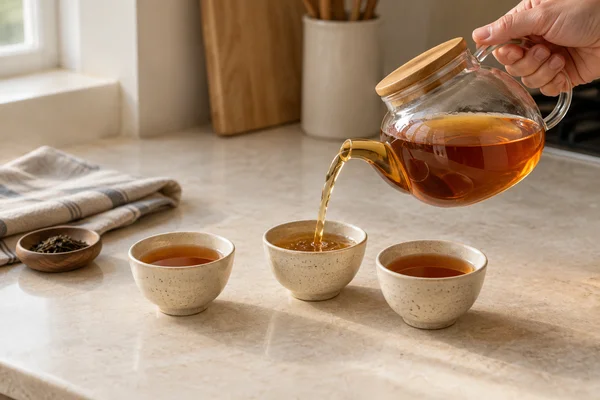
The first and last tea leaving a pot may differ. Mixing the finished infusion in a serving pitcher makes sharing it more straightforward.
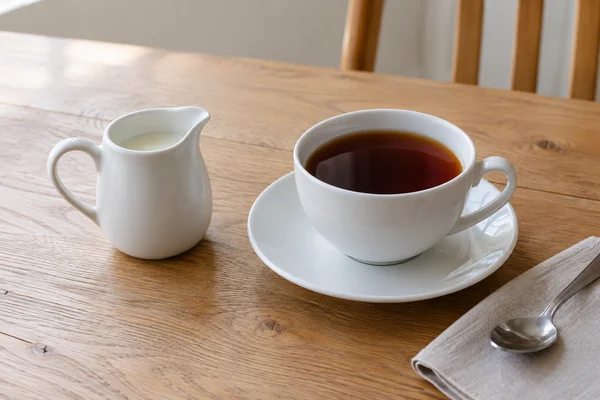
Let the tea finish brewing before milk enters a mug with leaves or a bag. Then adjust the milk to the cup rather than hiding an uncertain brew.
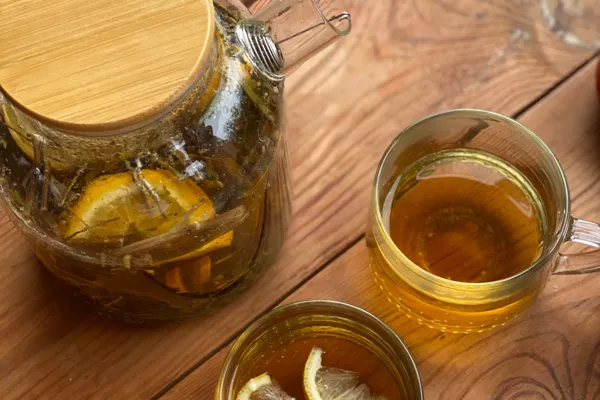
A little lemon can brighten a cup and change its colour. Taste the brewed tea first, then add citrus gradually.
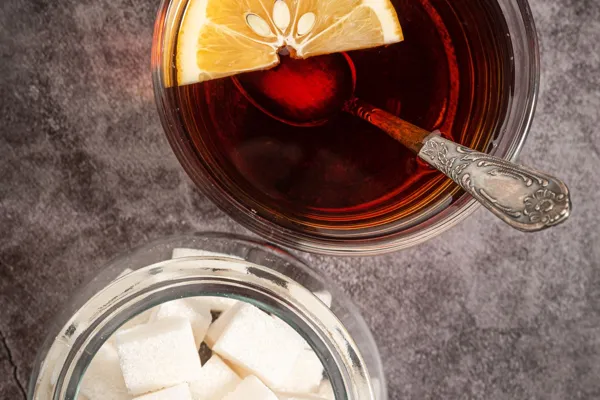
Try sweetener in a small portion before changing an entire pot. The right amount depends on both the tea and the sweetener's own flavour.
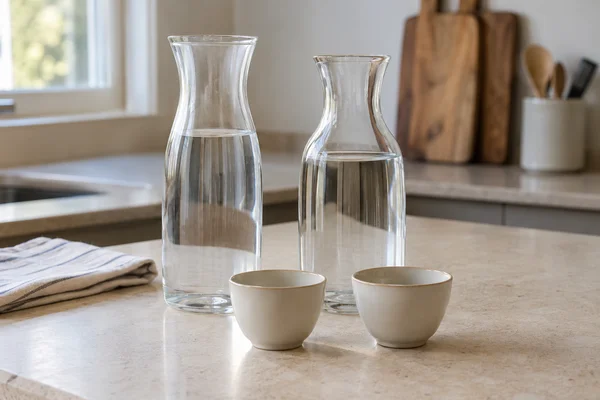
Water is worth comparing when a familiar tea tastes flat or different in another kitchen. Use a small controlled trial before buying equipment.
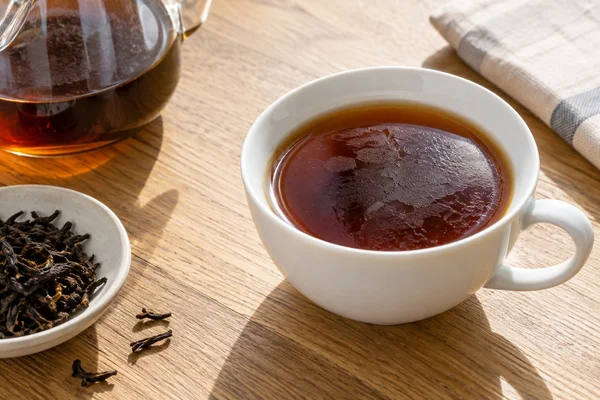
A fine film can form where tea meets air, influenced by compounds in the leaves and minerals in the water. Check the context before blaming dirty cups.
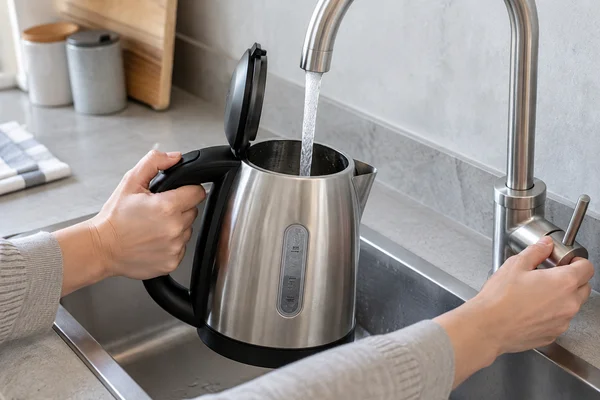
Fill for the amount of tea you need while respecting the kettle's minimum and maximum levels. A simple water routine is easier to repeat.
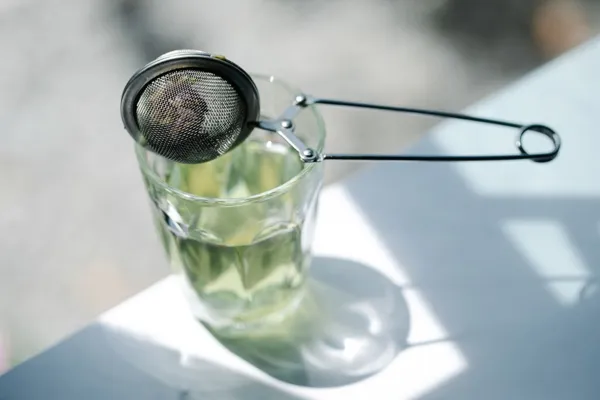
An infusion stops changing through leaf contact only when liquid and leaves are separated. Use a removable filter or a second vessel to make that endpoint clear.
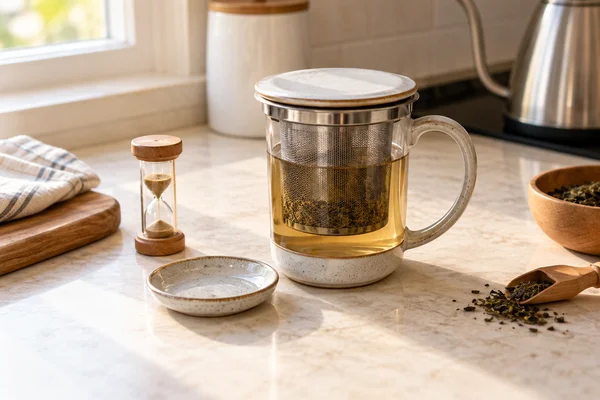
The most useful desk setup is one that lets you remove the leaves without abandoning your work or risking a spill near electronics.
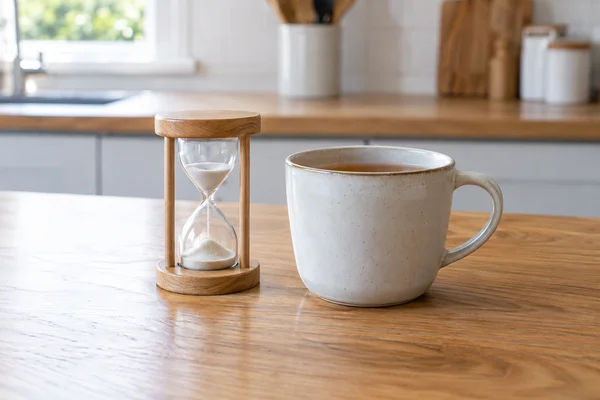
Put the tea on its own small schedule while dinner is underway. A clear counter space and an audible timer help prevent a forgotten infusion.
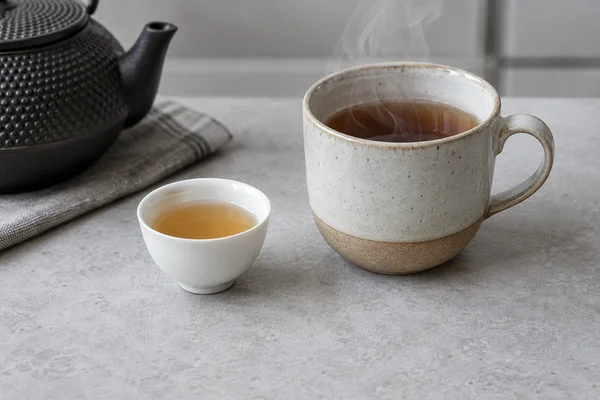
The first sip should be comfortable enough to judge. A small tasting portion can cool without leaving the whole brew on the leaves.
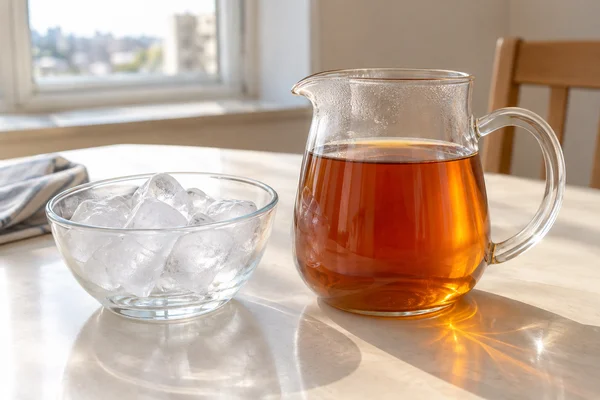
Prepare the tea properly with hot water, remove the leaves, then cool it promptly. Plan the ice and final volume before you begin.
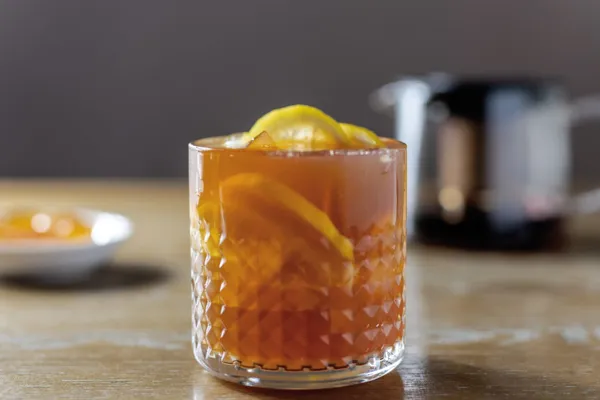
Melting ice is an ingredient, not just a way to chill the glass. Include it when judging how strong an iced tea should begin.
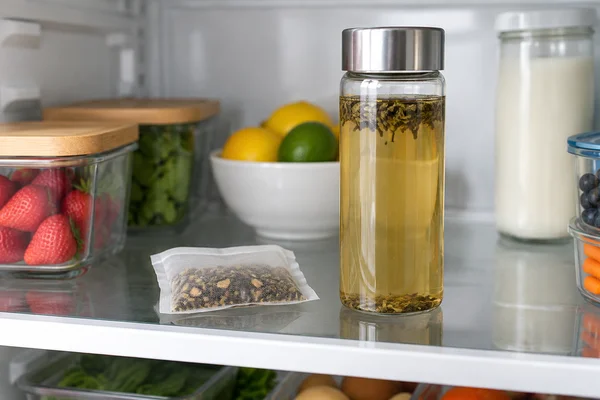
Choose a product explicitly intended for cold infusion and follow its instructions. Refrigeration alone does not replace the preparation required for ordinary tea products.
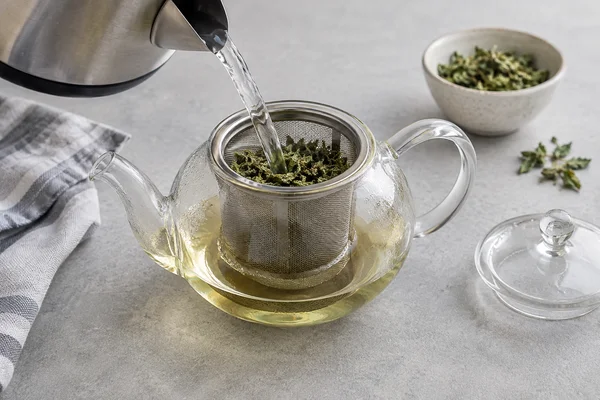
For ordinary herbal and fruit infusions, boiling water and the full specified steep are part of proper preparation, not just a preference for a stronger flavour.
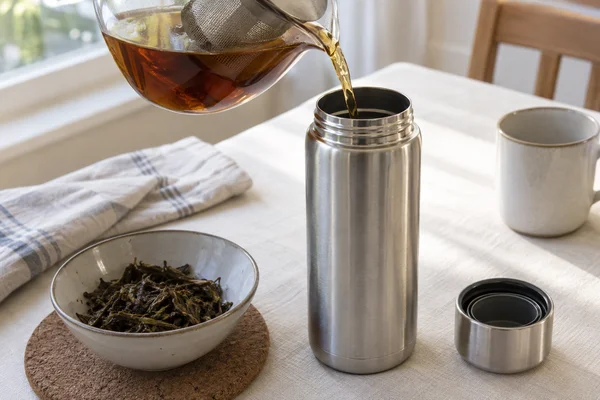
A flask is good at holding heat, which makes forgotten leaves especially influential. Fill it with finished, strained tea for a more predictable drink.
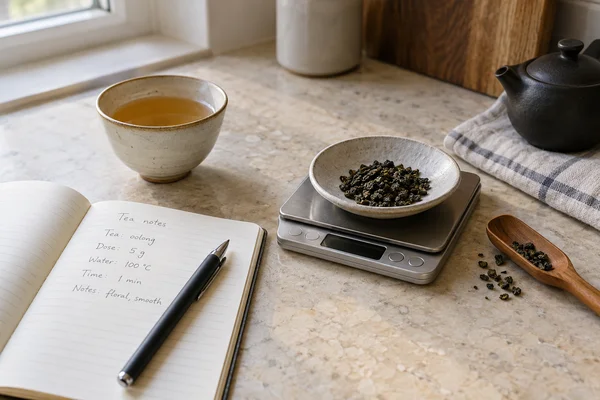
A useful tea note records what you did and what you would change. It can fit on a few lines without becoming a tasting diary.
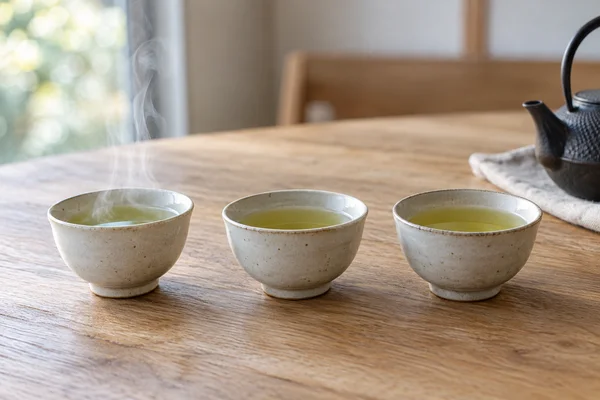
One tea can seem different across a single cup. Tasting it again as it cools helps separate brewing choices from the temperature of the sip.
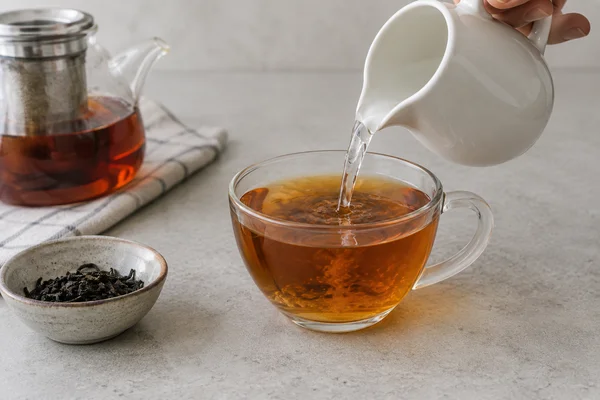
A little suitable water can make a concentrated cup easier to drink. Try it in a small portion and keep the next brewing adjustment separate.