Beyond the tea leaf
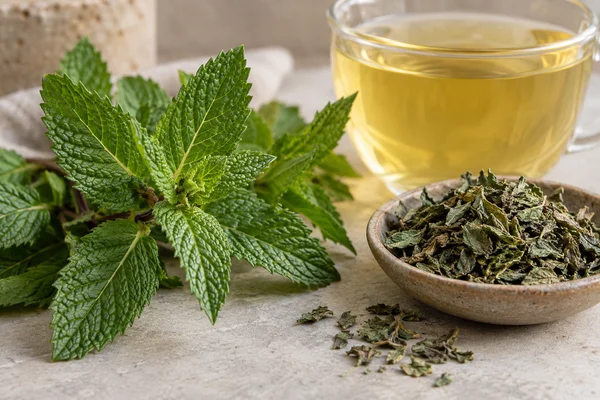
Peppermint and its cooling aroma
Peppermint's cool impression sits on top of a leafy herbal flavour; it is not the same as a chilled drink.
Herbs, fruit and other infusions, explored through ingredients and flavour.
Peppermint's cool impression sits on top of a leafy herbal flavour; it is not the same as a chilled drink.
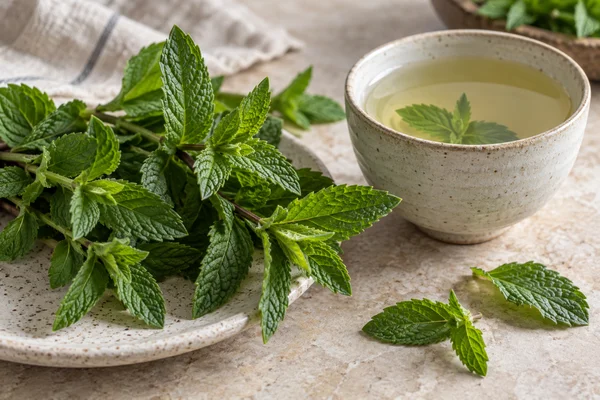
Spearmint offers an aromatic, sweet-seeming freshness that differs from peppermint's sharper cooling edge.
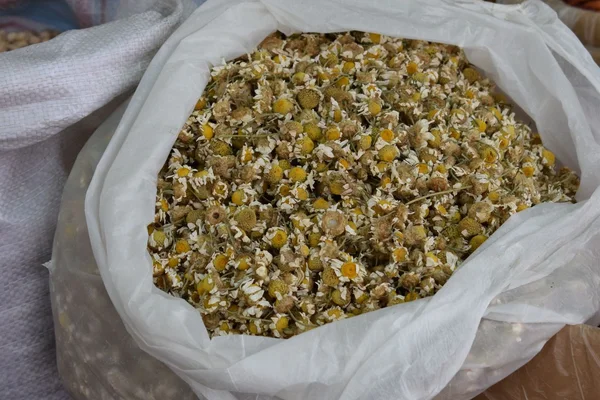
Chamomile's small flower heads give a cup that can be floral, hay-like and gently bitter as well as sweet-smelling.
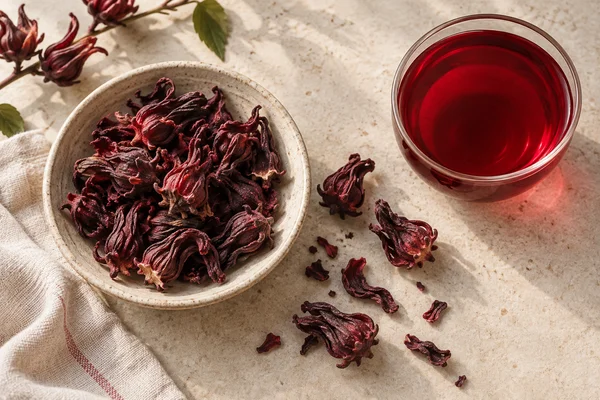
The red material used for hibiscus infusion is the calyx of roselle, bringing both colour and a pronounced tart taste.
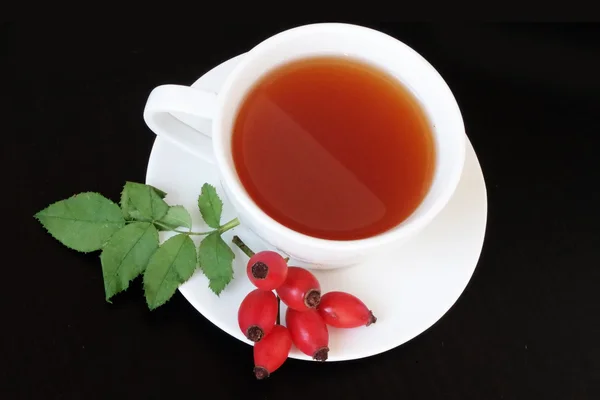
Rosehip supplies a rounded fruit character; the bright red of many rosehip blends often comes partly from hibiscus.
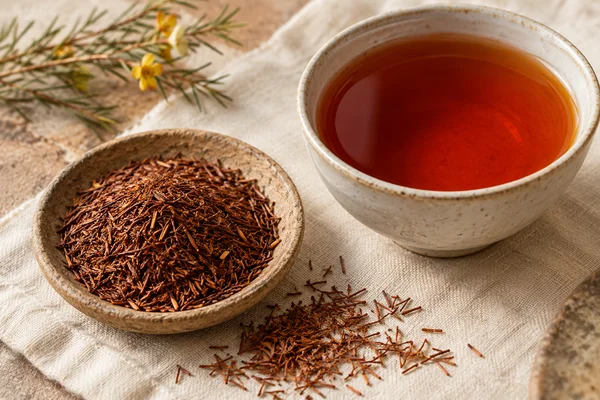
Rooibos comes from a South African shrub, giving a reddish cup with a character distinct from black tea.
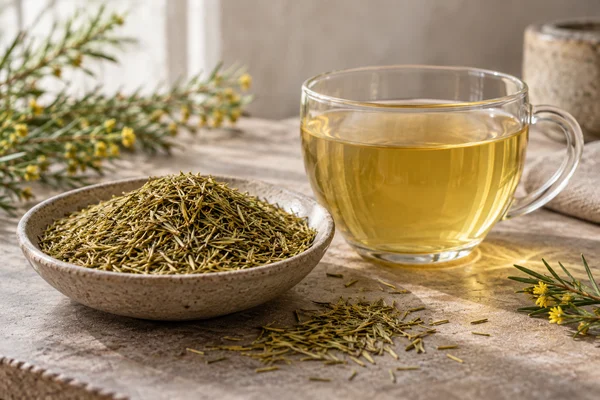
Green rooibos is a less-oxidised expression of the same plant, with a lighter colour and a fresher herbal direction.
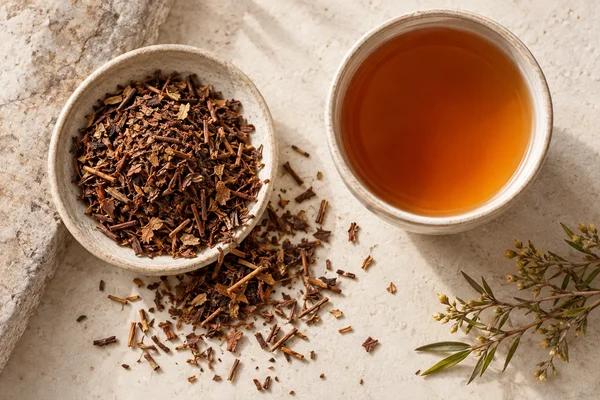
Honeybush is its own South African botanical, with floral and fruity variation hidden behind a sweet-sounding name.
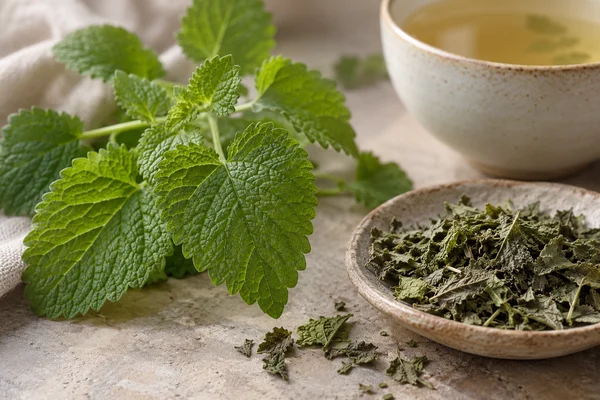
Lemon balm gives a soft citrus-herbal scent without supplying the sharp acidity of lemon juice.
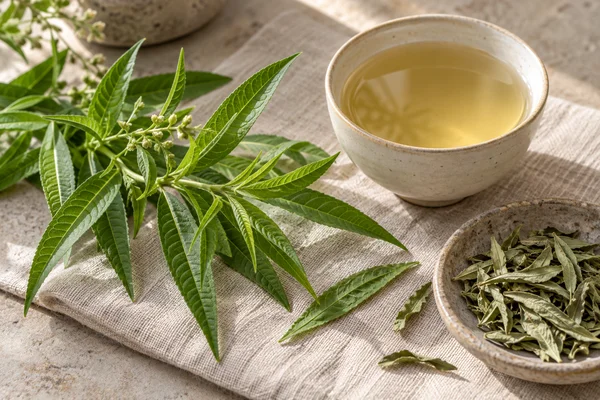
Lemon verbena's long leaves carry a distinct citrus perfume with a herbal and sometimes floral background.
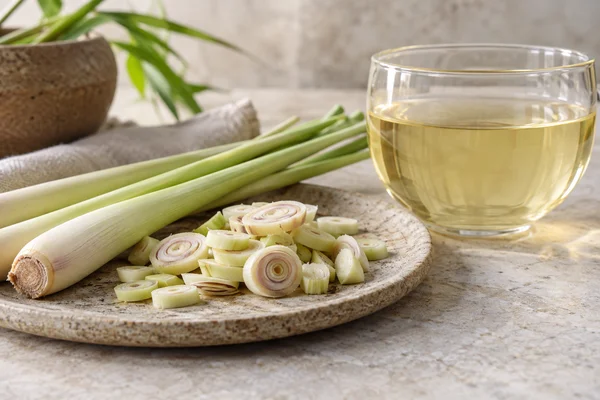
Lemongrass brings a clean citrus aroma from fibrous grass material, with little resemblance to the sourness of lemon juice.
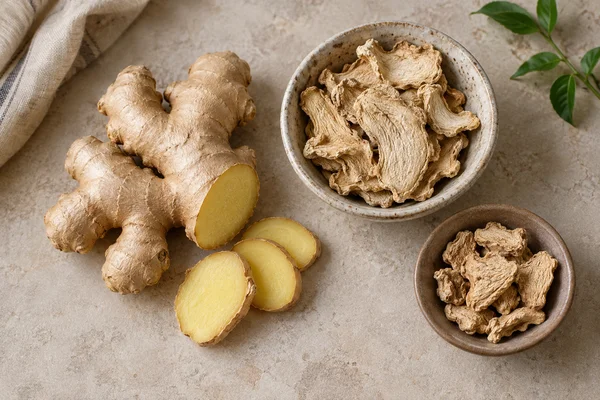
Fresh slices and dried ginger share an ingredient, but their texture, concentration and aromatic balance are not identical.
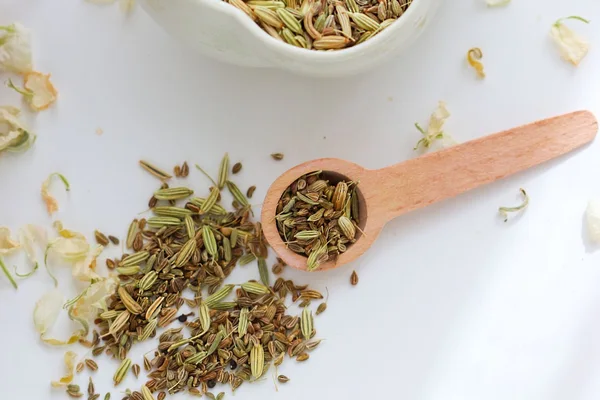
Fennel's small ridged fruits give an anise-like sweetness with a rounded herbal background.
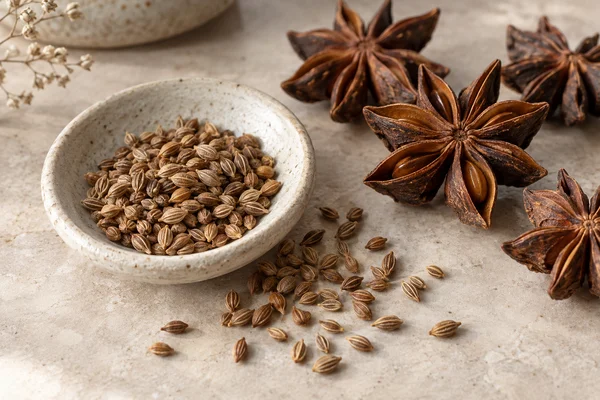
Anise and star anise share a sweet aromatic resemblance, but they come from different plants and have different forms.
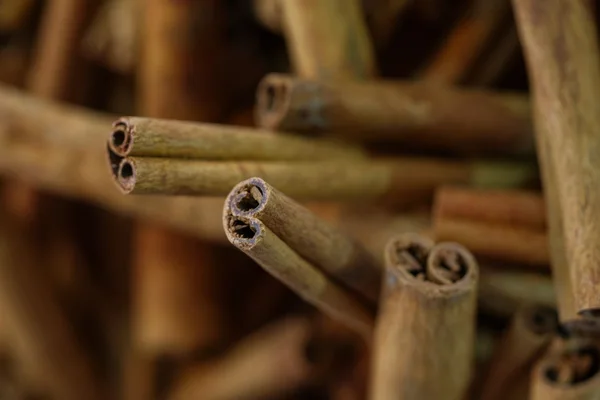
Cinnamon contributes bark, warmth and a sweet-smelling aroma; it does not need to make an infusion sugary.
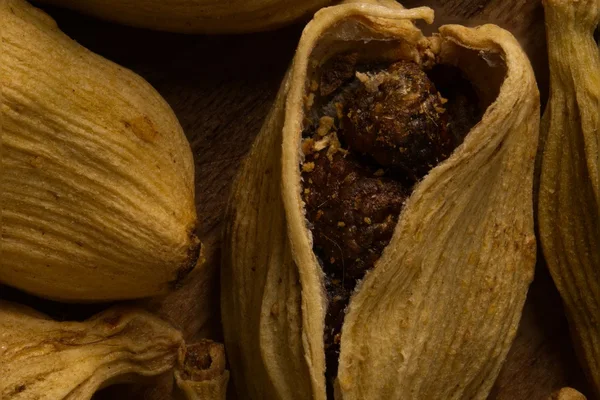
The small dark seeds inside green cardamom pods hold the spice's lively, sweet and citrus-like character.
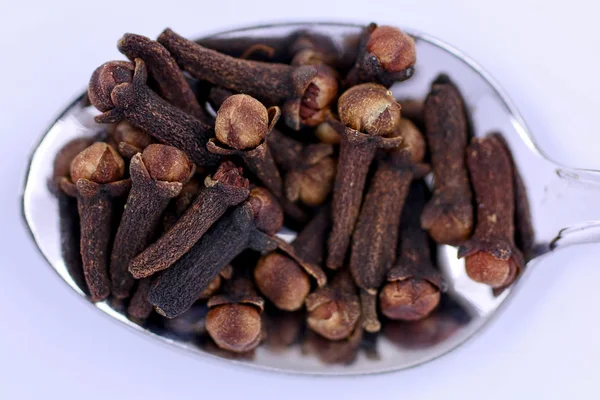
Cloves are dried flower buds whose forceful fragrance can dominate a spice infusion long before they dominate its volume.
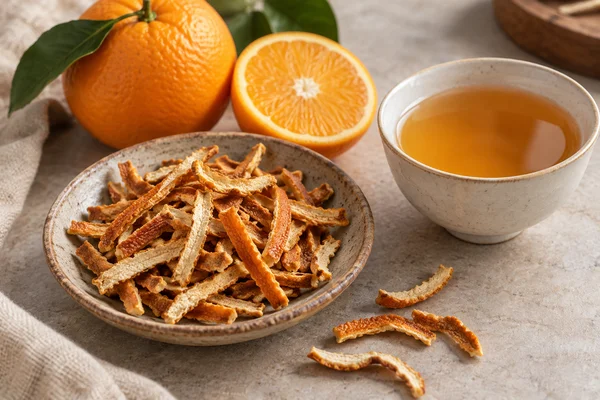
Orange peel offers a citrus fragrance and a possible bitter edge, a different contribution from orange juice or blossom.
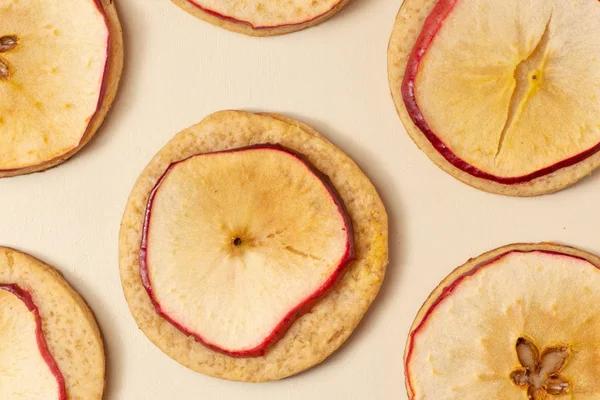
Dried apple often supplies the quiet middle of a fruit infusion, even when a more colourful ingredient leads the label.
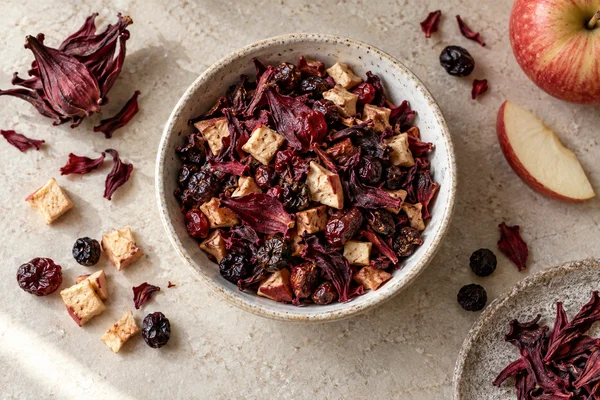
A berry name describes the intended flavour, while the ingredient list reveals which fruits and botanicals build it.
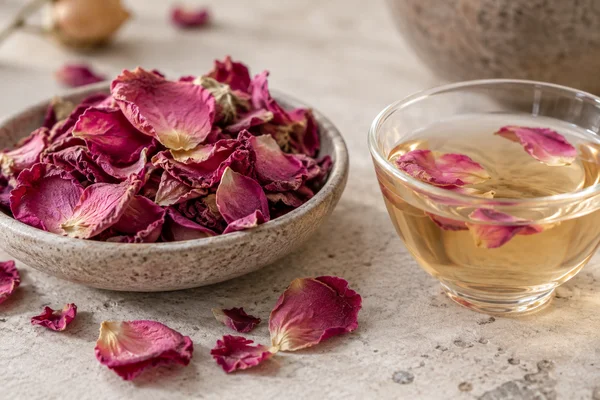
Rose petals can add a clear floral note, but their colour and visual abundance do not predict the strength of the cup.
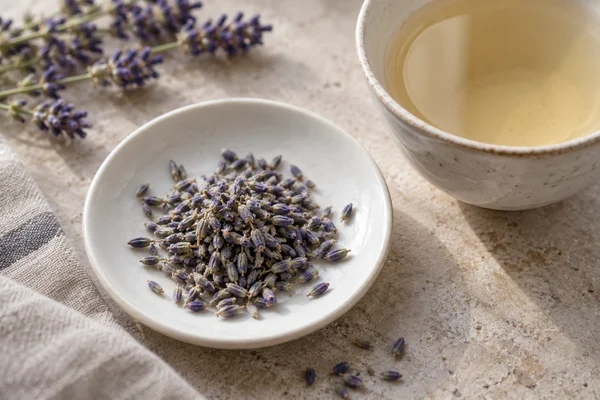
Lavender's small flowers can leave a large aromatic impression, so balance matters more than a generous-looking handful.
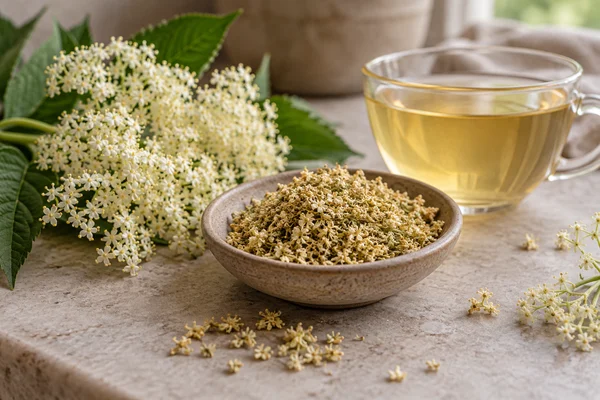
Dried elderflower gives a gentle floral cup whose character is different from the sweetness of elderflower cordial.
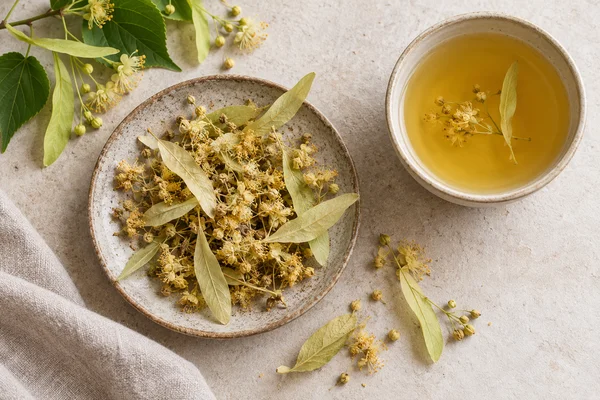
The pale leaf-like pieces in linden blossom are often bracts belonging to the flower cluster, not stray tea leaves.
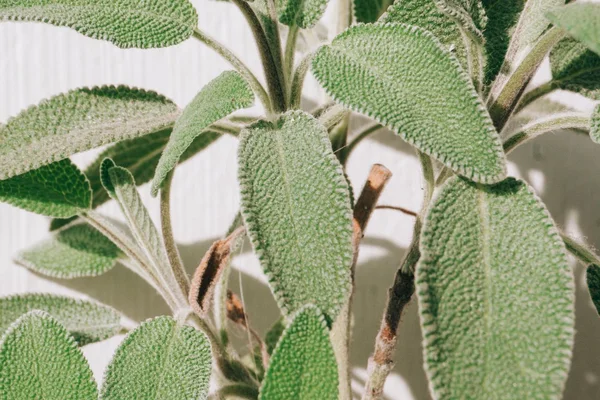
Sage gives an infusion a distinctly savoury herbal character, far from the fruit-and-flower expectation of many herbal teas.
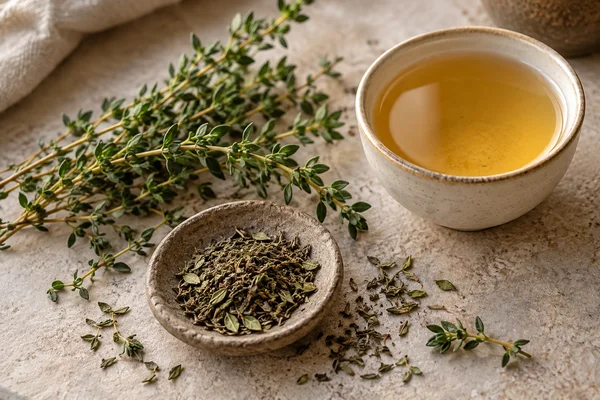
Thyme's tiny leaves bring a firm culinary-herb aroma, with a dry edge that differs from mint or soft flowers.
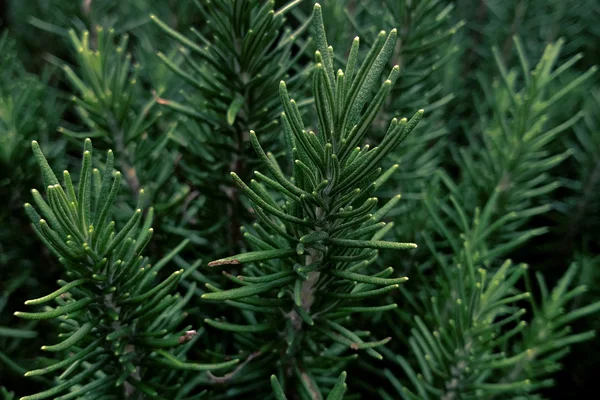
Rosemary's needle-like leaves carry a resinous, savoury fragrance that gives herbal blends a very different direction from citrus or flowers.
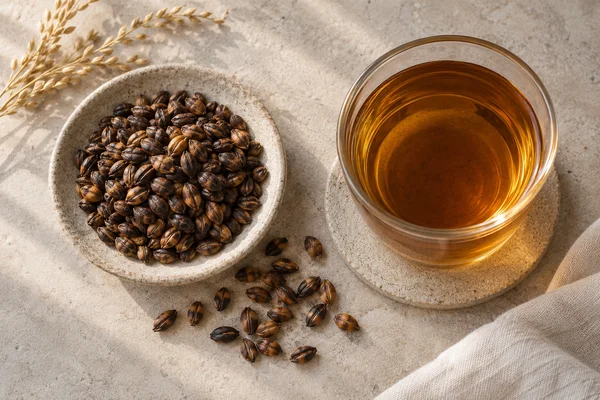
Mugicha is made from roasted barley, giving a cereal-like aroma without the tea leaf found in hojicha or genmaicha.
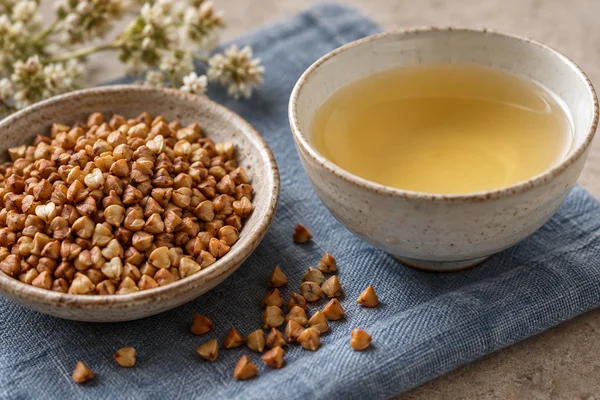
Sobacha's toasted aroma comes from buckwheat, a seed used like grain rather than a form of wheat or tea leaf.
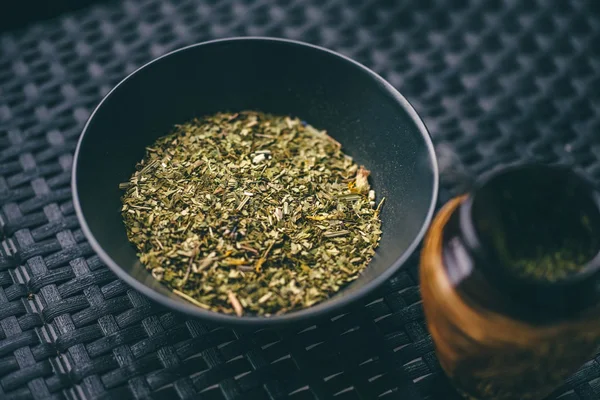
Yerba mate comes from a different plant than tea, yet it naturally contains caffeine and should not be grouped with caffeine-free herbs.