Things for tea
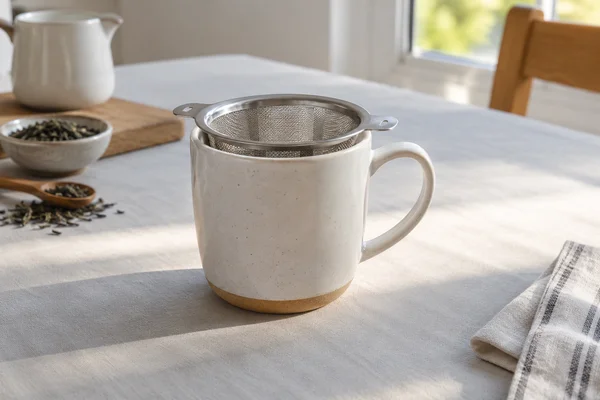
Choose a basket that fits your mug
Look at the basket's depth, width and support points together. A filter should fit the mug and leave your usual leaf portion room to open.
Useful pots, cups and everyday tools, with room for simple choices.
Look at the basket's depth, width and support points together. A filter should fit the mug and leave your usual leaf portion room to open.
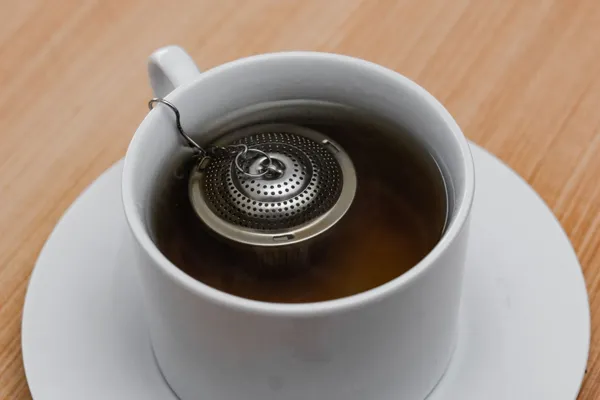
A tea ball can be convenient for a small portion, but its compact shape leaves limited expansion room. Check the wet leaves before blaming the recipe.
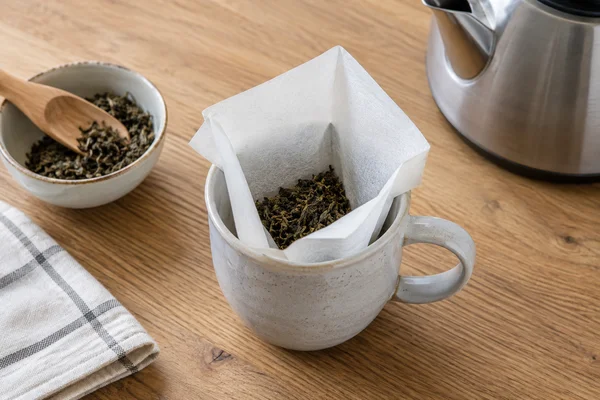
A paper filter should hold the leaves without becoming a tightly packed sachet. Choose its size and support for the mug or pot you use.
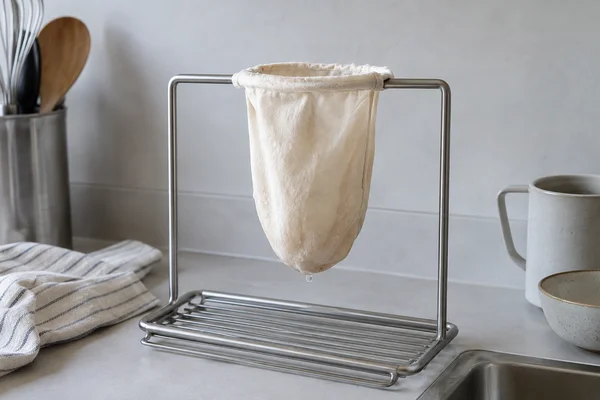
A reusable cloth filter needs more than a quick squeeze after brewing. Remove the leaves, clean it as directed and let it dry completely.
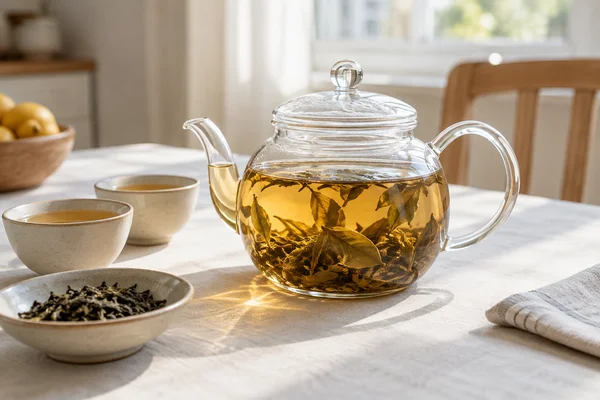
A transparent pot makes leaf movement and tea colour easy to see. Its practical value still depends on heat suitability, a comfortable pour and straightforward cleaning.
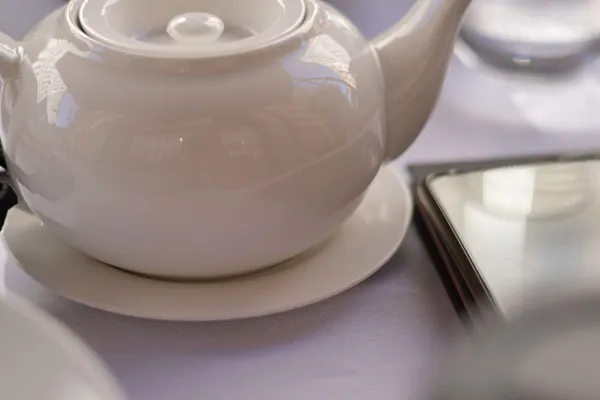
A plain glazed porcelain pot offers an uncomplicated reference for different teas. Check its usable size, filter and pouring behaviour before focusing on decoration.
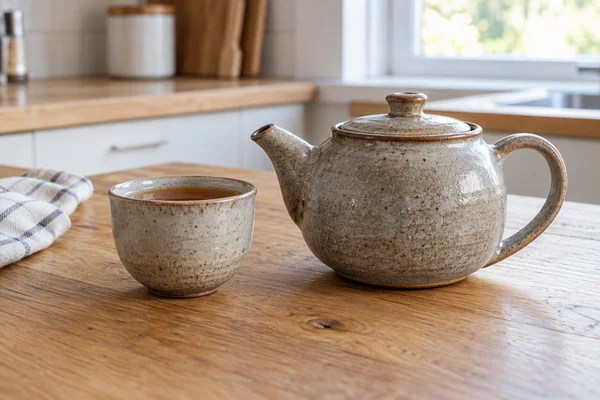
A pot that feels reassuring when empty may be tiring to pour when full. Judge weight, handle shape and useful capacity together.
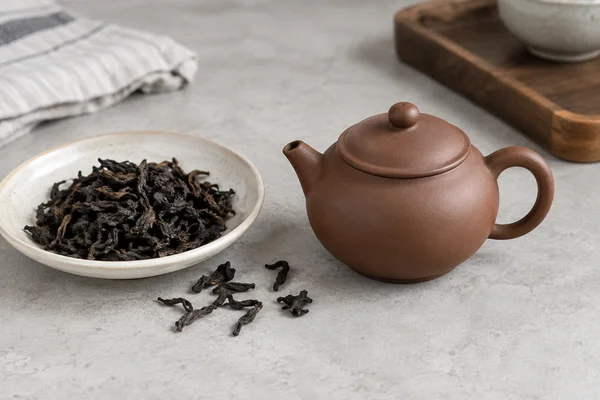
An unglazed pot asks for a little more thought about tea choice and care. First establish what the inside is actually made to do.
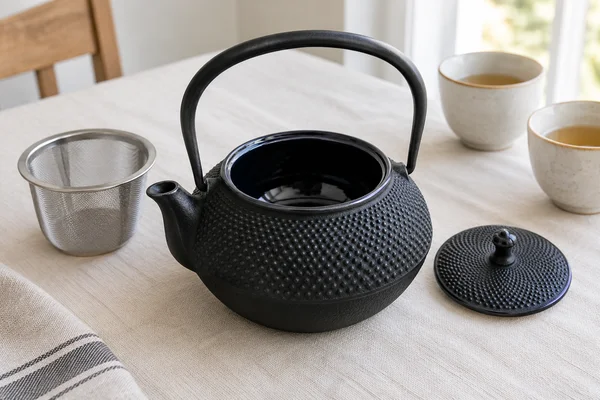
An iron body can hide a delicate enamel lining. Identify whether the vessel brews tea or heats water before putting it near a stove.
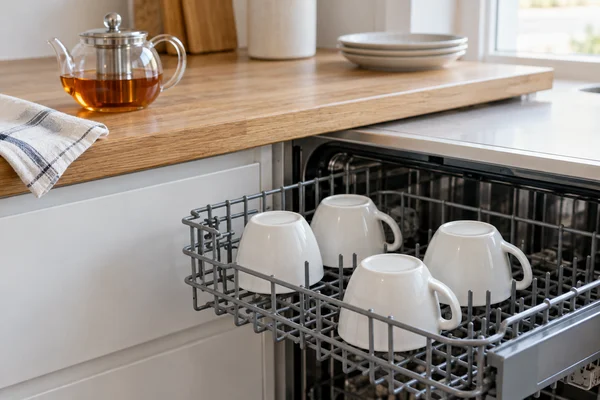
The pot, lid and filter may have different washing instructions. Check the individual parts before treating them as one dishwasher-safe set.
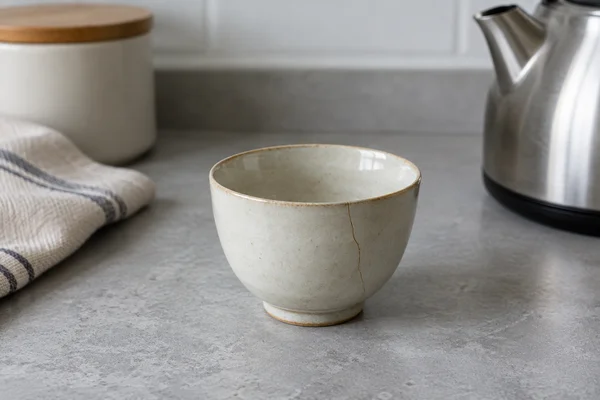
A spreading line, chipped rim or loose handle changes how a cup should be used. Keep damaged drinkware out of the next tea round.
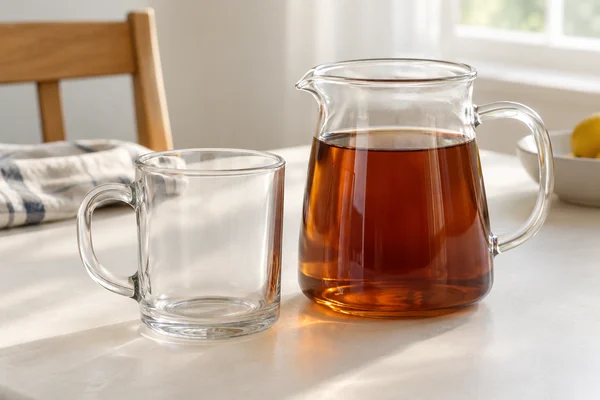
Transparency says nothing about heat suitability. Use glass identified for hot drinks and respect the limits of the complete vessel.
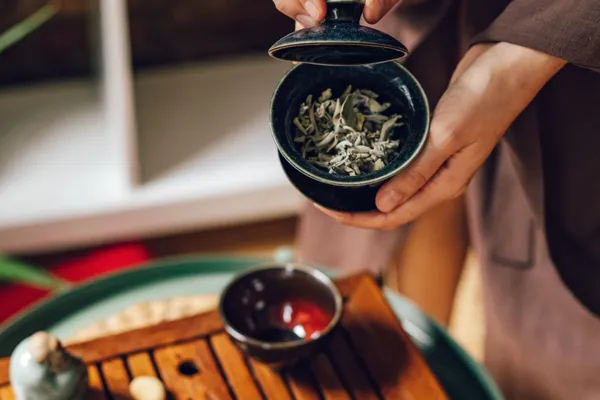
A gaiwan becomes easier to understand with cool water and an unhurried practice pour. Comfort matters more than copying a graceful photograph.
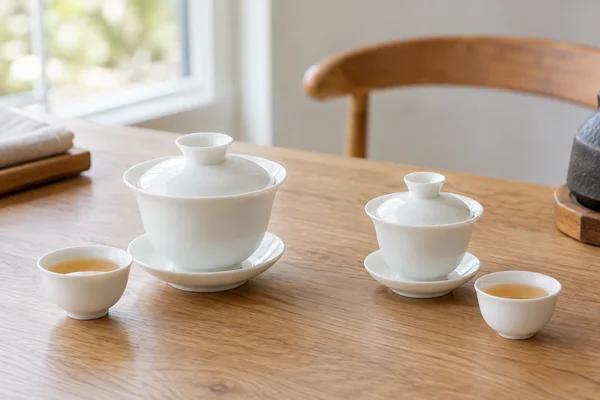
Capacity, rim width and the number of cups all matter when choosing a gaiwan. Bigger is not automatically more useful.
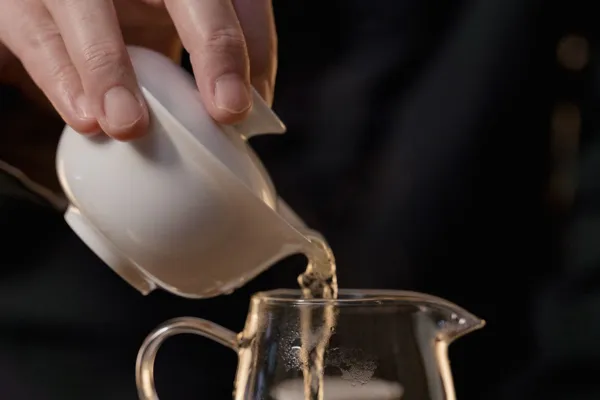
A small pitcher receives the complete infusion before it is divided between cups. That pause simplifies serving and separates brewing from drinking.
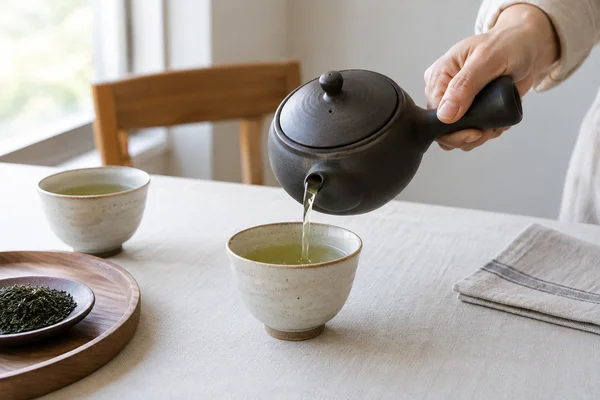
A side handle changes the movement of pouring. Learn the balance, lid support and final drain with water before brewing your tea.
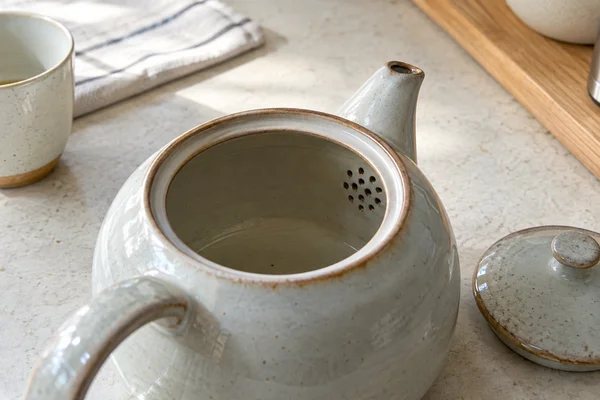
An integrated filter saves a loose part but still traps leaves. Clean the outlet deliberately so yesterday's fragments do not interrupt today's pour.
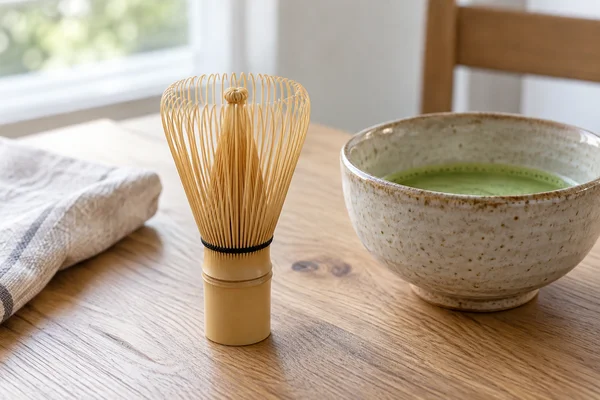
A bamboo whisk works best when its fine tines are treated gently and allowed to dry. Build care into the few moments before and after making matcha.
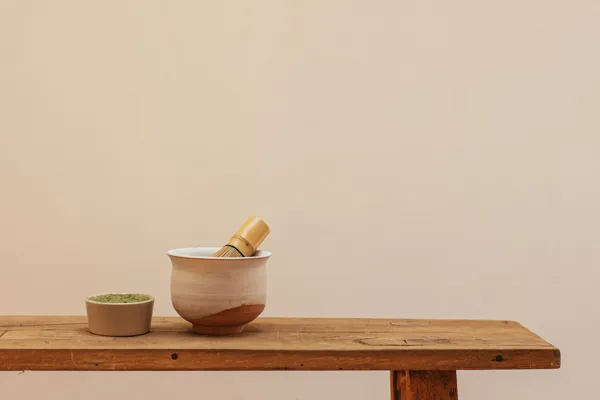
A matcha bowl needs space for movement as well as room for liquid. Judge its interior with the whisk you actually use.
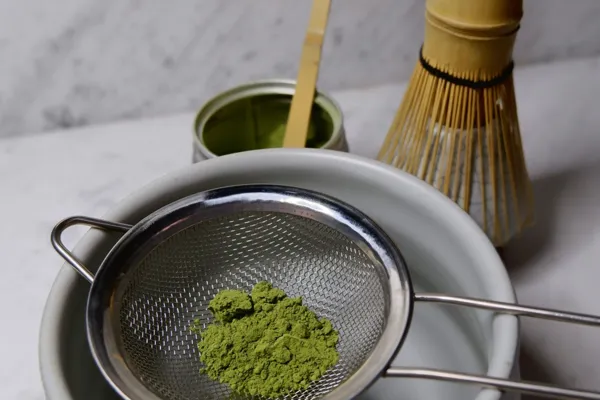
Sifting breaks up dry matcha clumps before water is added. A small, dry sieve makes the task easier to control than vigorous whisking later.
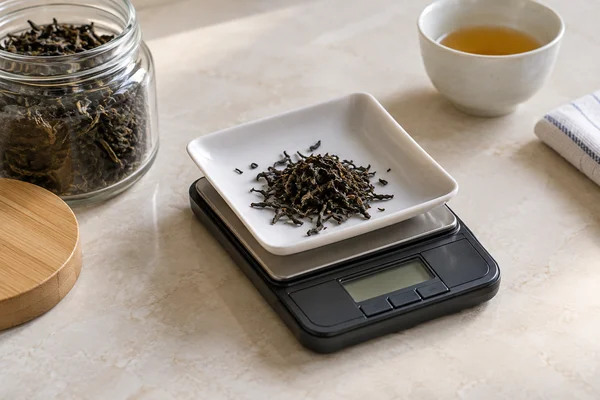
A decimal on the display is useful only if the scale can reliably measure the small quantity you are putting on it.
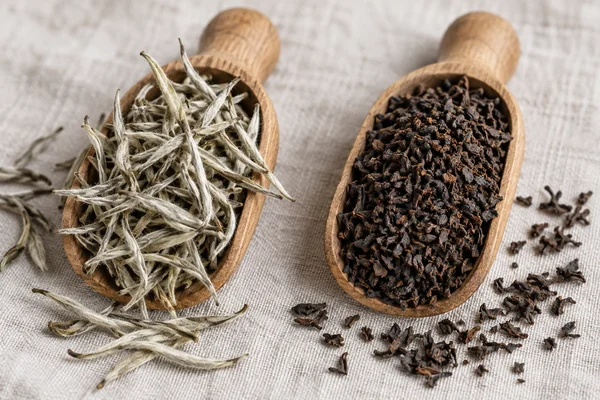
Two scoops that look equally full can hold very different amounts of leaf. Learn your scoop with the tea you actually drink.
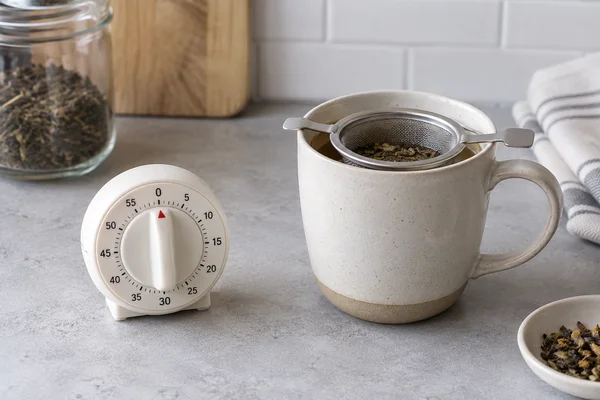
The best tea timer is the one that fits the room, your hearing and the way you make a cup.
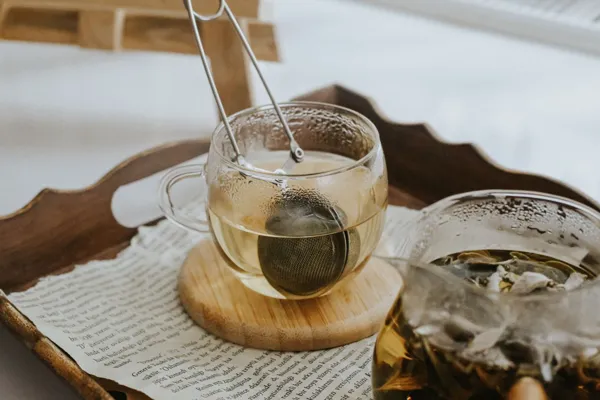
A tray earns its space by making pouring, resting a wet filter and clearing the table easier.
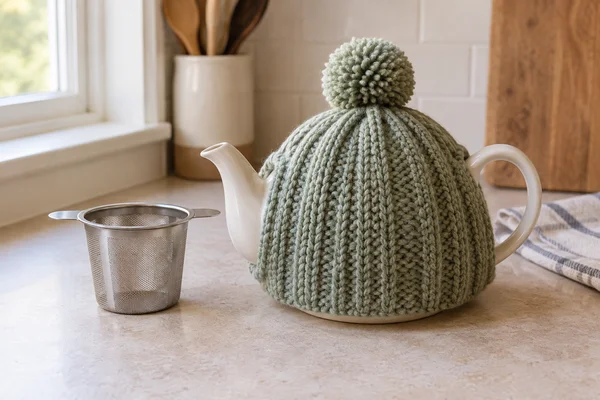
A fabric cover slows heat loss, but it does not stop the tea leaves from steeping. Separate those two jobs.
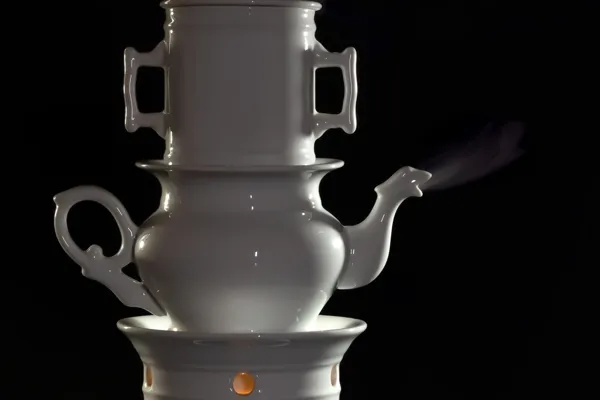
Before lighting a tealight, check the pot, the support and everything around them. A cosy-looking setup still contains an open flame.
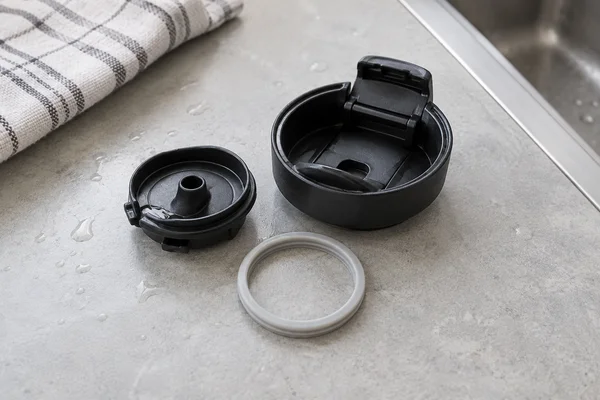
A clean-looking lid can hide yesterday's tea beneath a seal. Learn which pieces are meant to come apart.
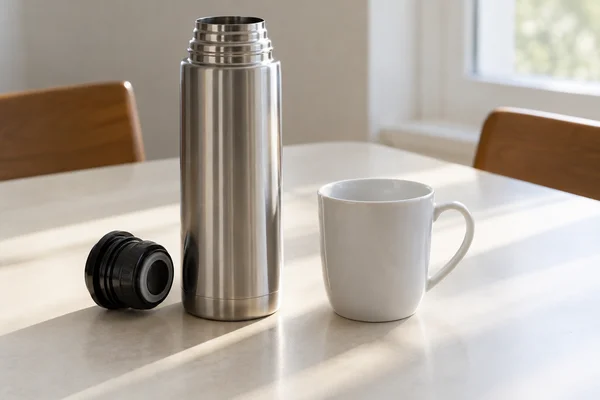
Before blaming the steel body, check the stopper and seals. They may be carrying the flavour into your next tea.
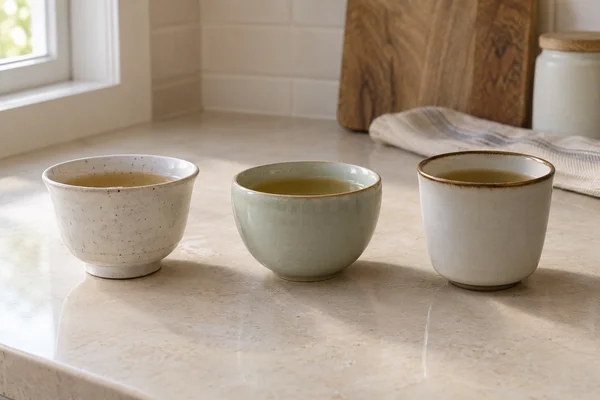
The part of a cup you notice most may be the few millimetres at its edge. One trial cup is more informative than a matching set in a photograph.
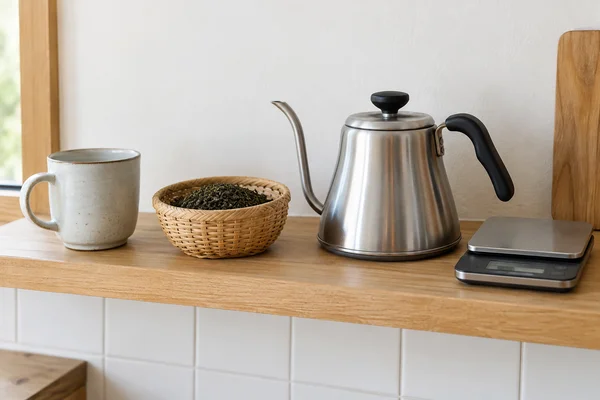
Start with the jobs that need doing: heat water, contain the leaves, separate them and drink. Add equipment only where something is missing.
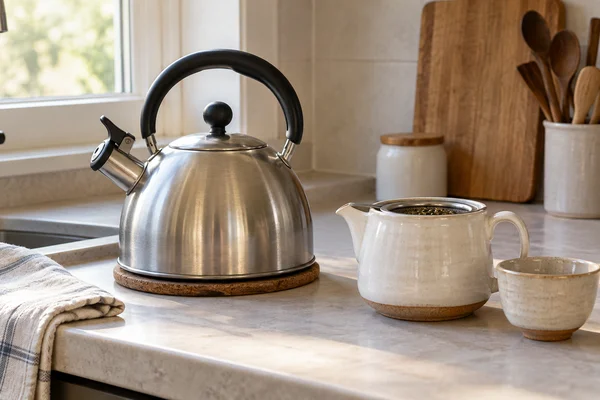
One heats the water; the other holds the infusion. Confusing those jobs can damage equipment that looks perfectly sturdy.
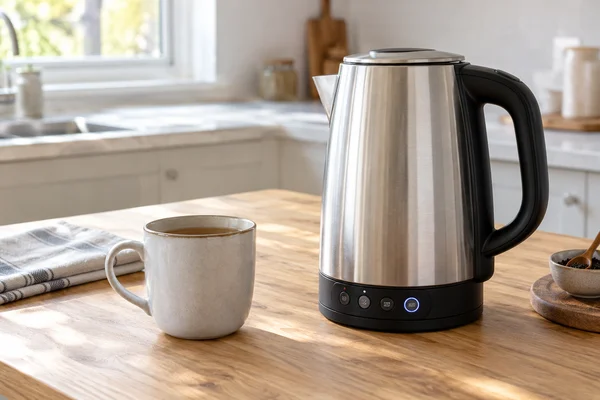
Temperature settings are useful when they fit your tea and your routine. They do not remove the need to understand what happens after pouring.
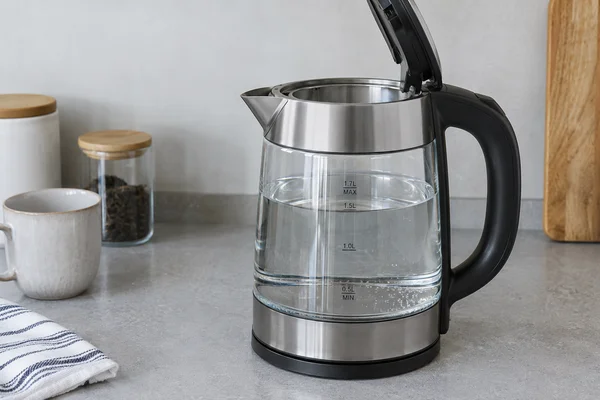
A small cup does not cancel the kettle's minimum-fill mark. Match the appliance to the amount you regularly need.
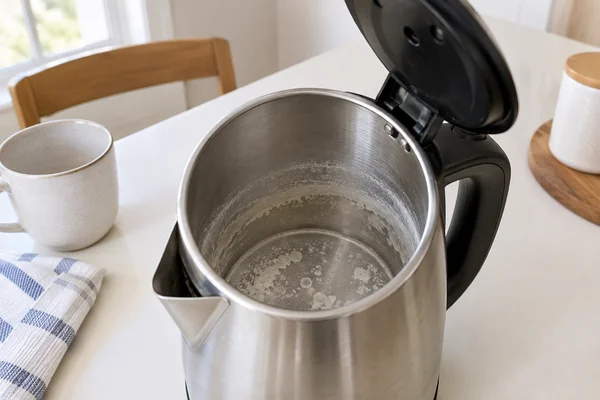
Treat mineral deposits with the method approved for your kettle, then give the rinsing stage as much attention as the cleaning.
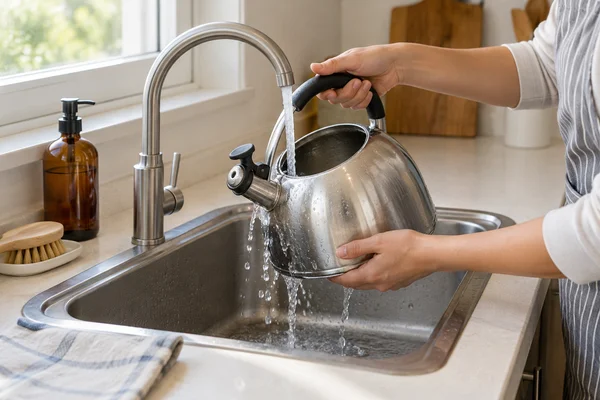
A kettle can look clean while still needing the final fresh-water steps. Keep the cleaning and drinking stages clearly separate.
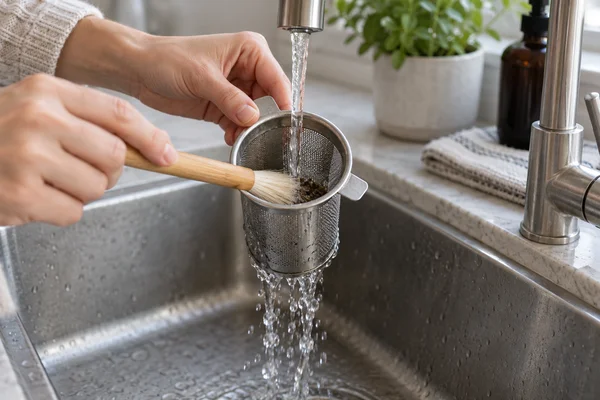
A basket is easier to keep clean when wet leaves come out promptly and the mesh has room to dry.
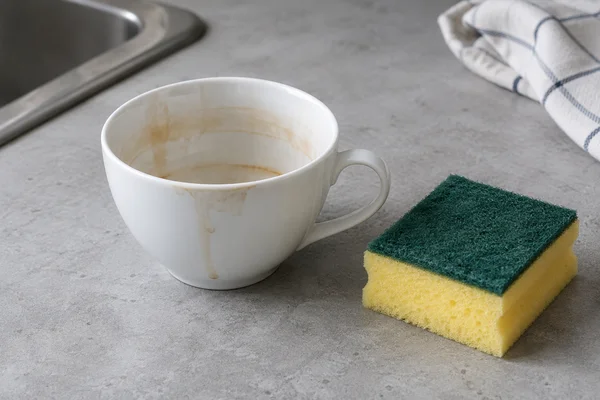
A brown line inside a cup calls for ordinary care first. The right method depends on the cup's surface, not just the colour of the stain.
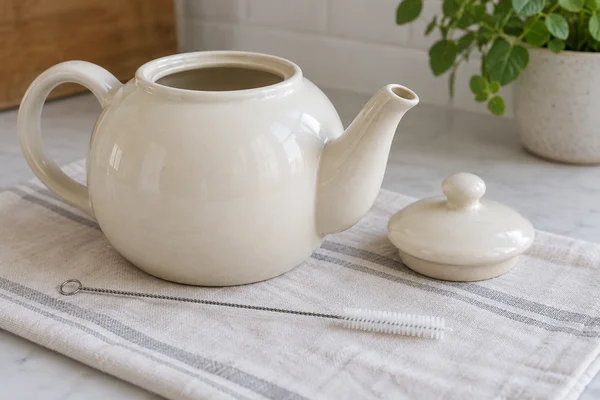
The pot can look spotless while a narrow spout still holds leaf fragments. Clean the route the tea takes on its way out.
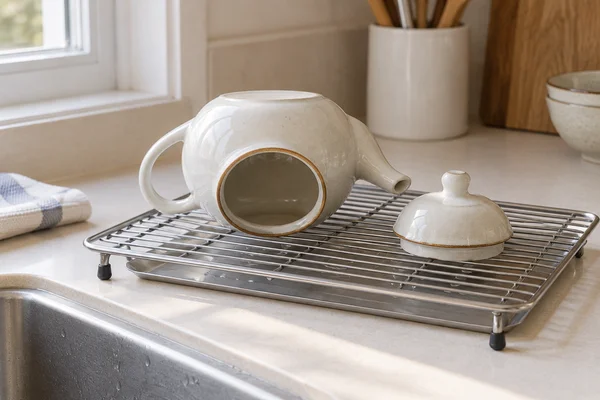
Putting the lid back on is tidy, but it can close moisture inside. Give a washed pot time and space to dry.