A better brew
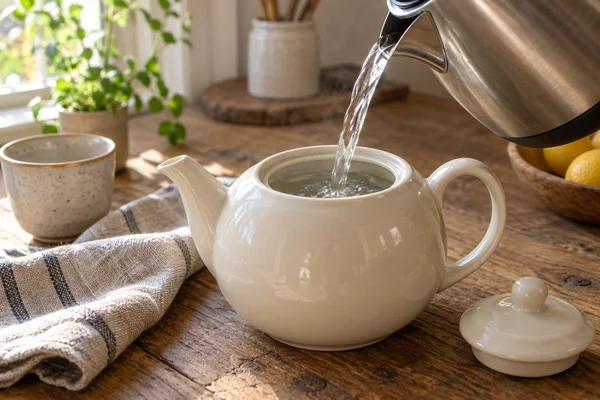
Does your teapot need warming?
A cold pot takes some of the heat intended for the leaves. A brief warm-up can make a familiar recipe more repeatable, especially with a heavy pot.
Find something for your next cup
235 articles
No articles match. Try a shorter phrase or another subject.
A cold pot takes some of the heat intended for the leaves. A brief warm-up can make a familiar recipe more repeatable, especially with a heavy pot.
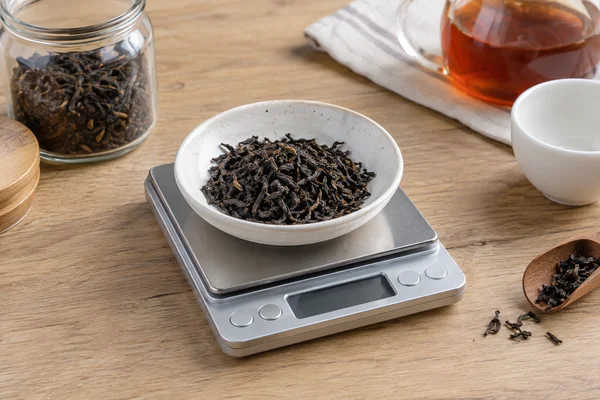
A scale removes the guesswork caused by different leaf shapes. It is most useful when you want to repeat a cup you already enjoy.
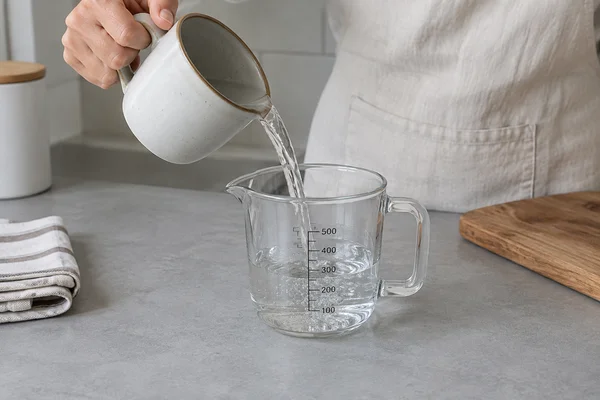
Recipes written for a cup become clearer when you know your own mug's working volume, with room left for leaves and comfortable handling.
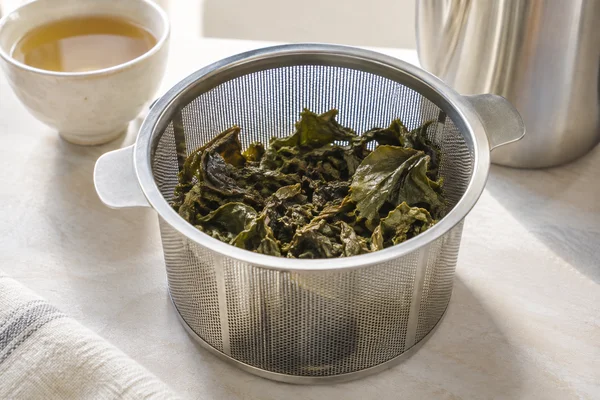
Compact leaves can occupy a surprising amount of room once wet. Check the space in the infuser, not just whether the dry portion fits.
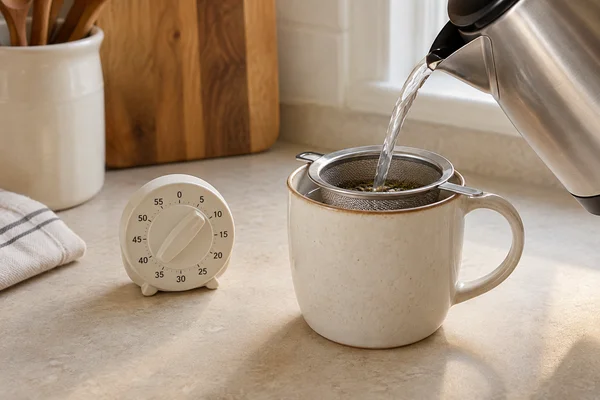
Choose a clear starting point for the timer and use it consistently. With very short infusions, the time spent filling and pouring matters too.
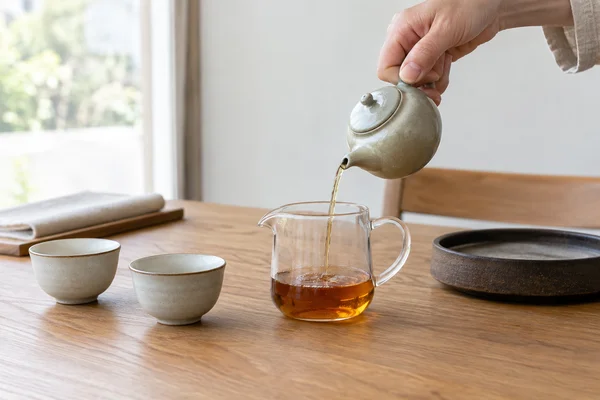
Leaves keep brewing while tea leaves the pot. A slow or blocked spout can change a short infusion more than you expect.
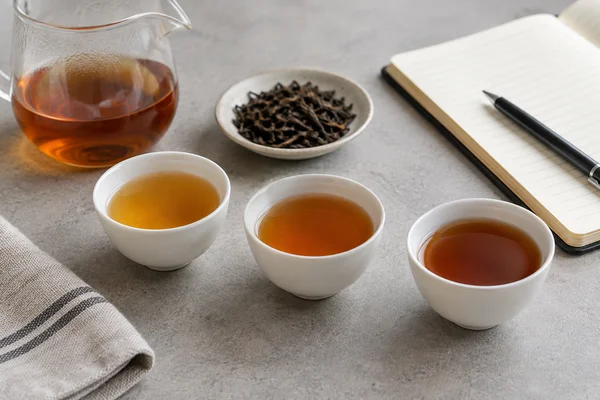
A useful brewing experiment has one clear question. Keep the other settings steady so you can tell what the change actually did.
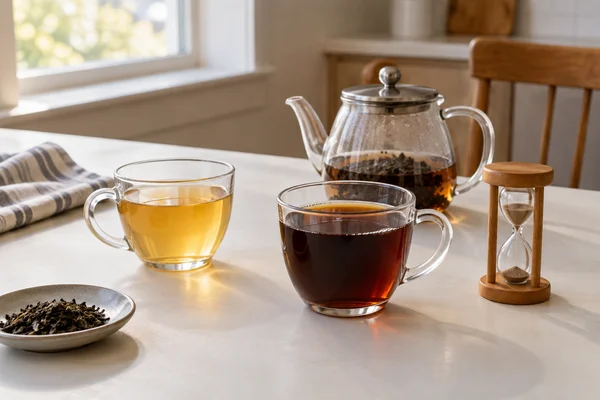
Before blaming the tea, separate an unwanted bitter taste from a drying mouthfeel and check the way the cup was brewed.
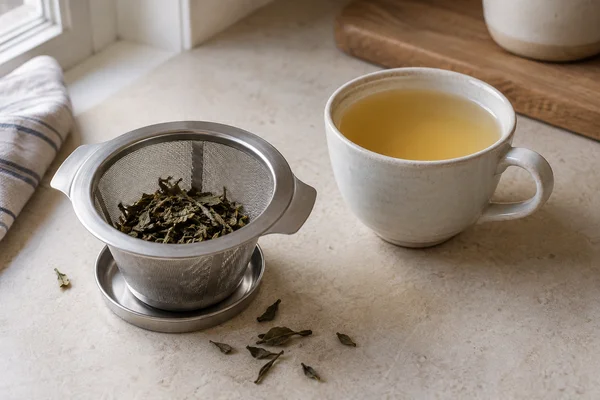
A pale colour does not automatically mean weak tea. Check flavour, water volume and leaf contact before extending the steep.
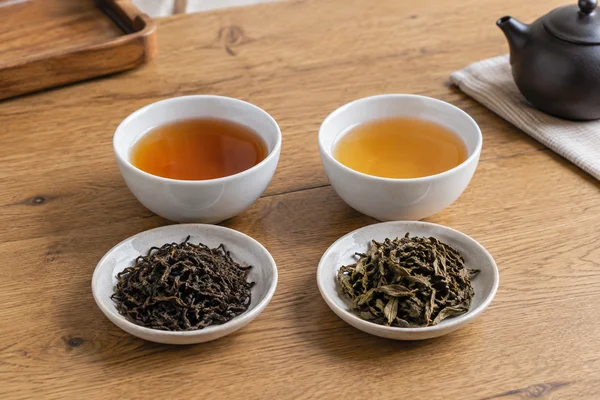
A drying sensation is part of tea's texture, not simply another word for bitterness. Notice when it appears before changing the recipe.
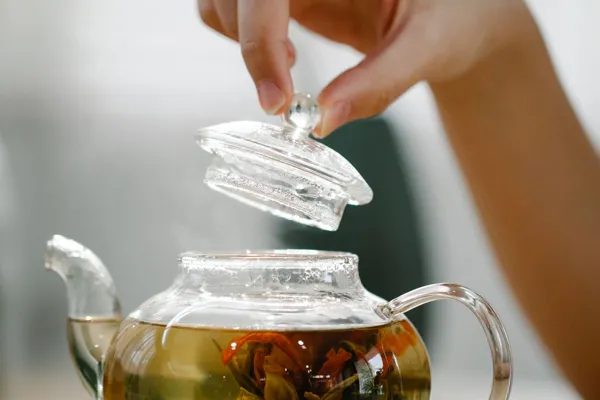
A lid changes how readily heat leaves the vessel. Compare covered and uncovered brewing without treating either method as a rule for every tea.
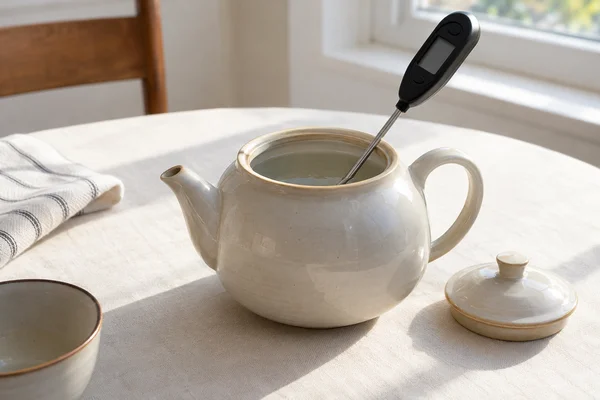
The number on a kettle describes water in the kettle. The pot, pouring distance and waiting time all influence what reaches the leaves.
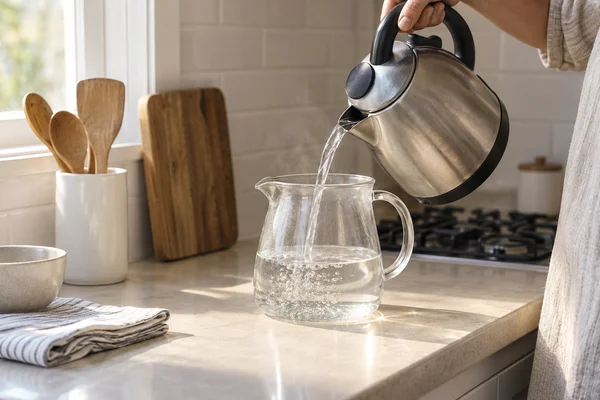
There is no waiting time that cools every kettle to the same temperature. Make the cooling routine repeatable, and measure when precision matters.
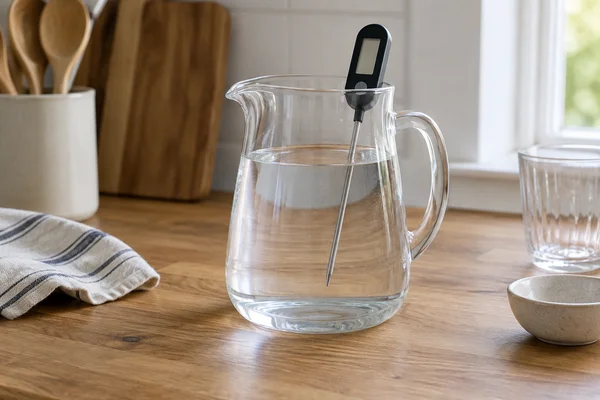
A probe touching the pot wall can tell you about the wall rather than the water. Position and timing make a temperature reading useful.
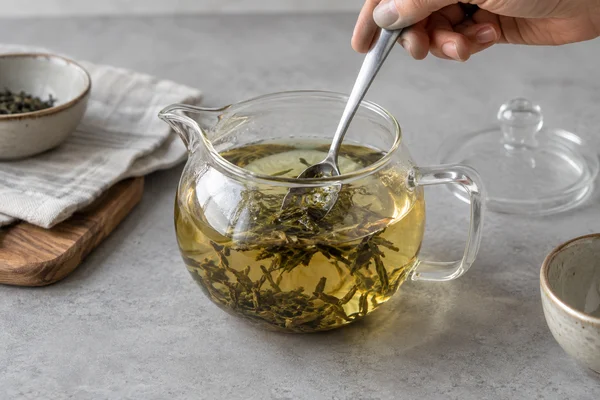
Stirring changes how water moves around the leaves. A gentle, repeatable action is easier to assess than constant agitation.
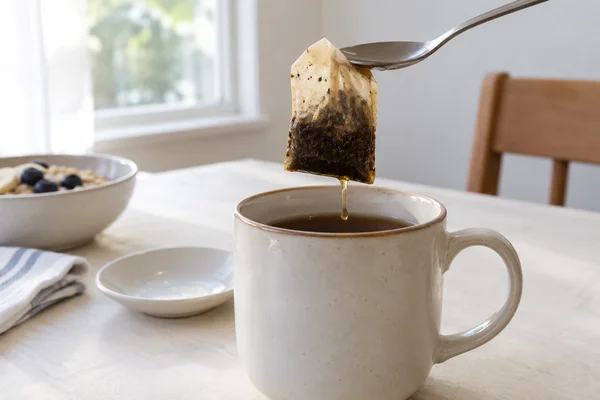
Pressing a tea bag releases the liquid it holds. Whether you prefer the result is a tasting question, but forceful squeezing makes consistency harder.
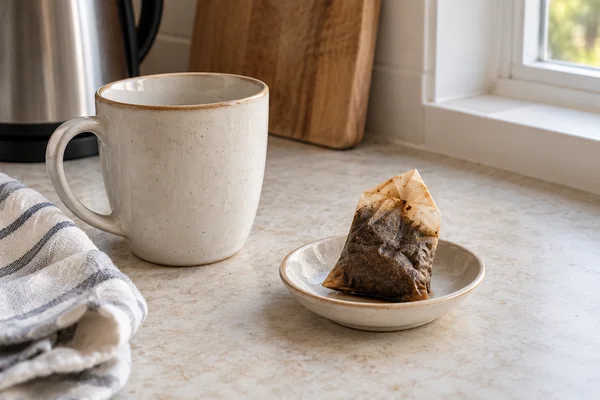
A small dish beside the mug makes it easy to finish the infusion on time and keeps a wet bag away from books, desks and fingers.
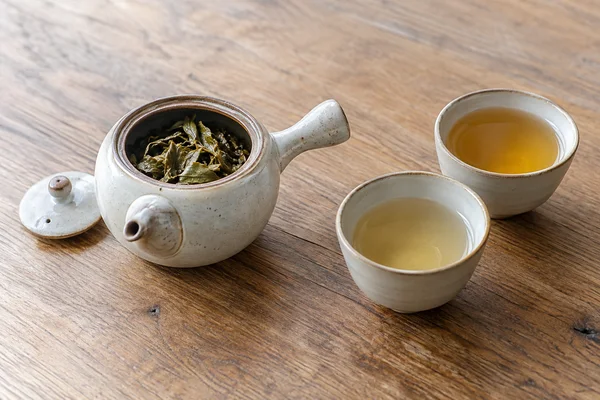
The second brew starts with wet, opened leaves. Its timing may need to change, and its flavour does not have to copy the first cup.
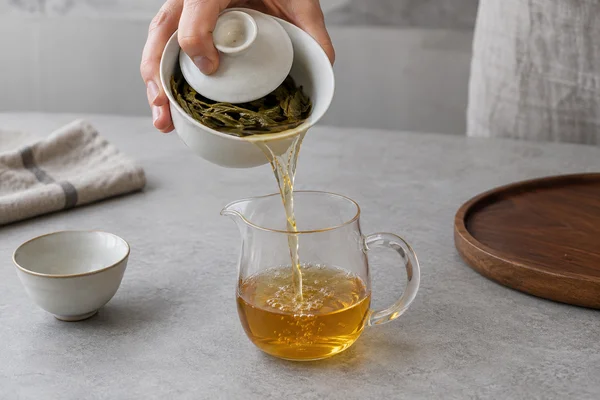
Leaving a little tea around the leaves changes the next round. A complete, controlled pour gives short infusions a clearer stopping point.
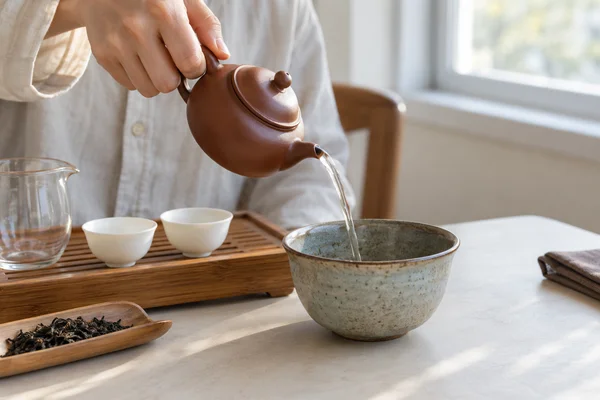
A brief rinse appears in some brewing traditions, but it cannot certify tea as clean, safe or caffeine-free.
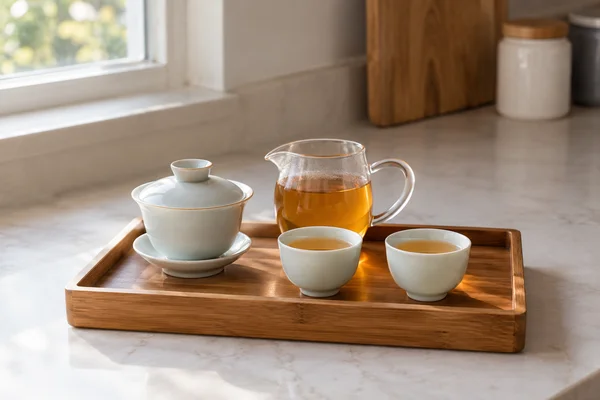
Short infusions are easier to learn with a small vessel, a manageable amount of tea and somewhere to pour the whole brew.
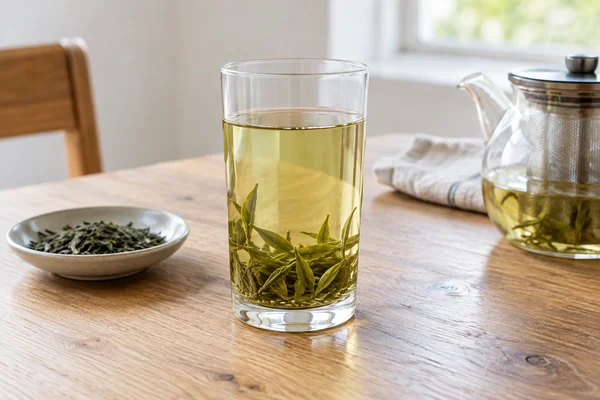
Loose leaves can brew directly in a suitable glass. This informal method needs a modest portion and a comfortable way to drink around the leaves.
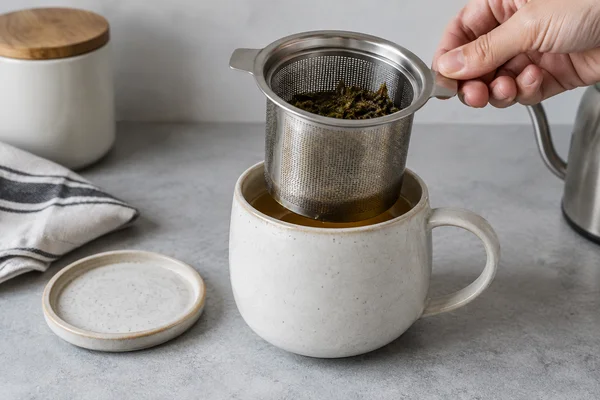
A mug with a roomy removable basket offers a straightforward way to brew loose tea and stop it at the strength you prefer.
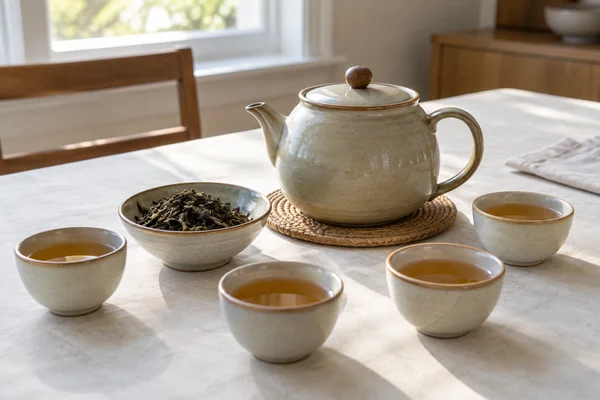
Scale the leaves to the water first, then check how the larger pot changes filling, heat retention and pouring.
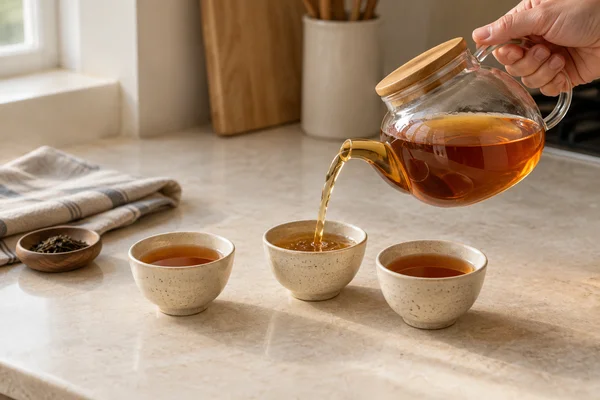
The first and last tea leaving a pot may differ. Mixing the finished infusion in a serving pitcher makes sharing it more straightforward.
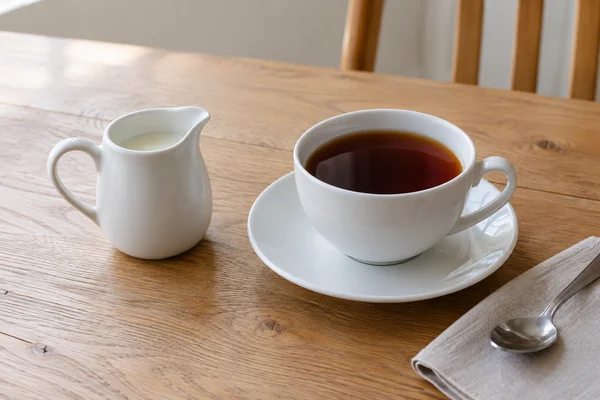
Let the tea finish brewing before milk enters a mug with leaves or a bag. Then adjust the milk to the cup rather than hiding an uncertain brew.

A little lemon can brighten a cup and change its colour. Taste the brewed tea first, then add citrus gradually.
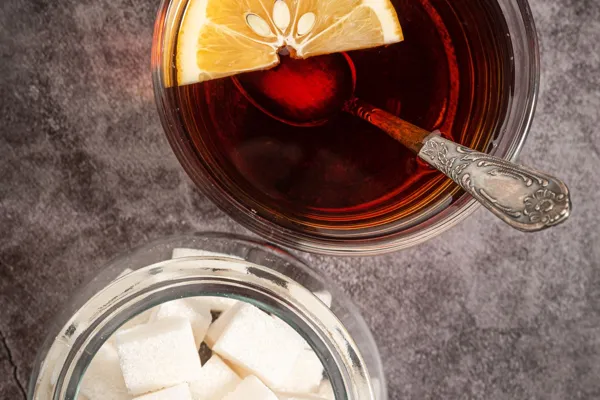
Try sweetener in a small portion before changing an entire pot. The right amount depends on both the tea and the sweetener's own flavour.
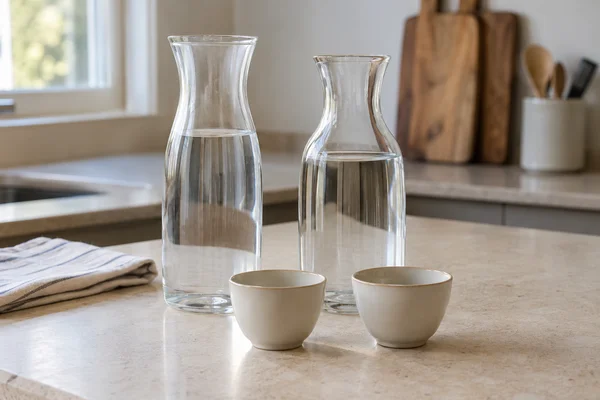
Water is worth comparing when a familiar tea tastes flat or different in another kitchen. Use a small controlled trial before buying equipment.
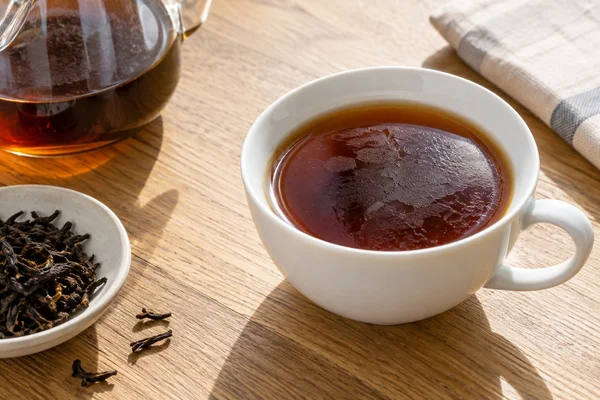
A fine film can form where tea meets air, influenced by compounds in the leaves and minerals in the water. Check the context before blaming dirty cups.
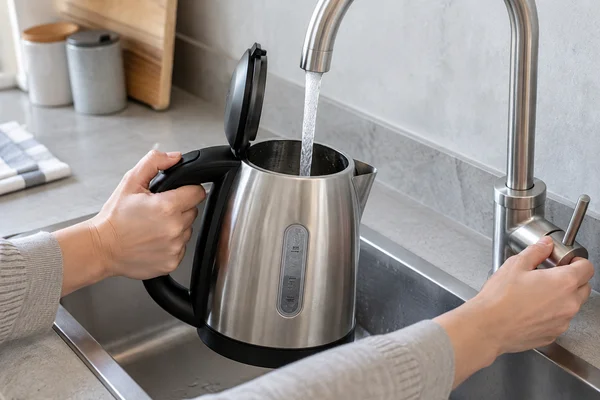
Fill for the amount of tea you need while respecting the kettle's minimum and maximum levels. A simple water routine is easier to repeat.
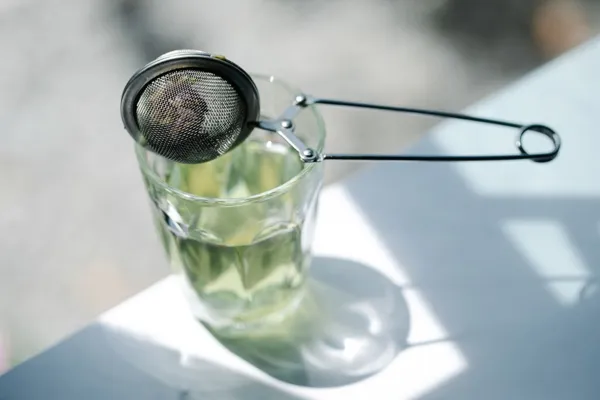
An infusion stops changing through leaf contact only when liquid and leaves are separated. Use a removable filter or a second vessel to make that endpoint clear.
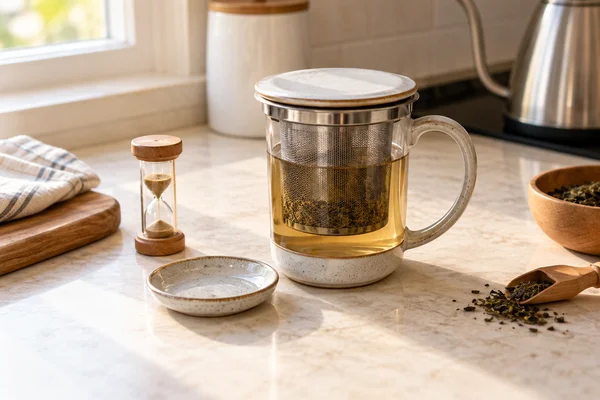
The most useful desk setup is one that lets you remove the leaves without abandoning your work or risking a spill near electronics.
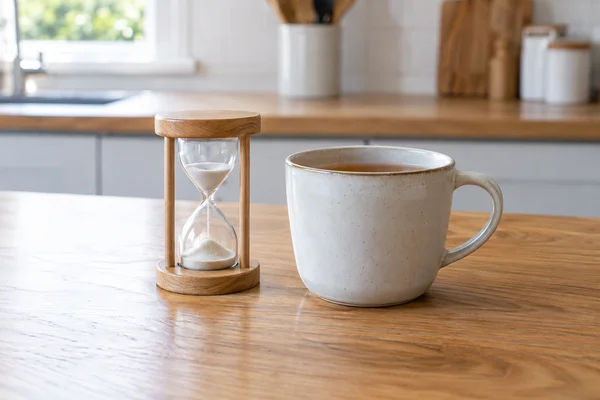
Put the tea on its own small schedule while dinner is underway. A clear counter space and an audible timer help prevent a forgotten infusion.
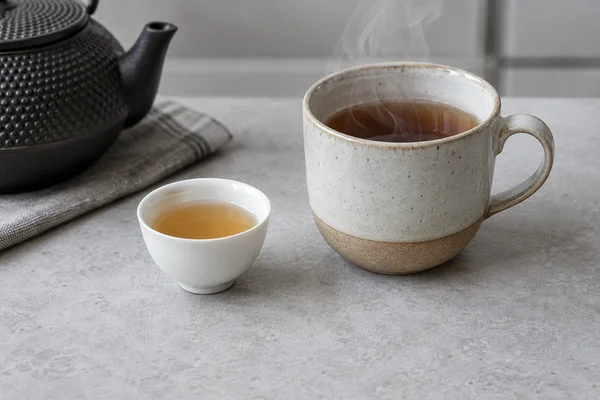
The first sip should be comfortable enough to judge. A small tasting portion can cool without leaving the whole brew on the leaves.
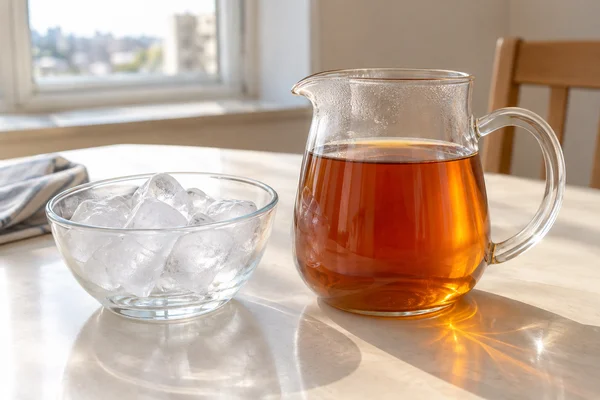
Prepare the tea properly with hot water, remove the leaves, then cool it promptly. Plan the ice and final volume before you begin.

Melting ice is an ingredient, not just a way to chill the glass. Include it when judging how strong an iced tea should begin.
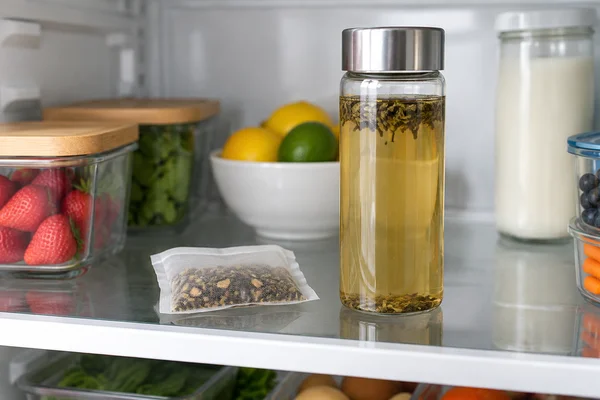
Choose a product explicitly intended for cold infusion and follow its instructions. Refrigeration alone does not replace the preparation required for ordinary tea products.
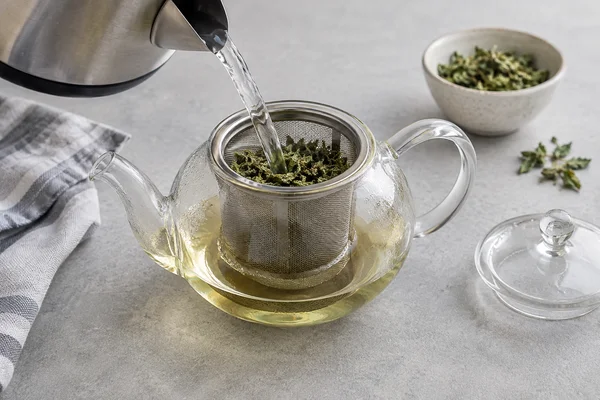
For ordinary herbal and fruit infusions, boiling water and the full specified steep are part of proper preparation, not just a preference for a stronger flavour.
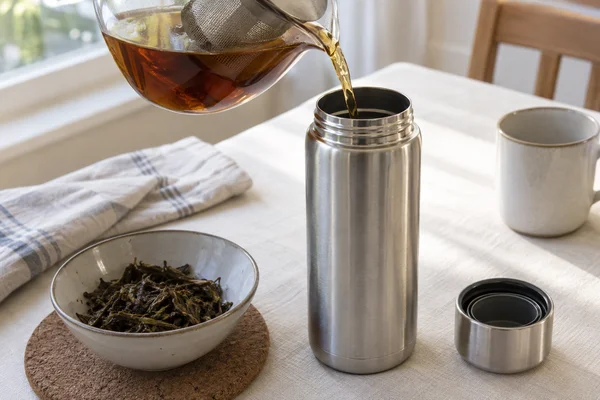
A flask is good at holding heat, which makes forgotten leaves especially influential. Fill it with finished, strained tea for a more predictable drink.
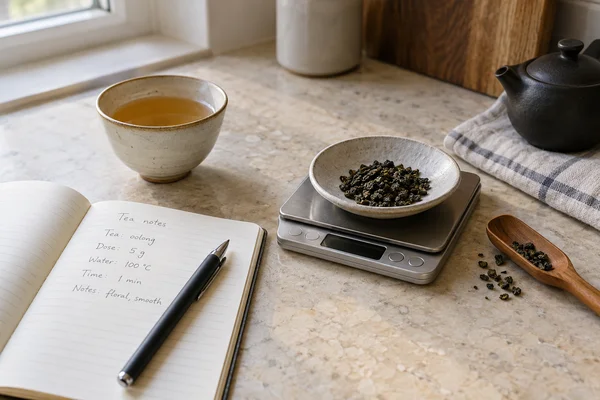
A useful tea note records what you did and what you would change. It can fit on a few lines without becoming a tasting diary.
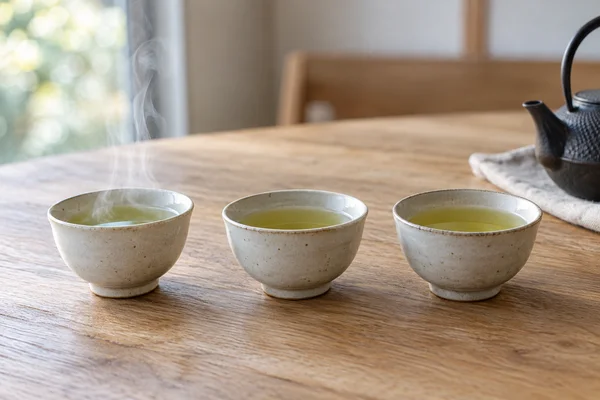
One tea can seem different across a single cup. Tasting it again as it cools helps separate brewing choices from the temperature of the sip.
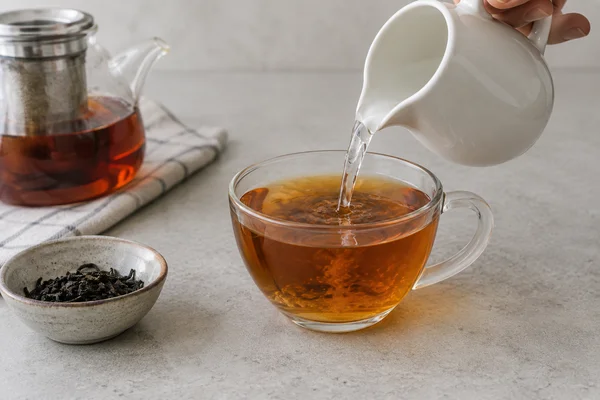
A little suitable water can make a concentrated cup easier to drink. Try it in a small portion and keep the next brewing adjustment separate.
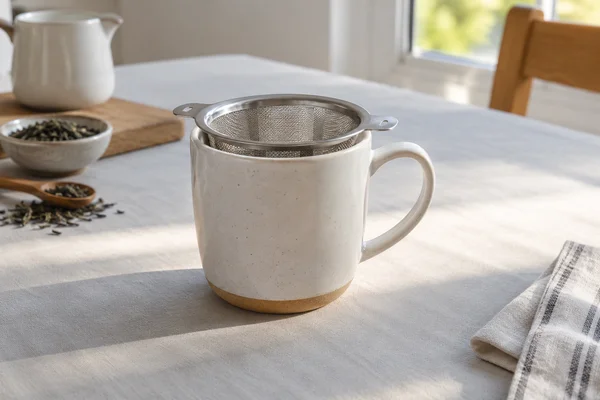
Look at the basket's depth, width and support points together. A filter should fit the mug and leave your usual leaf portion room to open.
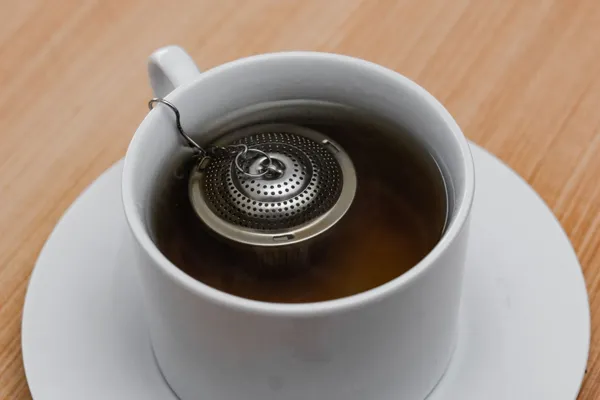
A tea ball can be convenient for a small portion, but its compact shape leaves limited expansion room. Check the wet leaves before blaming the recipe.
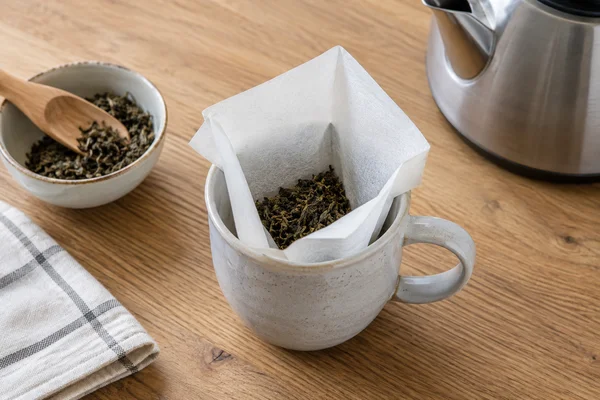
A paper filter should hold the leaves without becoming a tightly packed sachet. Choose its size and support for the mug or pot you use.
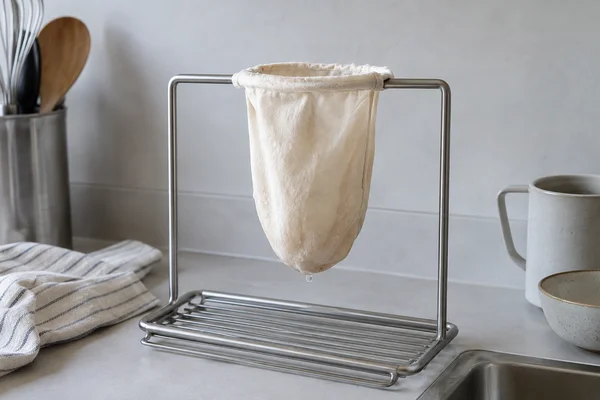
A reusable cloth filter needs more than a quick squeeze after brewing. Remove the leaves, clean it as directed and let it dry completely.
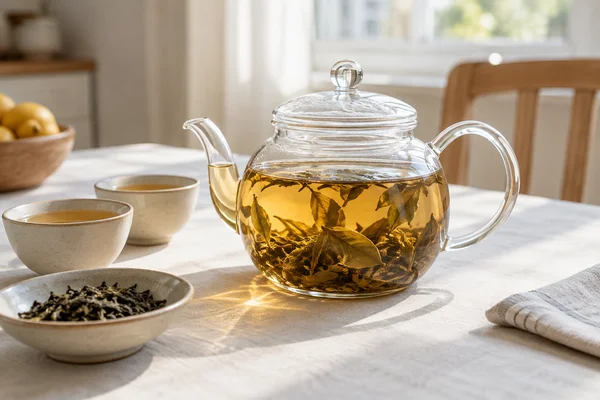
A transparent pot makes leaf movement and tea colour easy to see. Its practical value still depends on heat suitability, a comfortable pour and straightforward cleaning.
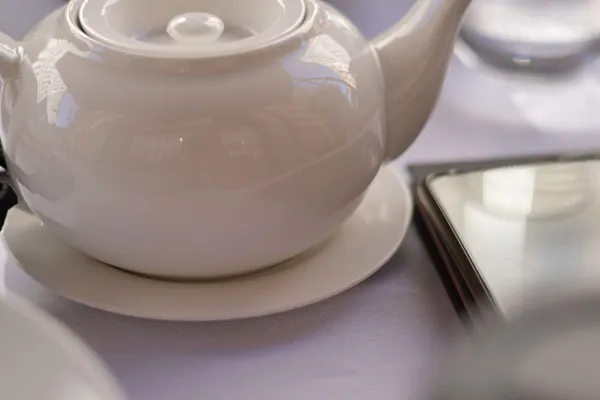
A plain glazed porcelain pot offers an uncomplicated reference for different teas. Check its usable size, filter and pouring behaviour before focusing on decoration.
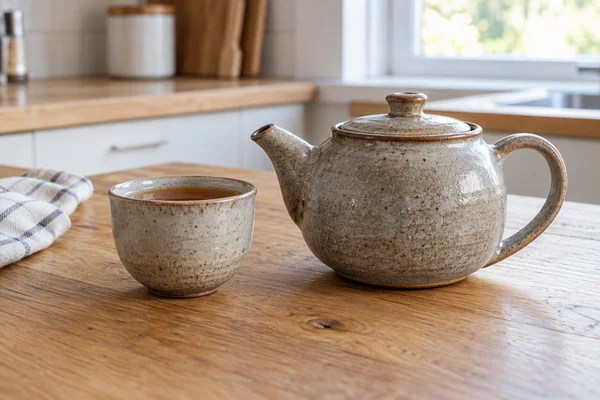
A pot that feels reassuring when empty may be tiring to pour when full. Judge weight, handle shape and useful capacity together.
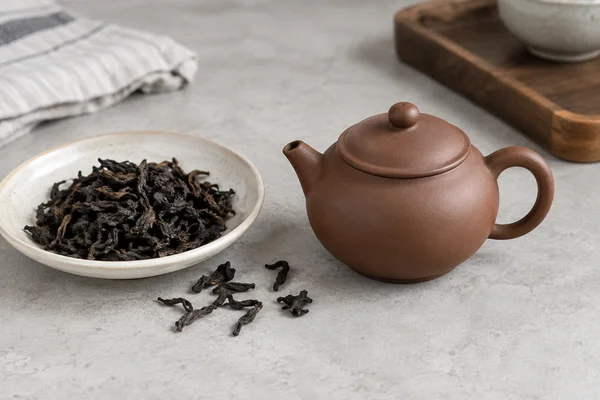
An unglazed pot asks for a little more thought about tea choice and care. First establish what the inside is actually made to do.
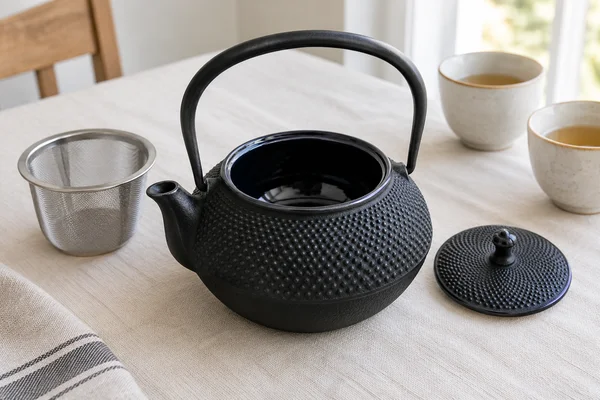
An iron body can hide a delicate enamel lining. Identify whether the vessel brews tea or heats water before putting it near a stove.
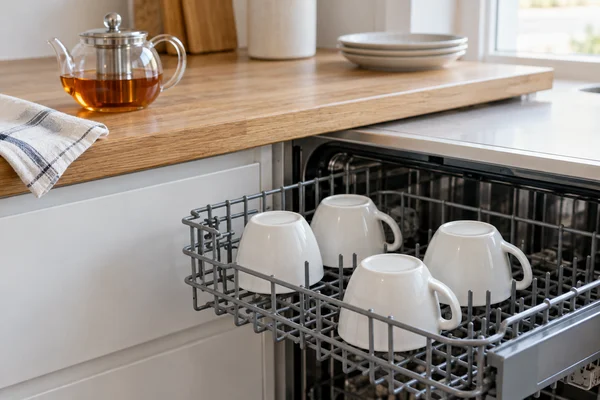
The pot, lid and filter may have different washing instructions. Check the individual parts before treating them as one dishwasher-safe set.
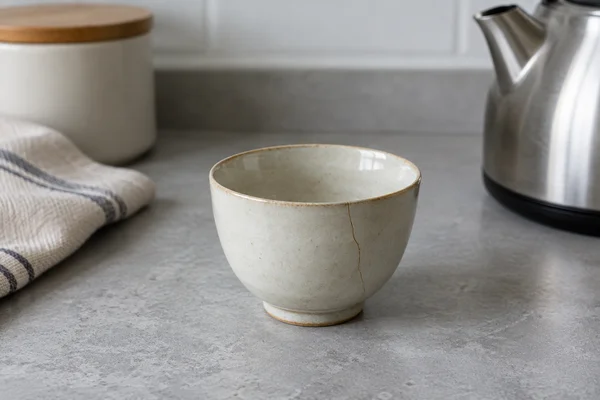
A spreading line, chipped rim or loose handle changes how a cup should be used. Keep damaged drinkware out of the next tea round.
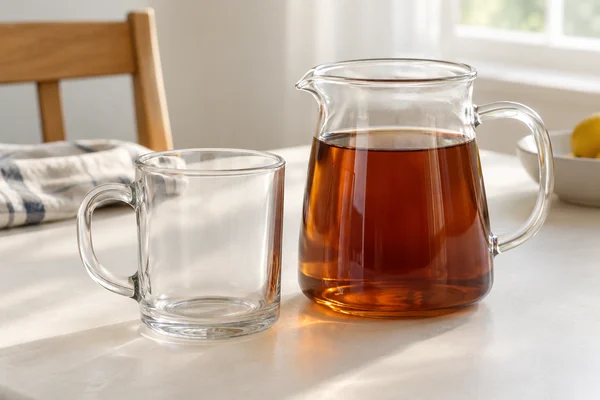
Transparency says nothing about heat suitability. Use glass identified for hot drinks and respect the limits of the complete vessel.
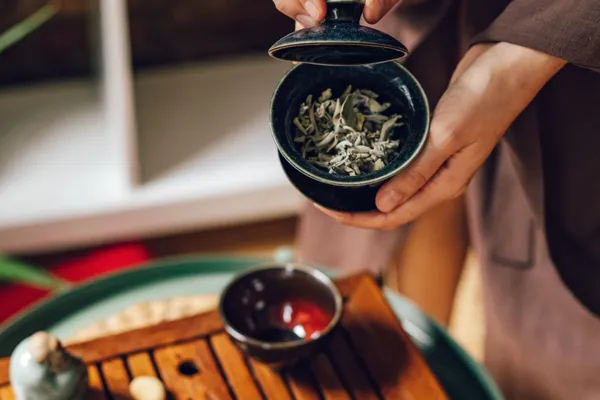
A gaiwan becomes easier to understand with cool water and an unhurried practice pour. Comfort matters more than copying a graceful photograph.
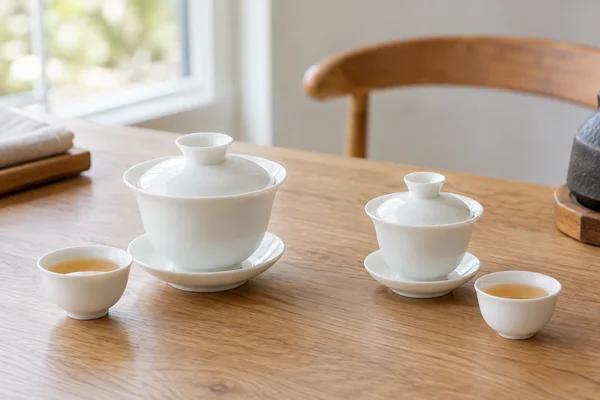
Capacity, rim width and the number of cups all matter when choosing a gaiwan. Bigger is not automatically more useful.
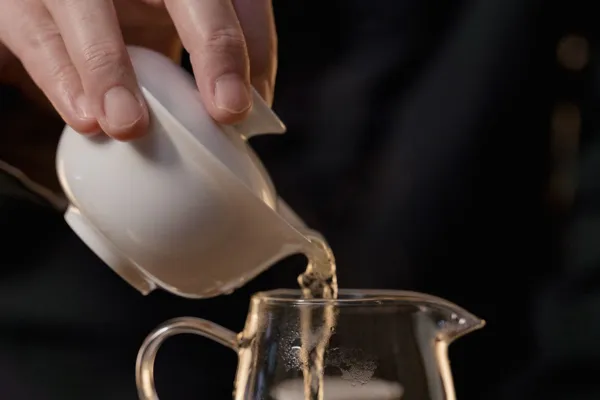
A small pitcher receives the complete infusion before it is divided between cups. That pause simplifies serving and separates brewing from drinking.
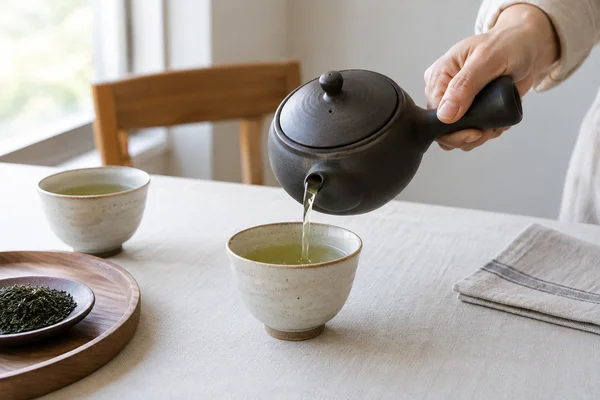
A side handle changes the movement of pouring. Learn the balance, lid support and final drain with water before brewing your tea.
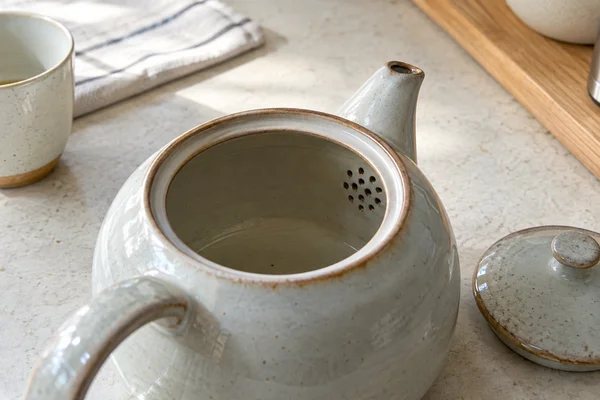
An integrated filter saves a loose part but still traps leaves. Clean the outlet deliberately so yesterday's fragments do not interrupt today's pour.
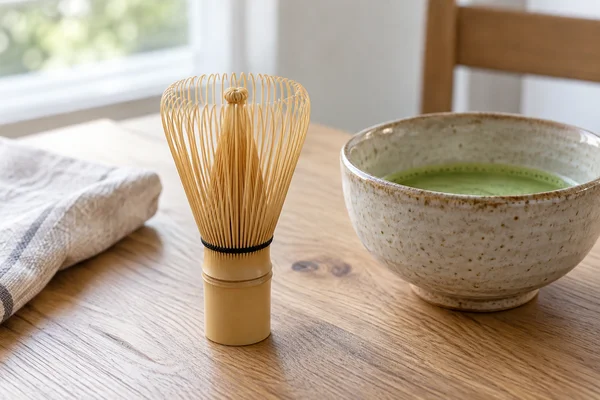
A bamboo whisk works best when its fine tines are treated gently and allowed to dry. Build care into the few moments before and after making matcha.
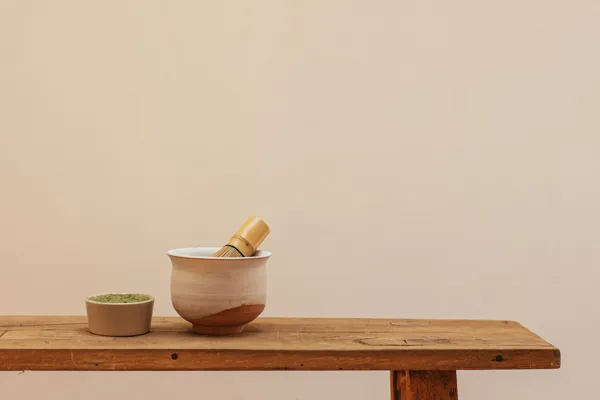
A matcha bowl needs space for movement as well as room for liquid. Judge its interior with the whisk you actually use.
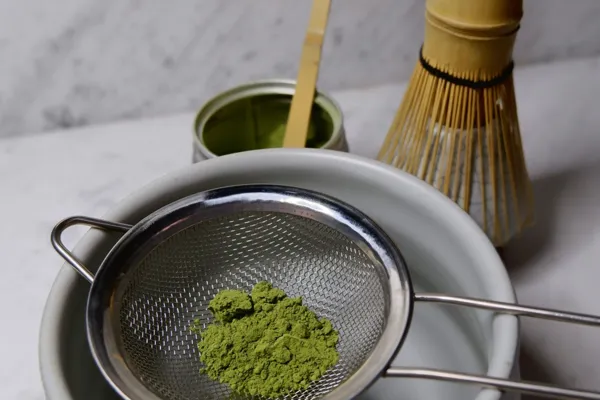
Sifting breaks up dry matcha clumps before water is added. A small, dry sieve makes the task easier to control than vigorous whisking later.
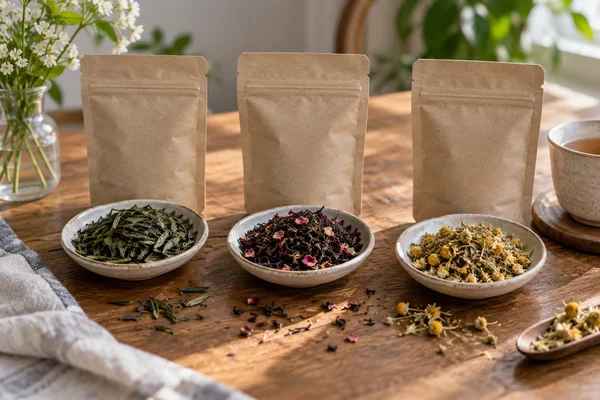
A small packet gives you room to learn what you like before a generous tin becomes a cupboard obligation.
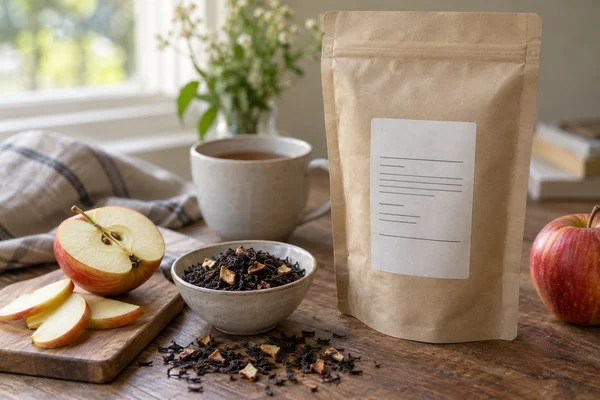
A name such as peach garden tells you a mood. The ingredient list tells you what is in the packet.
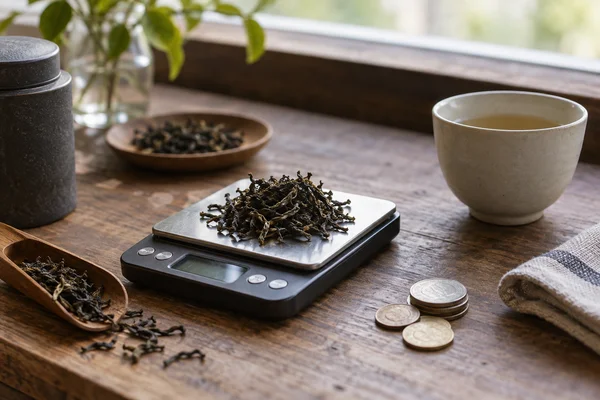
Price per packet is easy to see. Price per cup depends on how much leaf you use and what you actually finish.
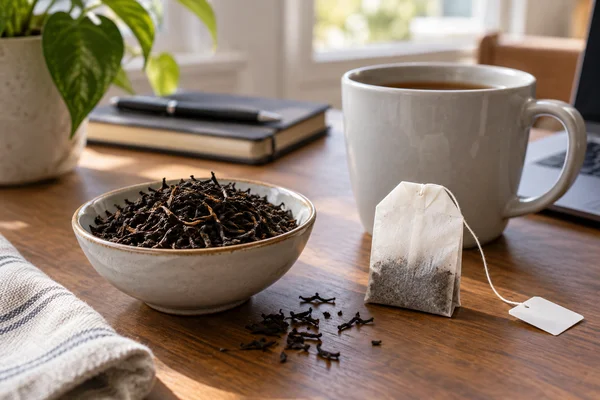
Choose a format around the way you drink tea, rather than treating a bag or an open leaf as a verdict on quality.
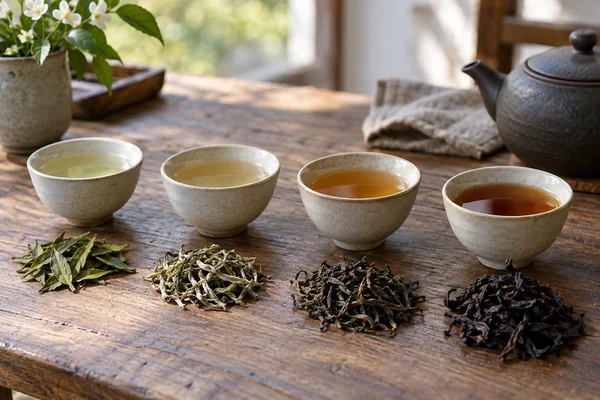
A useful sample set answers a question. Start with a few deliberate contrasts instead of collecting every unfamiliar name.
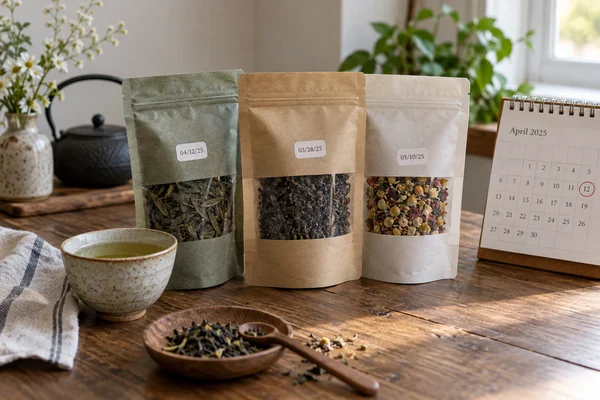
Harvest, packing, and best-before dates describe different stages. Read the words beside the number before drawing conclusions.
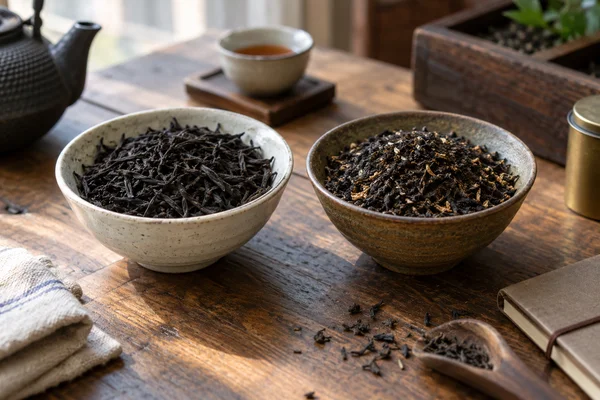
A named origin offers a particular reference point. A blend may aim for a dependable flavour across changing harvests.
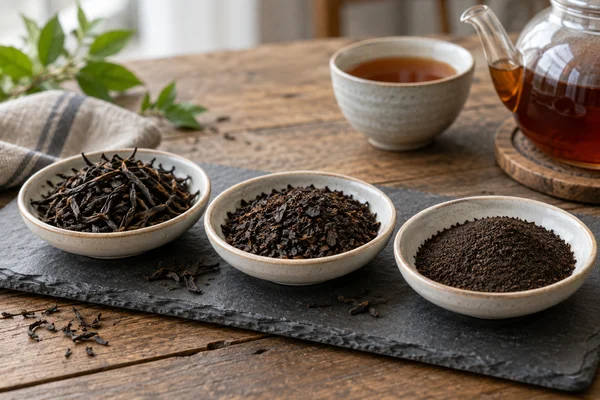
Leaf-grade abbreviations can describe the form of a tea. They are not a universal scoreboard for how much you will enjoy it.
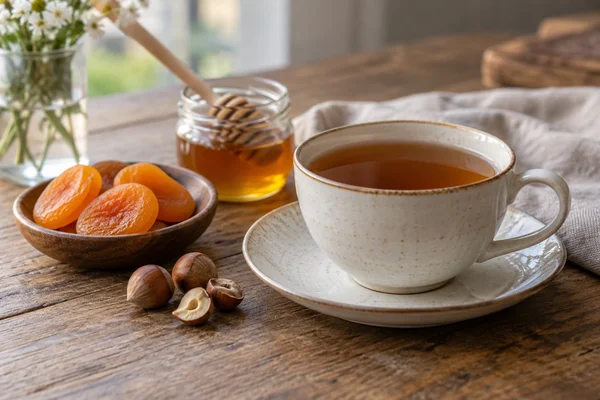
Use flavour words as directions, then translate them into comparisons that mean something to you.
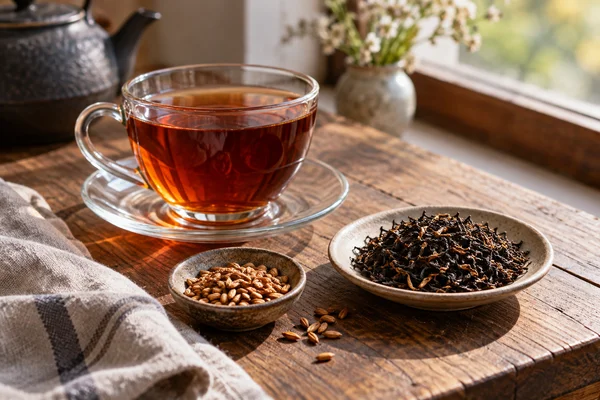
Malty can mean a warm, grain-like depth rather than sweetness. Find out which part of that character you actually enjoy.
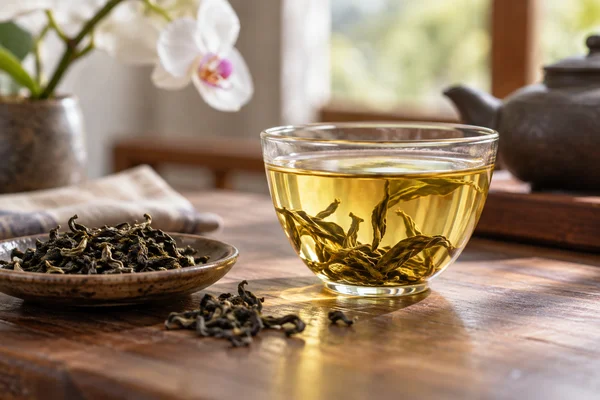
A floral cup can come from the leaf itself, flower scenting, or added flavouring. These are different routes to a fragrant drink.
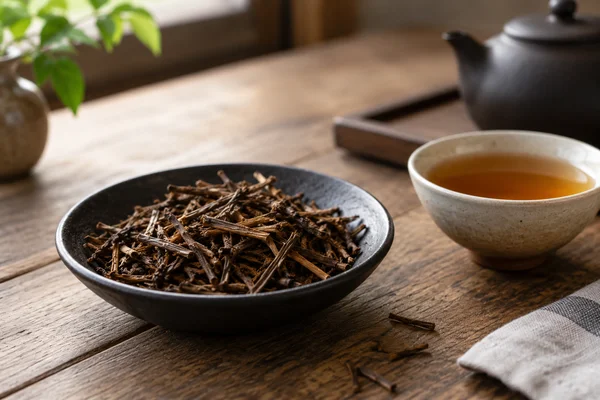
Roasted does not have to mean smoky. Begin with the warmth you enjoy, then decide how far into darker flavours you want to go.
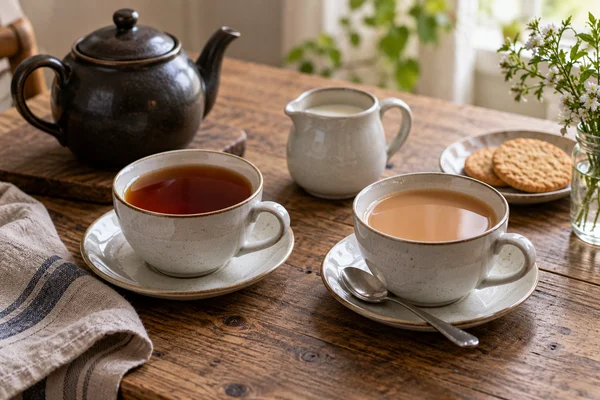
The right tea for milk is one whose character you still enjoy after your usual addition. Strength alone is not the whole answer.
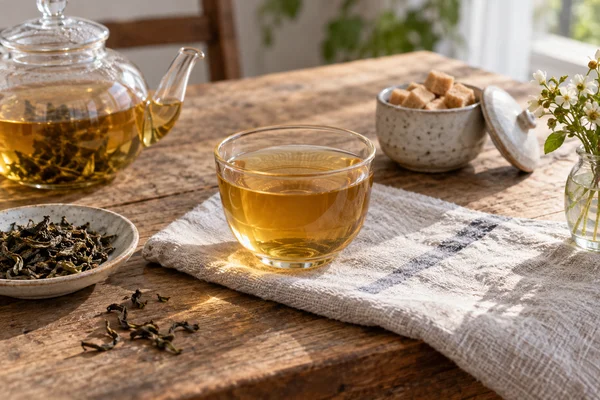
Find an unsweetened cup by following flavour and texture you enjoy, rather than expecting every tea to taste naturally sugary.
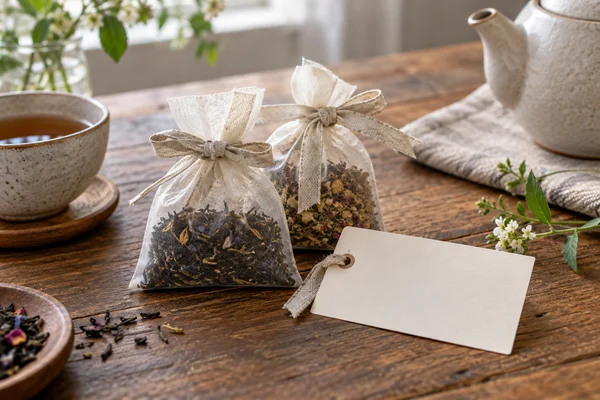
A thoughtful tea gift fits the recipient’s habits. Two well-chosen small packets often say more than a huge assortment.
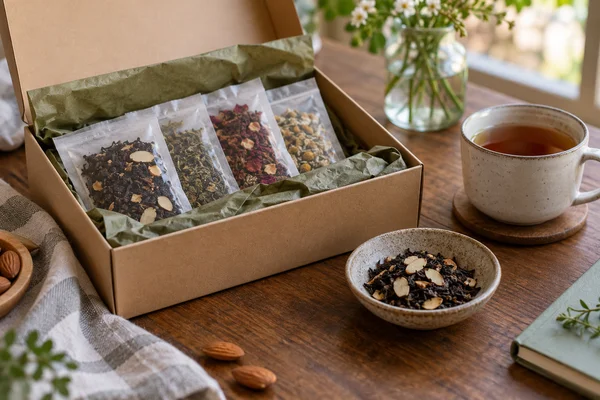
Keep ingredients and allergen information with a tea gift. A plain-looking blend can contain more than its name suggests.
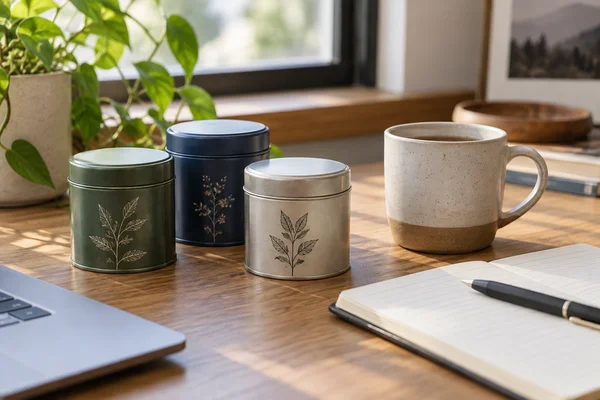
A small office selection works best when it matches the shared kitchen, storage space, and people who will actually use it.
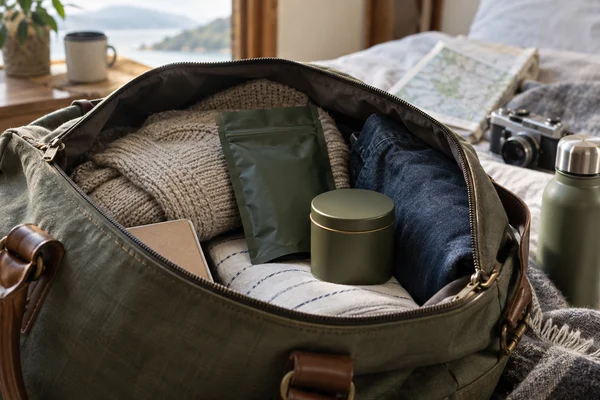
Pack only the dry tea you expect to use, keep its identity with it, and protect it from heat, moisture, and strong smells.
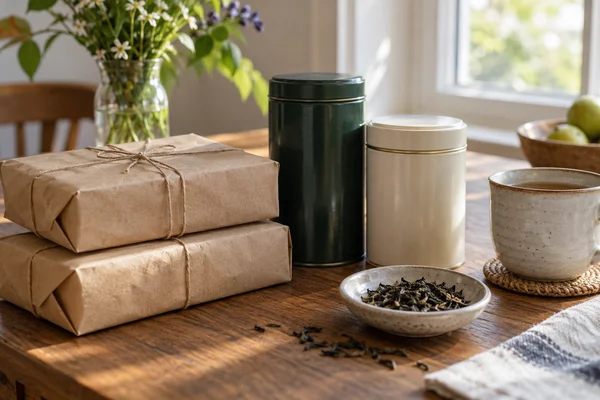
A subscription is useful when its pace, quantities, and choices fit your drinking. Surprise alone is not enough.
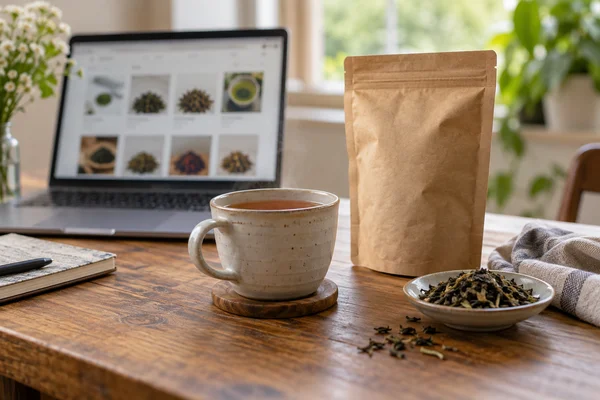
A useful listing lets you identify the tea, understand the ingredients, and judge the quantity without guessing from a photograph.
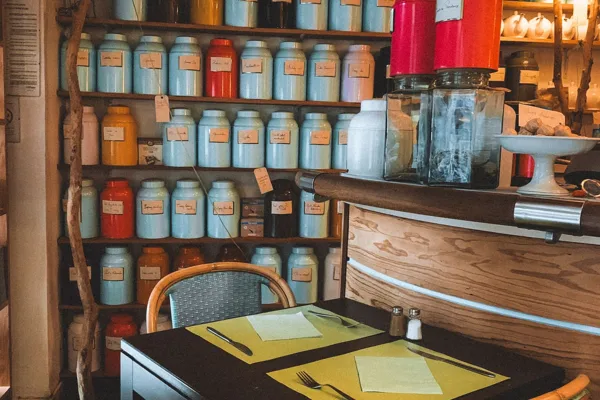
A good conversation in a tea shop starts with your habits and ends with a clearly identified packet you know how to use.
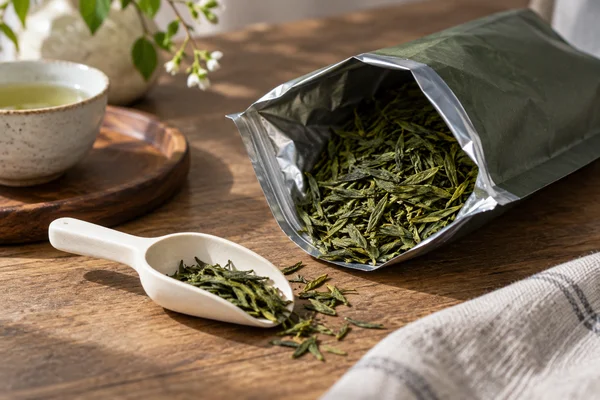
A fading aroma is different from dampness or an unfamiliar musty smell. Use the whole packet’s condition, not one dramatic sniff.
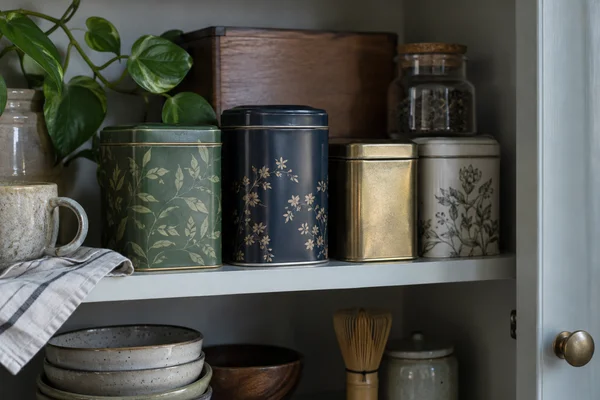
The best container cannot fully compensate for a damp, hot, or strongly scented spot. Choose the location first.
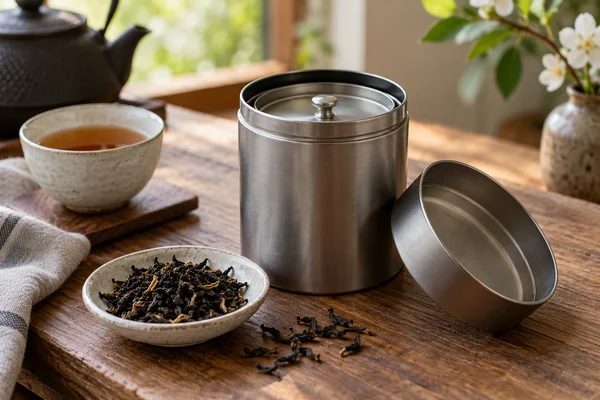
Before choosing a tea tin by colour or shape, check the lid, the interior, and whether the size suits the amount you will store.
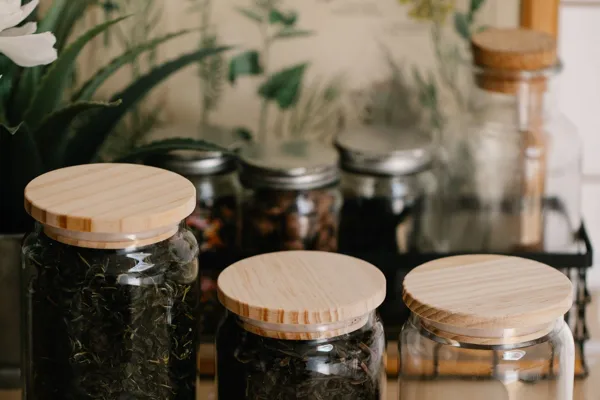
Glass can be a useful tea container when it closes well and stays in the dark. A sunny display shelf changes the equation.
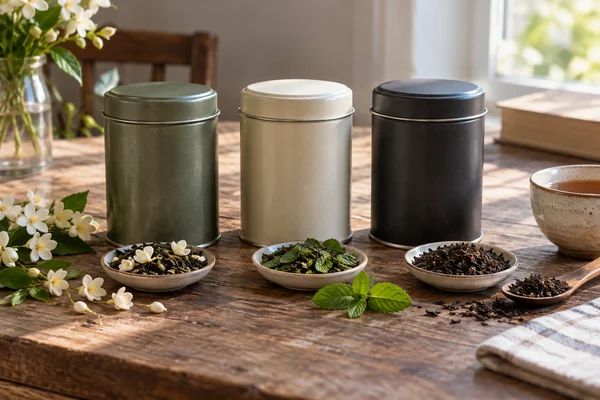
An orderly tea cupboard should separate aromas as well as packets. Strongly scented blends deserve their own closed space.
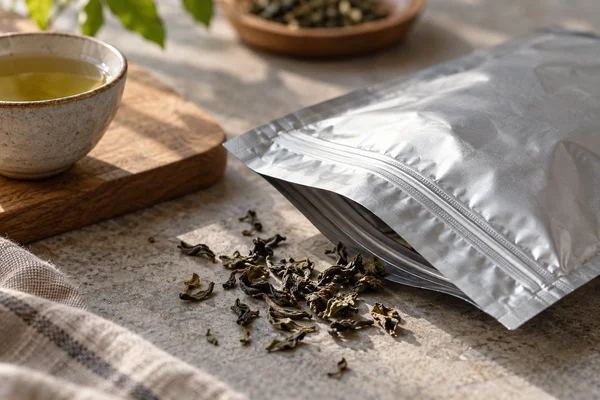
A zip pouch protects tea only when the channel is clean and fully closed. A quick pinch in the middle is not always enough.
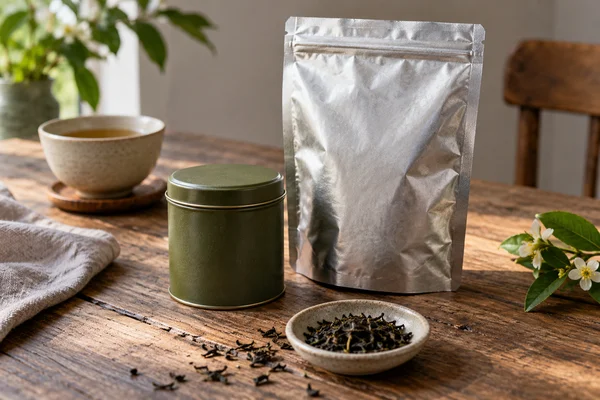
Separating a working portion from a reserve can make a large purchase easier to manage, provided both remain dry and identifiable.
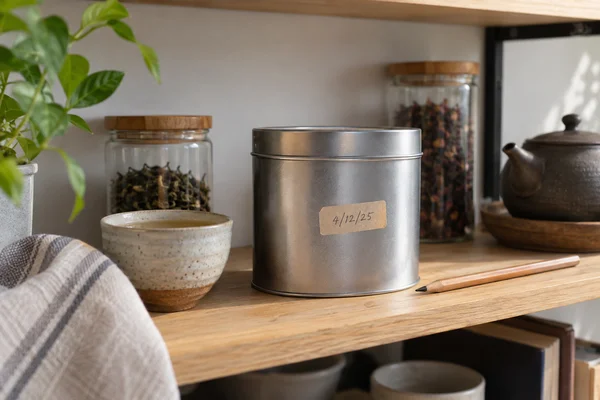
A small date on a packet can explain more than a perfectly arranged shelf. Record when you opened it, not a guessed deadline.
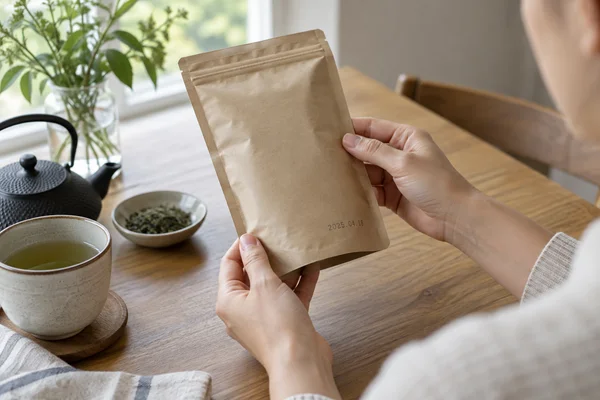
A best-before date concerns expected quality under stated conditions. Look at the product and its history rather than treating the date as the only fact.
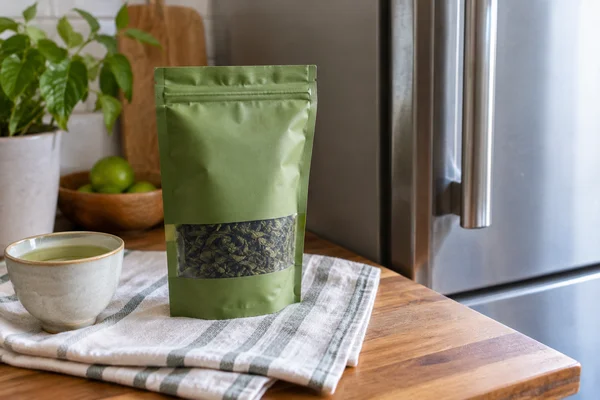
Cold storage can create a moisture problem when a packet is opened too soon. Follow the tea maker’s guidance and let sealed packets acclimatise.
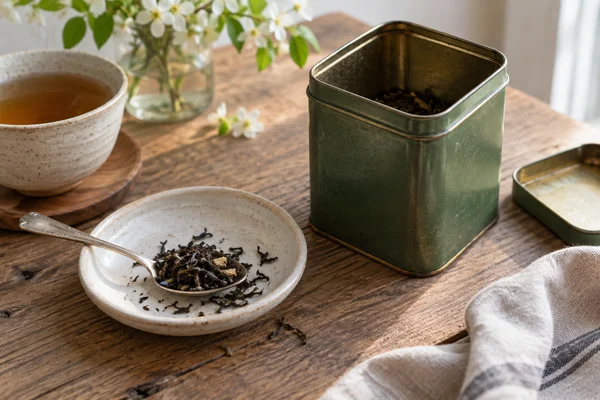
A nearly empty packet deserves a clear decision. Use a small remaining portion on its own before turning the cupboard into an accidental blend.
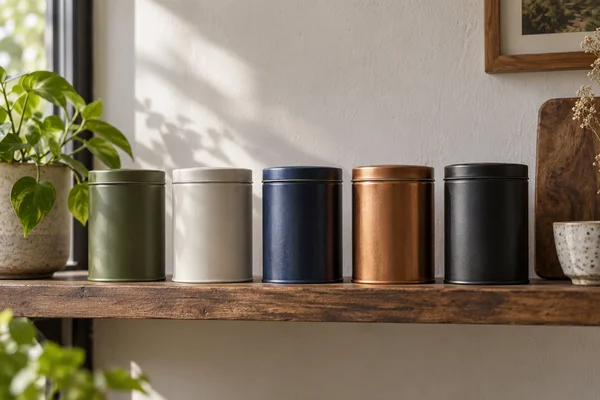
A satisfying tea shelf has room for what you drink. Count open packets before another interesting offer turns into a backlog.
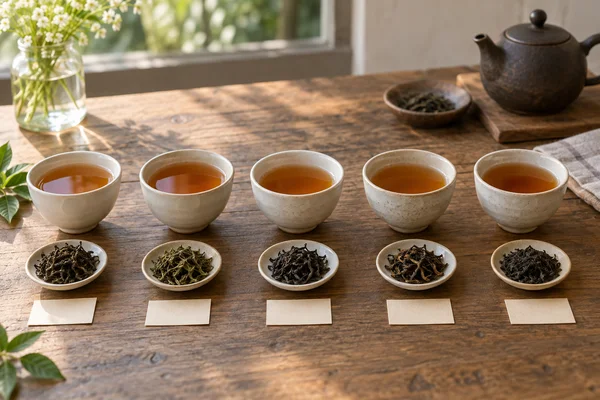
Different names can lead to very similar cups. Compare the job each tea does before adding another packet to the same corner of your shelf.
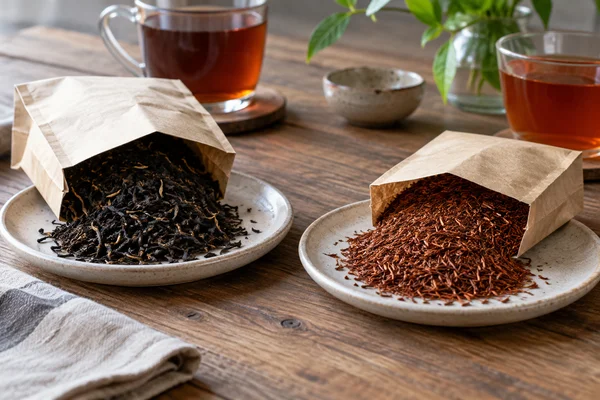
Decaffeinated tea and a naturally caffeine-free infusion answer different questions. Check the base ingredients before relying on a label.
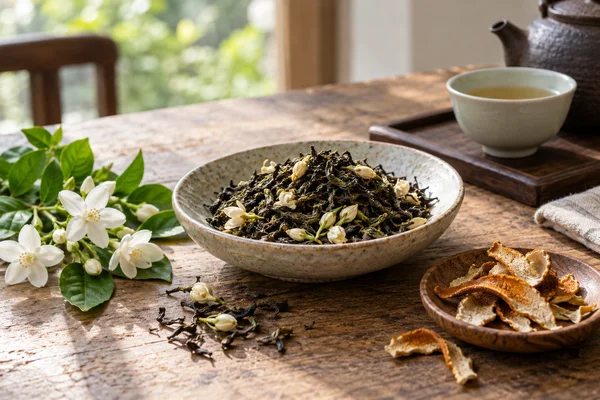
Aromatic tea can reach the cup in several ways. Separate the production description from the flavour words before choosing.
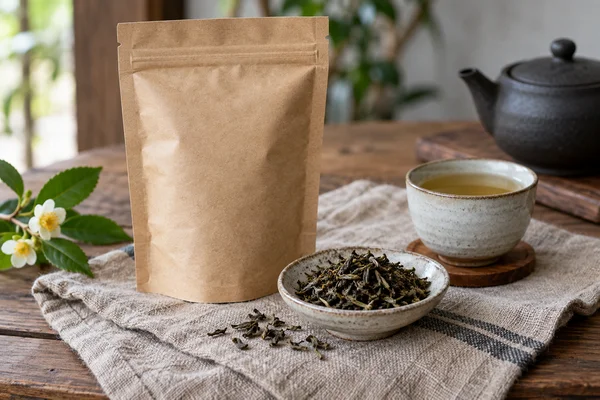
An organic label concerns a certified production system. It does not tell you everything about flavour, origin, or the tea you will prefer.
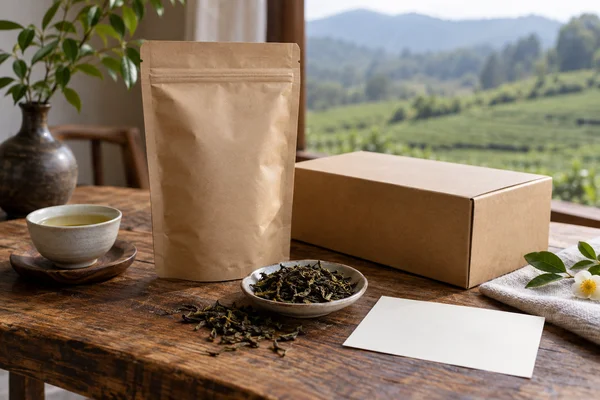
A business address, packing location, and growing origin can all be different. Read each statement for what it actually identifies.
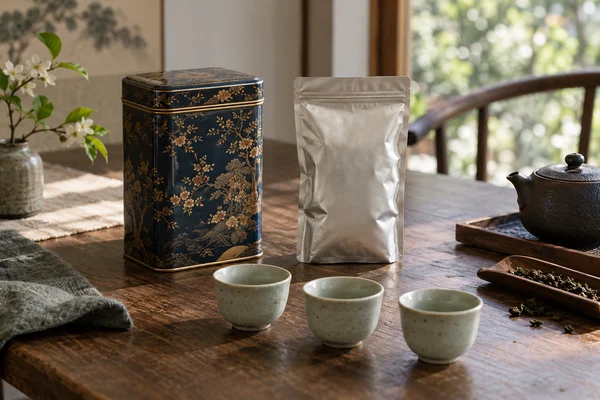
A beautiful tin can be part of the pleasure. Price the tea and the container separately before deciding what is worth buying again.
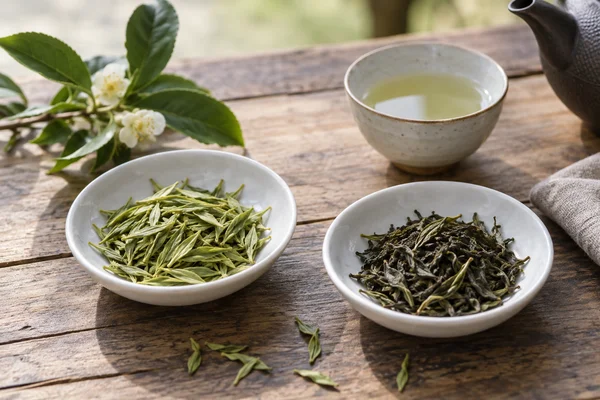
A familiar tea can change with a new harvest. Compare the label and the cup before assuming that either the seller or your kettle is at fault.
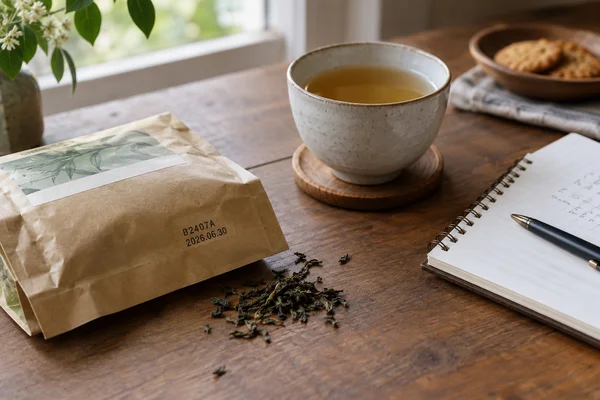
A useful message about disappointing tea separates what you observed from what you assume caused it. Keep the packet details.
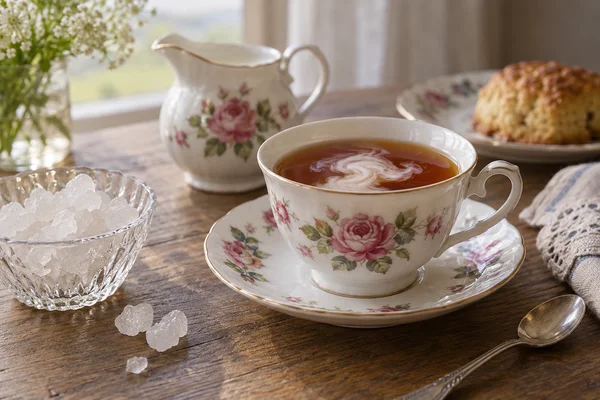
An East Frisian tea table offers a sequence to notice, but your host is a better guide than a memorised etiquette script.
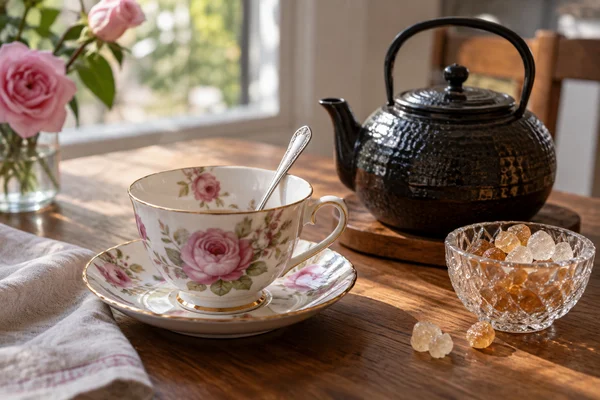
In a traditional East Frisian tea round, a spoon can communicate that you have had enough. Ask the host rather than guessing silently.
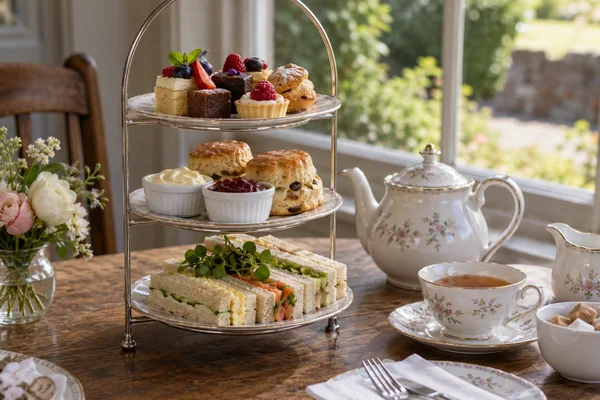
Afternoon tea is a food-and-tea occasion whose details depend on the venue. Read the menu before imagining a fixed ritual.
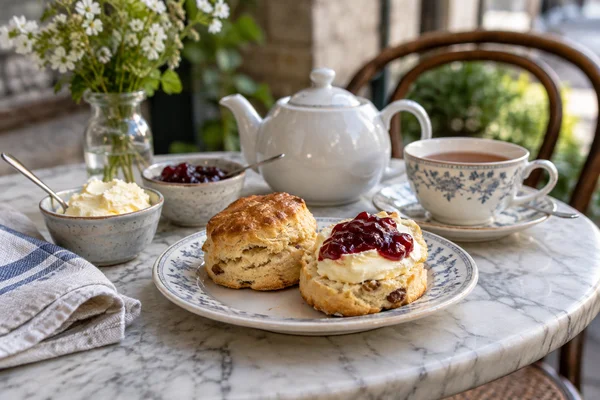
Cream tea usually centres on tea and scones with cream and jam. Afternoon tea is commonly a broader food selection.
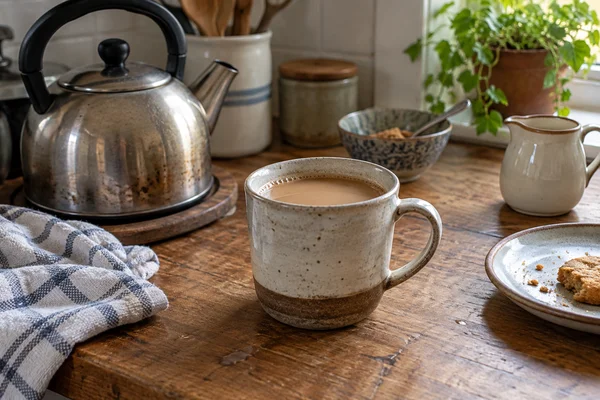
The everyday cuppa is shaped by personal habits, work breaks, and familiar mugs. It should not be confused with formal afternoon tea.
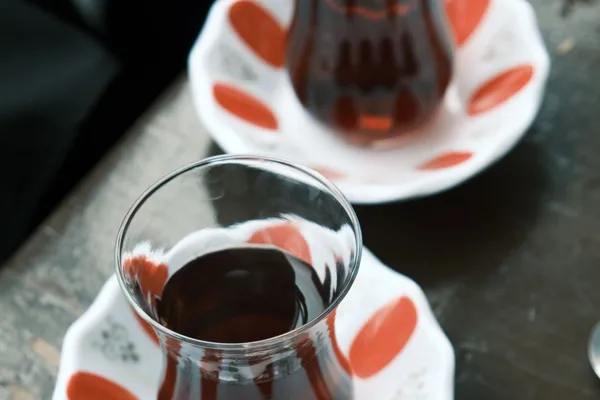
A small curved glass makes the colour of Turkish tea part of the table. It also changes the pace of drinking and refilling.
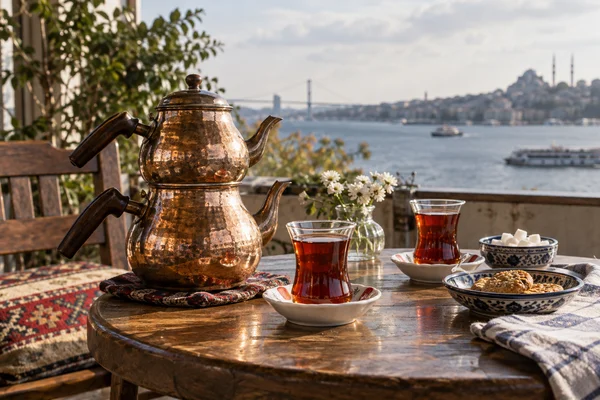
The stacked tea pot can help a Turkish tea table keep going. Notice how the host manages the round rather than treating the equipment as decoration.
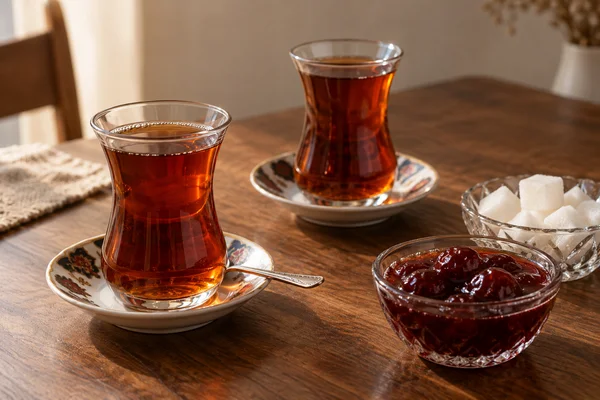
In an Azerbaijani tea setting, the glass and its accompaniments invite attention. Let the host explain how this particular table works.
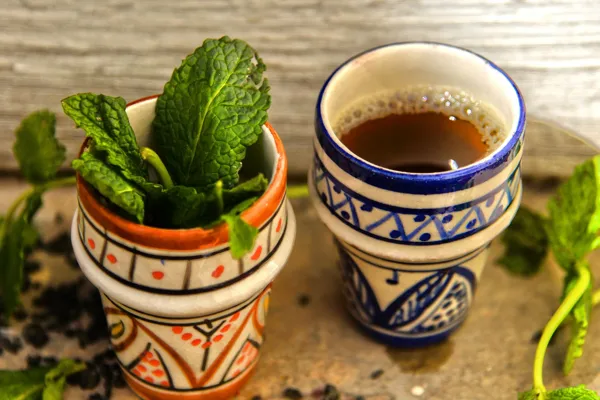
Moroccan mint tea can frame a welcome and a conversation. Notice the host’s pace and the tea itself, not only the height of the pour.
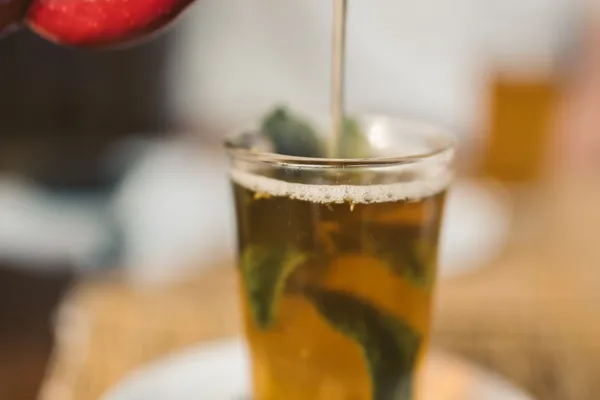
The sweetness of mint tea is worth discussing before a shared pot is made. Asking politely is more useful than guessing from its colour.
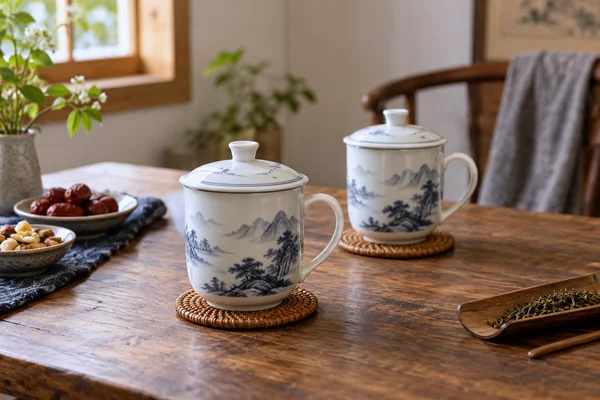
Tea can be an ordinary welcome in China as well as part of a formal occasion. The setting tells you how to join in.
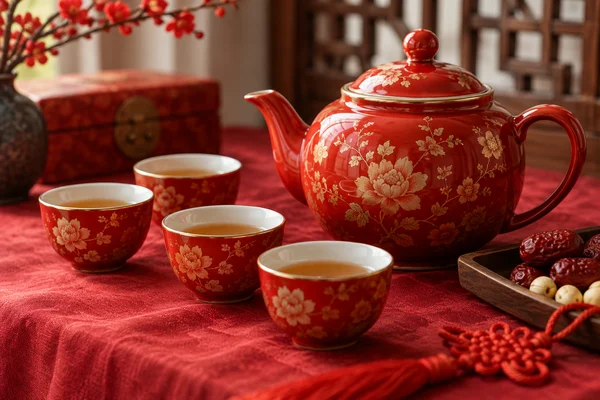
A wedding tea gathering belongs to the family arranging it. Learn your role from them instead of applying a generic checklist.
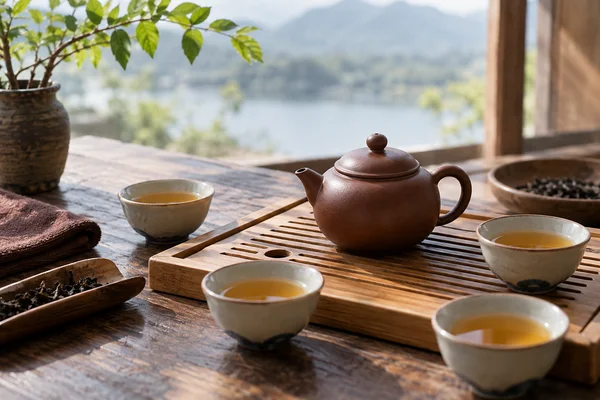
Small repeated servings make gongfu tea a shared sequence. As a guest, curiosity and attention matter more than collecting gestures.
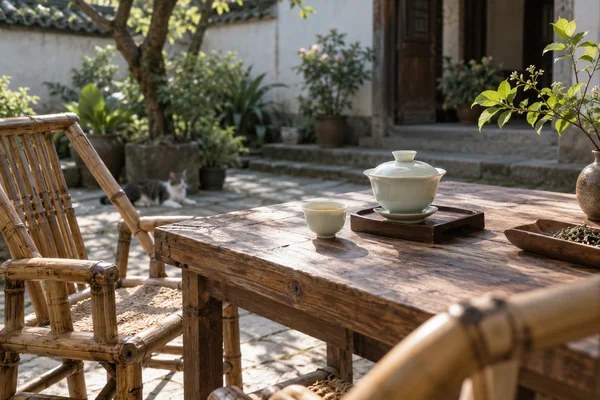
A Chengdu teahouse may be a place for conversation, a quiet seat, or a performance. Find out what this venue offers before settling in.
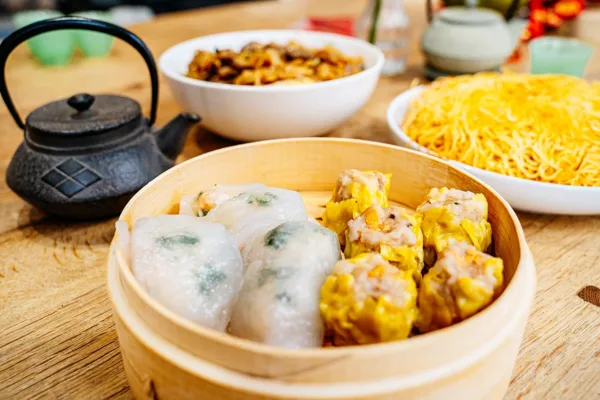
At yum cha, tea is part of a meal shared over small dishes. Choose it with the table rather than treating it as an afterthought.
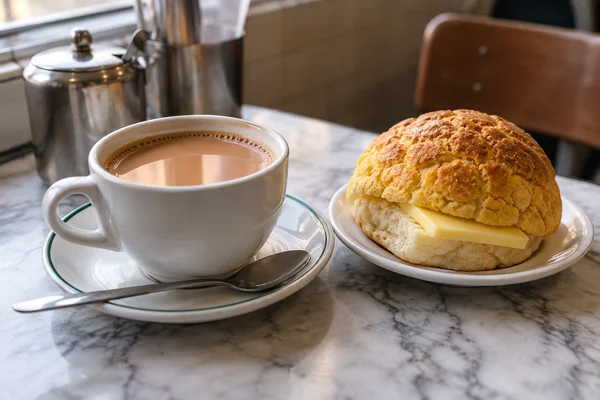
Hong Kong milk tea makes more sense alongside the café, the menu, and the craft behind its strong, smooth cup.
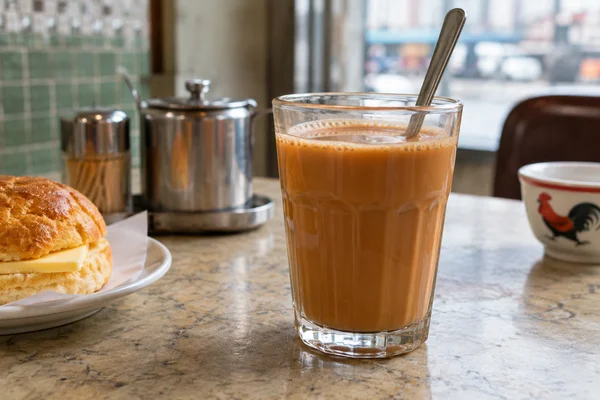
Yuen yeung combines coffee and tea. Ordering it thoughtfully lets you notice the balance without expecting one fixed recipe.
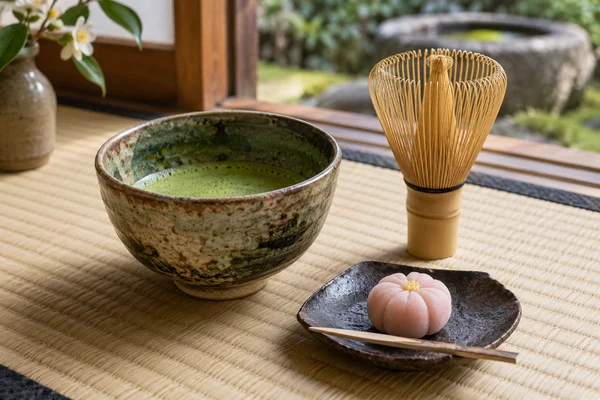
A first tea gathering is easier when you know the format, the seating, and how much guidance is included.
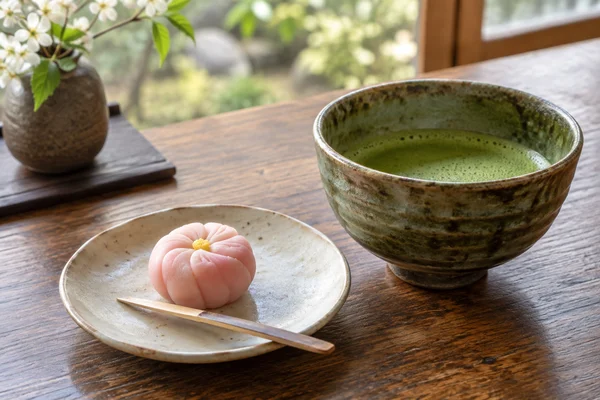
A sweet served with matcha is part of the sequence and the sensory contrast, not merely decoration beside the bowl.
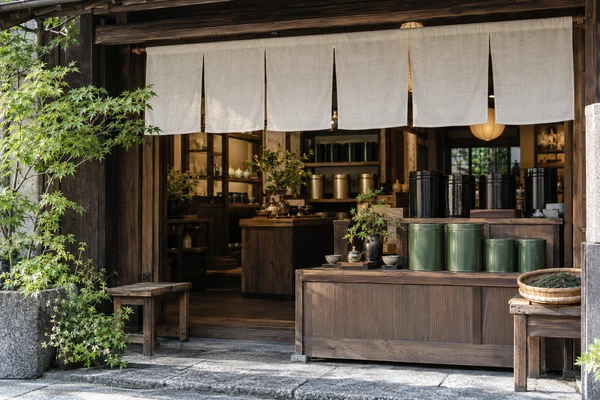
A visit to Uji can connect tea shops, landscapes, and everyday food instead of becoming a race between matcha desserts.
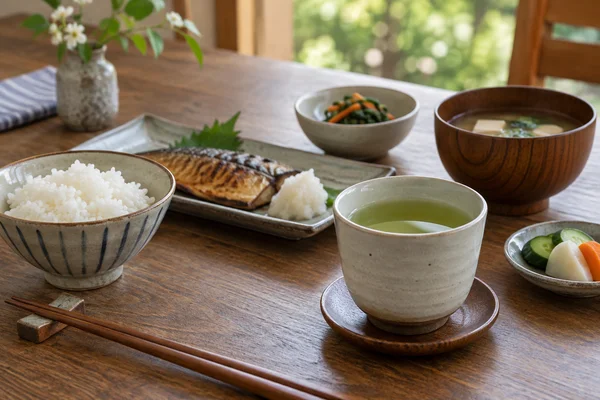
A tea shop shelf, an ordinary meal, and a ready-to-drink bottle show parts of Japanese tea that a formal gathering cannot cover alone.
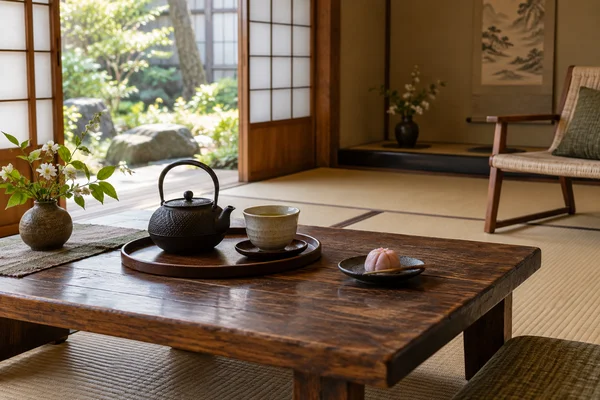
A few precise booking questions can make a tea experience fit your mobility, language, and food needs.
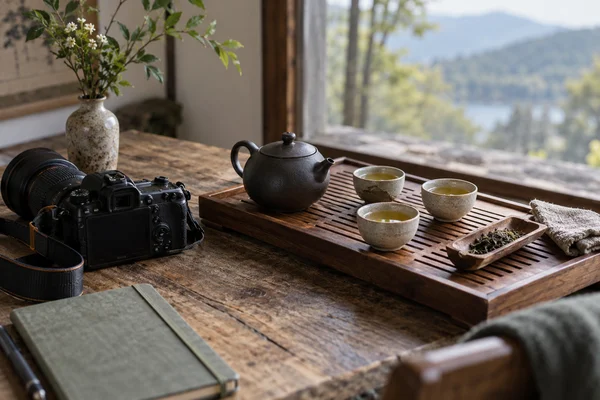
A few considered photographs can preserve a tea visit without turning the table or the people working there into a photo set.
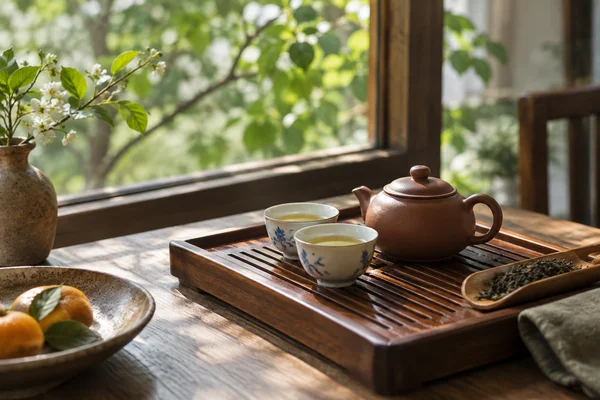
A Taiwanese tea house visit rewards an unhurried order, a clear understanding of the service, and attention to the tea being offered.

Start with the drink base, then consider sweetness, ice, and toppings. A shorter order can be easier to understand and enjoy.

A chai stall is a place of work and short pauses. Paying attention to the order and the people makes the visit more rewarding.
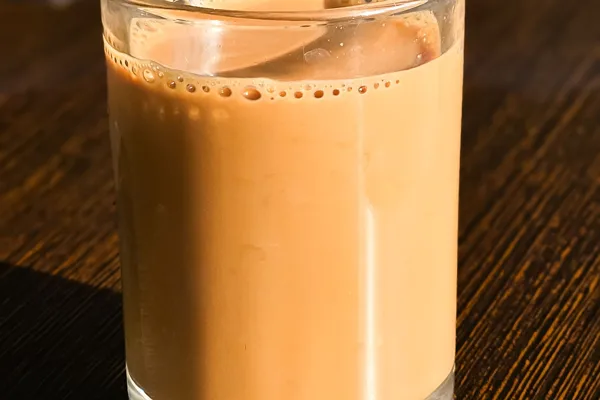
Different spice balances can all make sense in masala chai. Learn what a particular household or maker values before looking for a universal formula.
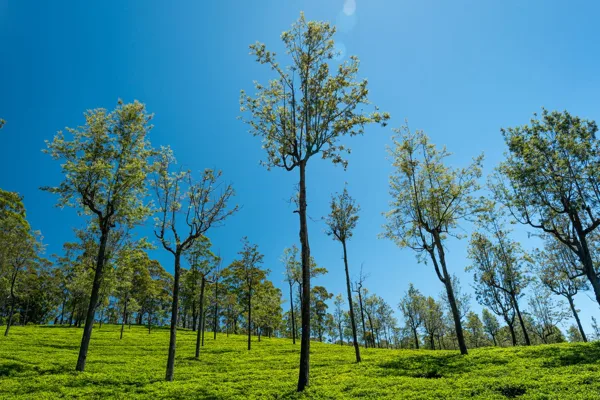
A tea estate visit becomes richer when the landscape is connected to production, people, and the particular tea offered at the end.
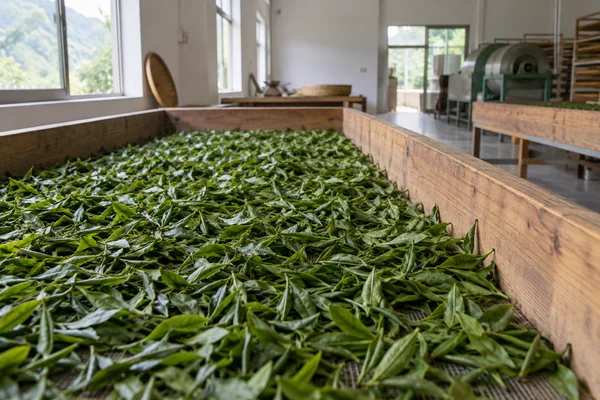
A handful of precise questions can turn a factory tour from a sequence of machines into an understandable story of a tea.
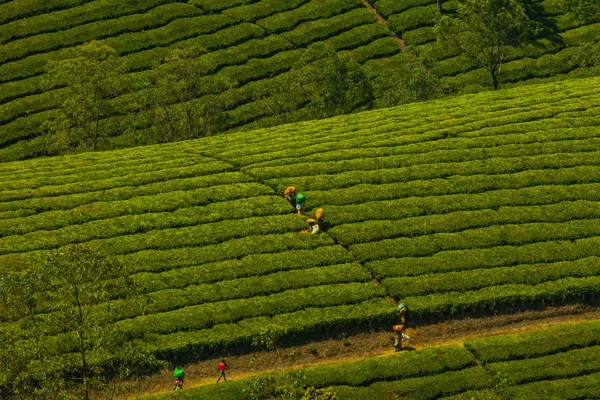
Tea scenery is made and maintained by people. A more complete account notices their work without pretending a short visit reveals every condition.

A tea museum is easier to remember when you follow a few objects and the questions they raise, rather than trying to absorb every label.
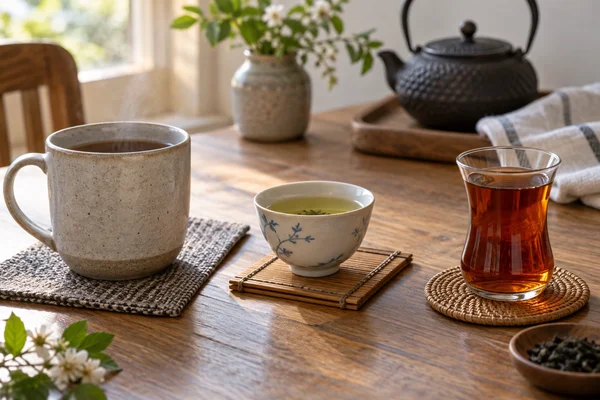
A national label is a starting point, not a complete description. Place, occasion, household, and generation all deserve room in a tea story.
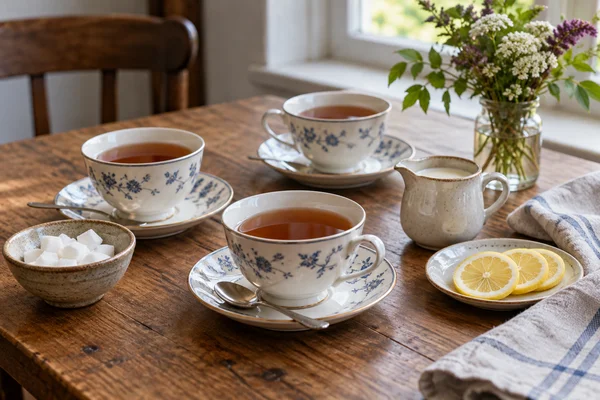
Two clear choices, comfortable cups, and an easy way to decline usually matter more than an impressive tea collection.
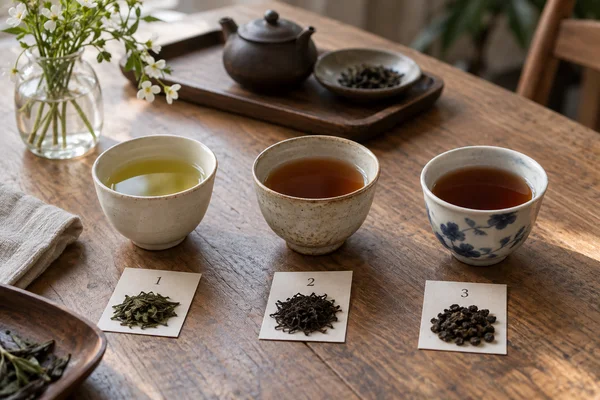
Keep a friendly tasting small, give everyone room for their own words, and let conversation matter as much as comparison.
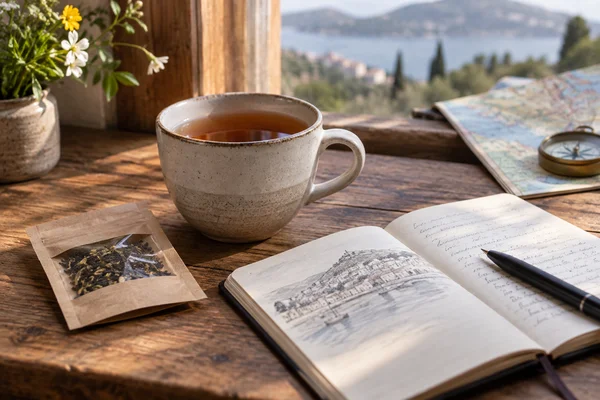
A small, clearly identified packet can preserve a travel memory better than a dramatic story attached to a tea you cannot name.
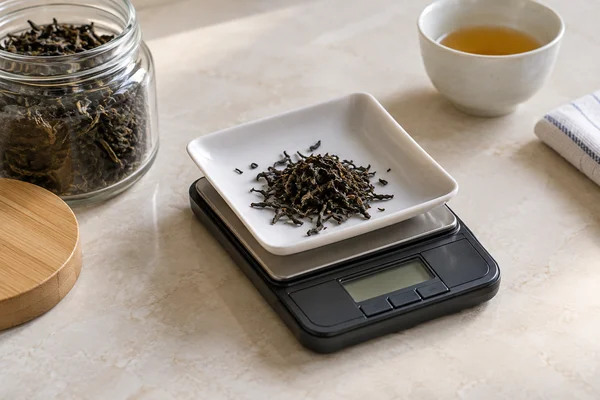
A decimal on the display is useful only if the scale can reliably measure the small quantity you are putting on it.
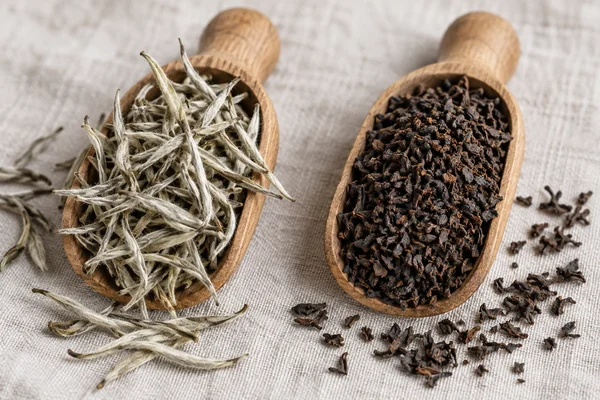
Two scoops that look equally full can hold very different amounts of leaf. Learn your scoop with the tea you actually drink.
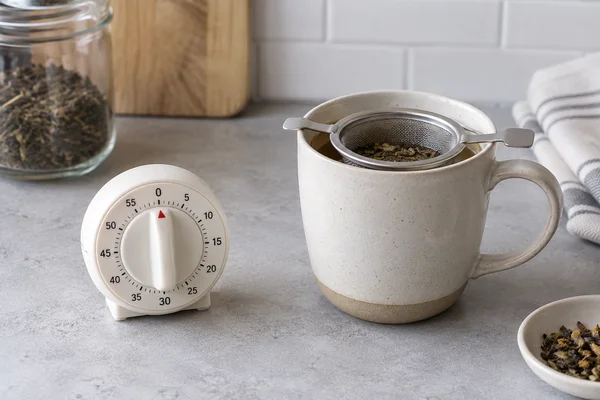
The best tea timer is the one that fits the room, your hearing and the way you make a cup.
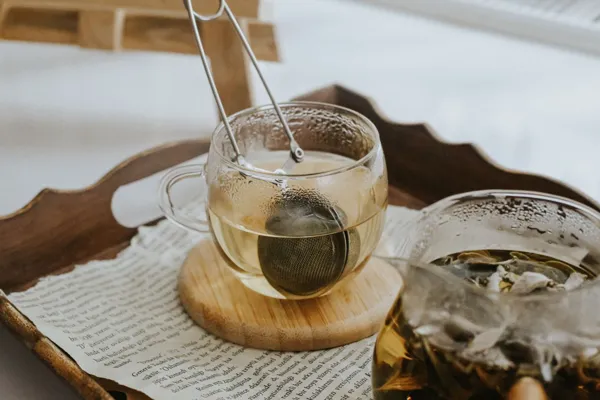
A tray earns its space by making pouring, resting a wet filter and clearing the table easier.
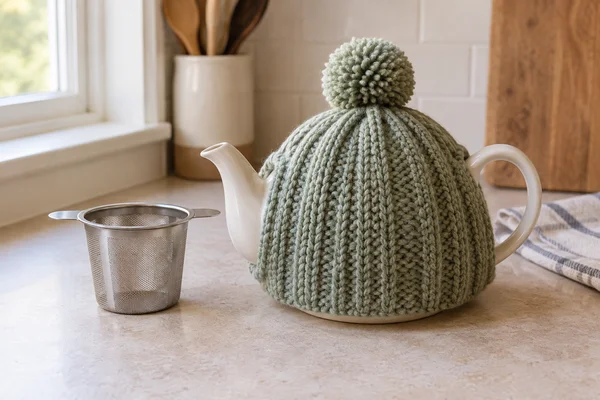
A fabric cover slows heat loss, but it does not stop the tea leaves from steeping. Separate those two jobs.
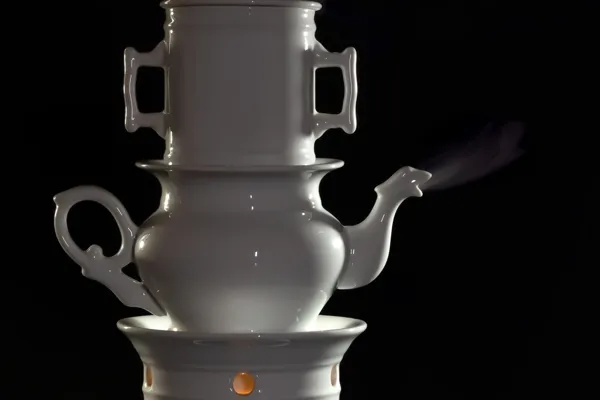
Before lighting a tealight, check the pot, the support and everything around them. A cosy-looking setup still contains an open flame.
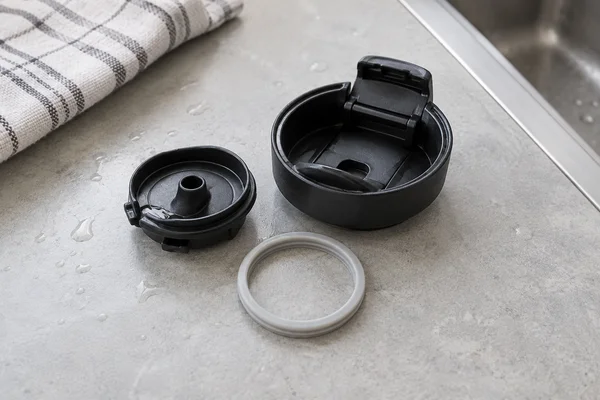
A clean-looking lid can hide yesterday's tea beneath a seal. Learn which pieces are meant to come apart.
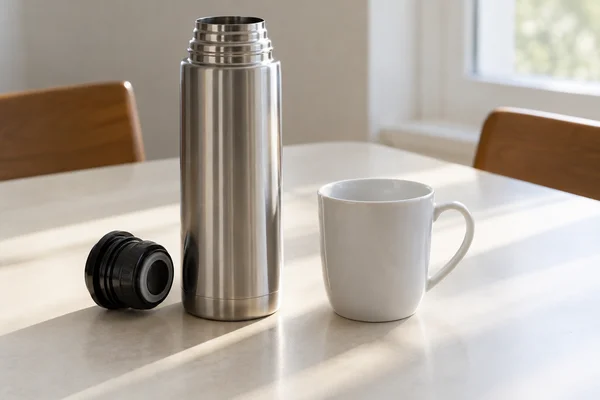
Before blaming the steel body, check the stopper and seals. They may be carrying the flavour into your next tea.
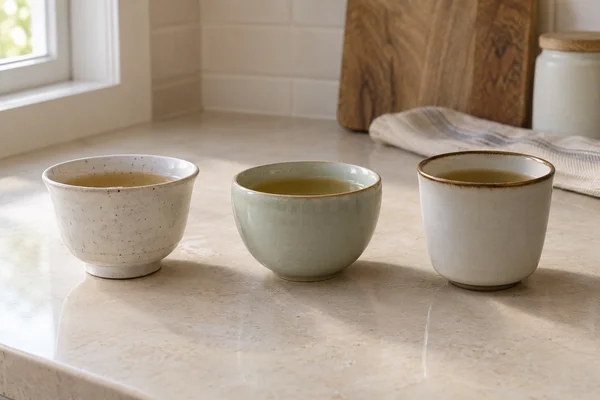
The part of a cup you notice most may be the few millimetres at its edge. One trial cup is more informative than a matching set in a photograph.
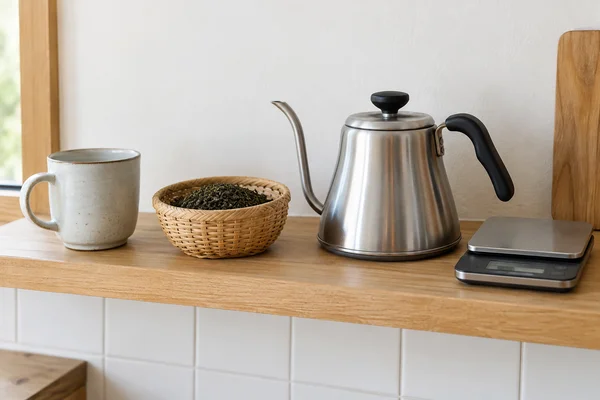
Start with the jobs that need doing: heat water, contain the leaves, separate them and drink. Add equipment only where something is missing.
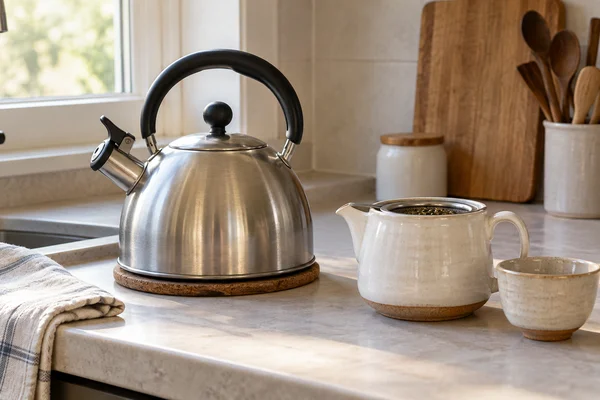
One heats the water; the other holds the infusion. Confusing those jobs can damage equipment that looks perfectly sturdy.
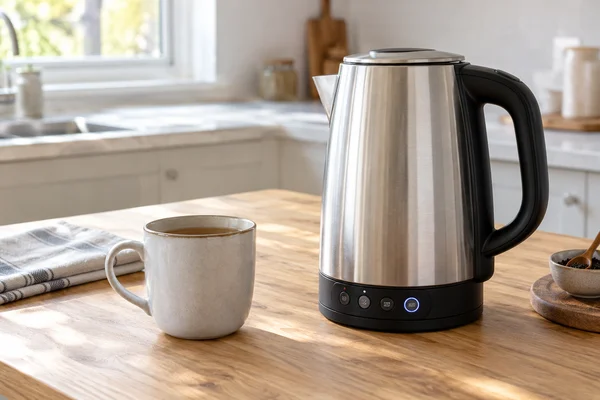
Temperature settings are useful when they fit your tea and your routine. They do not remove the need to understand what happens after pouring.
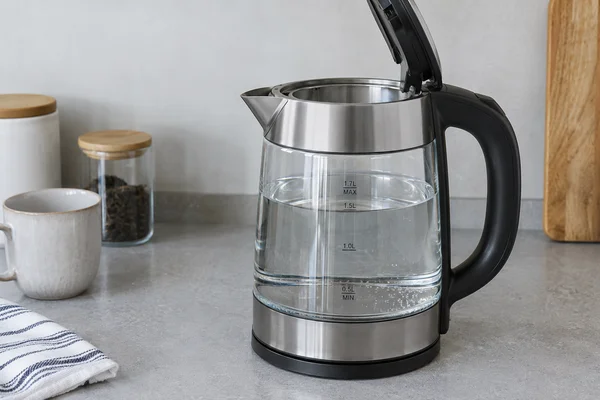
A small cup does not cancel the kettle's minimum-fill mark. Match the appliance to the amount you regularly need.
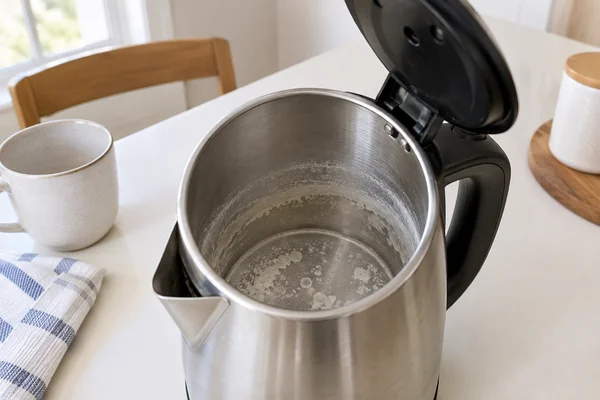
Treat mineral deposits with the method approved for your kettle, then give the rinsing stage as much attention as the cleaning.
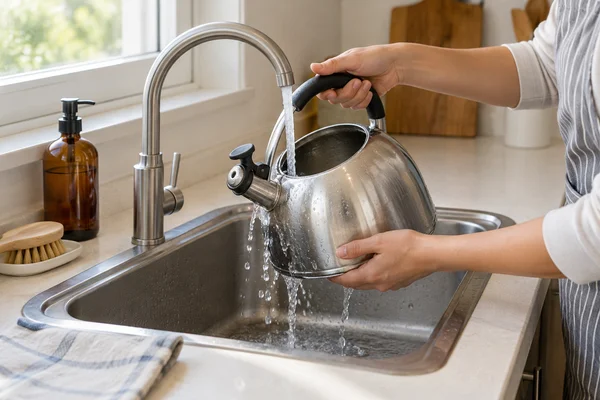
A kettle can look clean while still needing the final fresh-water steps. Keep the cleaning and drinking stages clearly separate.
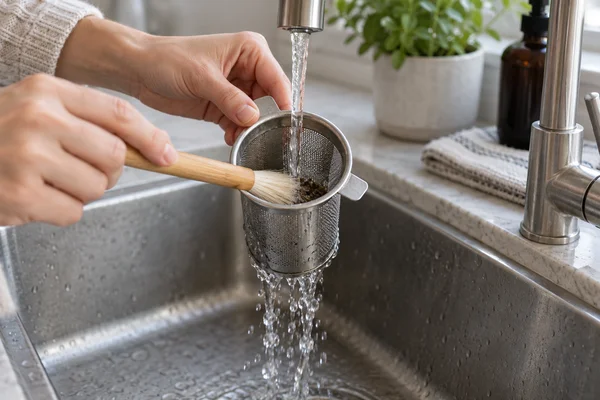
A basket is easier to keep clean when wet leaves come out promptly and the mesh has room to dry.
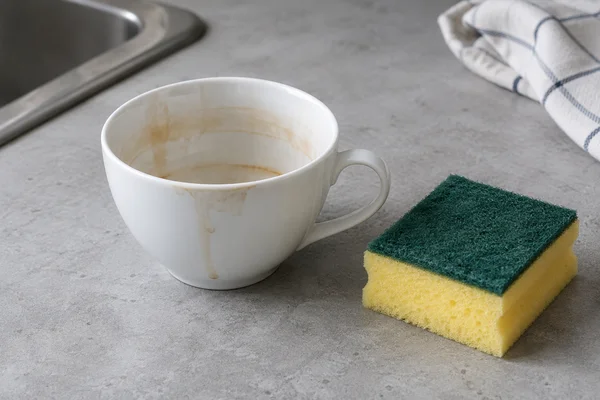
A brown line inside a cup calls for ordinary care first. The right method depends on the cup's surface, not just the colour of the stain.
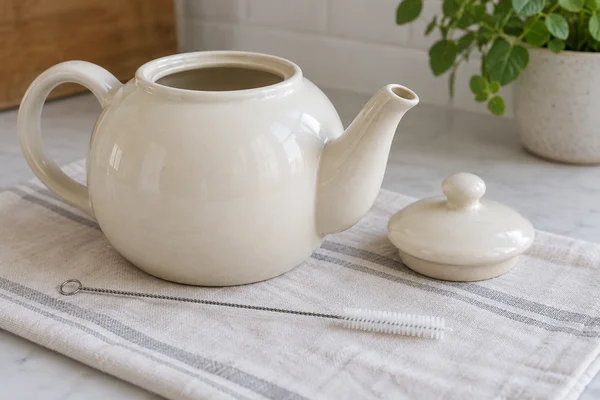
The pot can look spotless while a narrow spout still holds leaf fragments. Clean the route the tea takes on its way out.
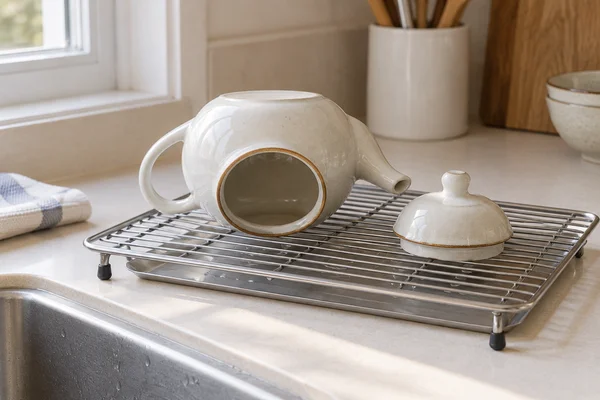
Putting the lid back on is tidy, but it can close moisture inside. Give a washed pot time and space to dry.
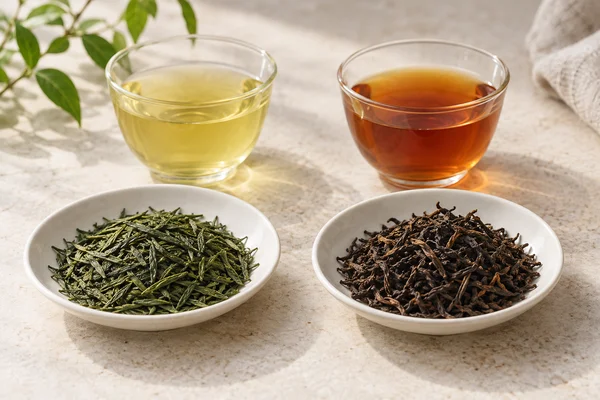
The difference develops after picking. Follow what happens to the leaf, then compare the cups without treating colour as a measure of strength.
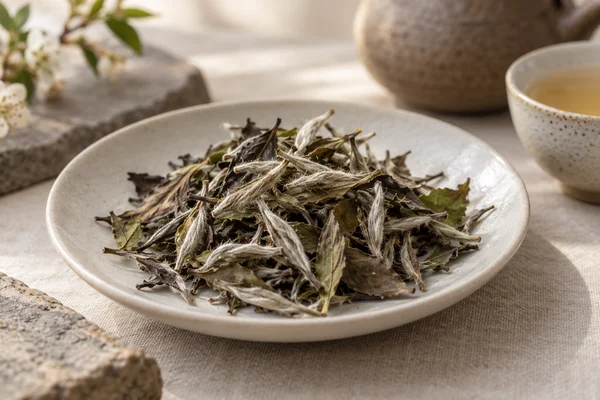
Silver buds are only one expression of white tea. Leafier styles can have a fuller cup without leaving the category.
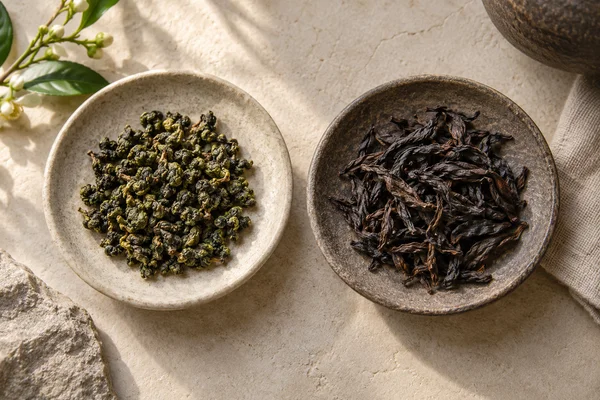
Lightly floral and deeply roasted teas can both be oolong. Oxidation alone does not explain everything in the cup.
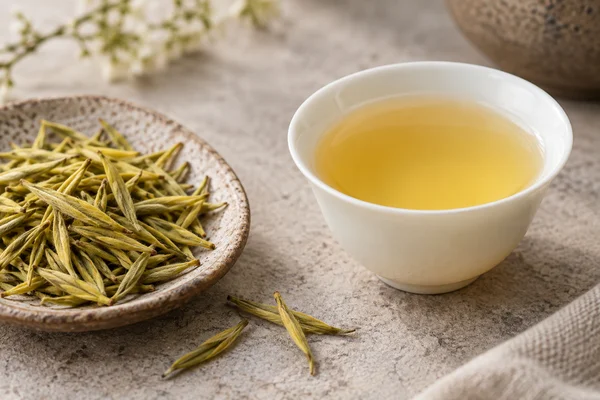
Yellow tea is defined by a processing choice, not simply by a yellow infusion or an unfamiliar name.
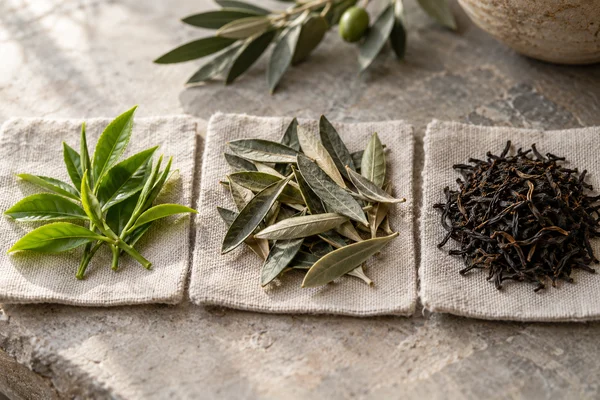
Oxidation helps explain why tea changes colour and aroma. It is different from roasting and from microbial fermentation.
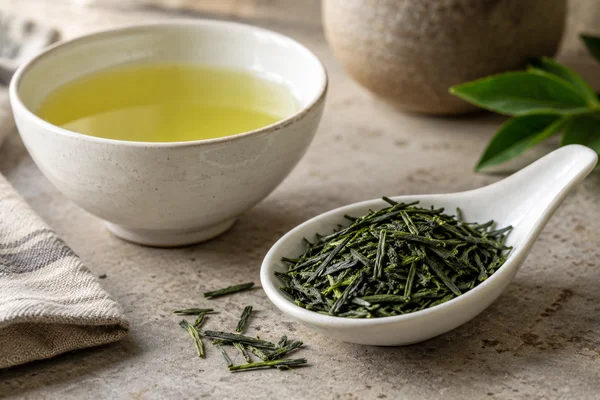
Sencha can be brisk, savoury and sweet in the same cup. Grassy is only one possible description.
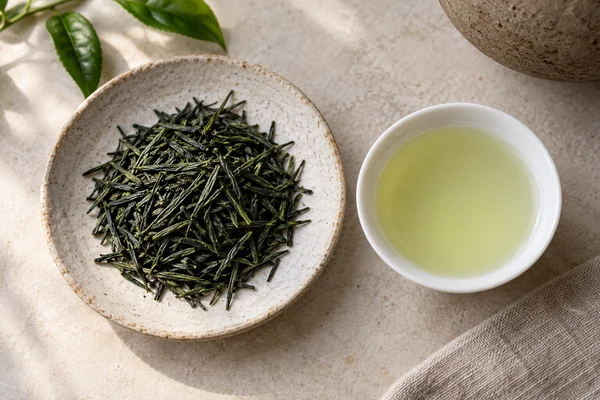
Shade helps shape gyokuro's distinctive character, but its concentrated savouriness is not a flavour everyone expects from tea.
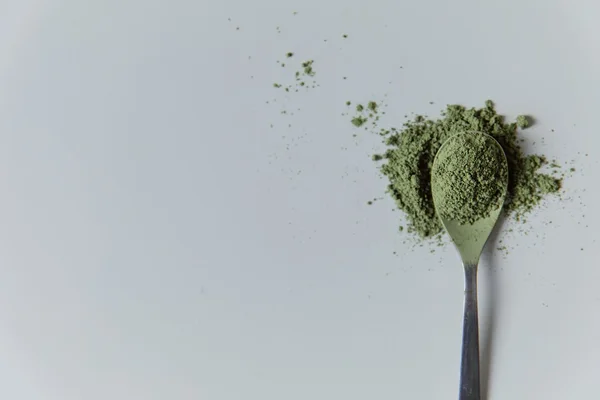
The powder stays in the bowl. That single difference explains much of matcha's texture and appearance.
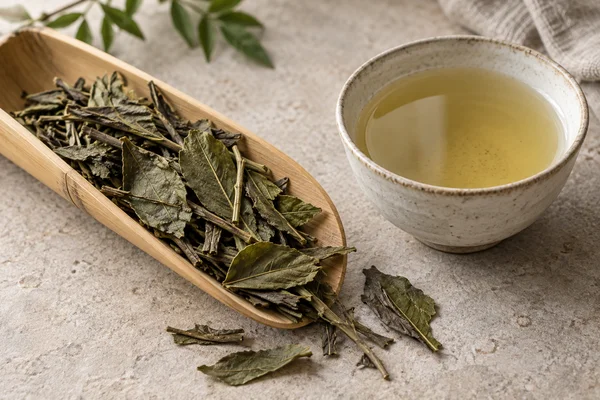
Larger leaves can make an appealing everyday tea. Bancha is a broad name, not a synonym for poor quality.
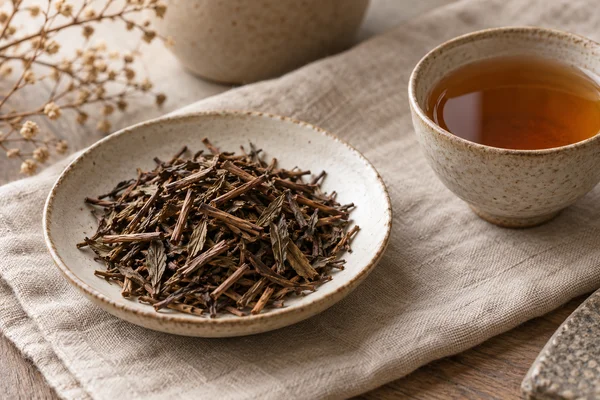
Hojicha's brown leaf and toasted aroma come from roasting. Its place in the green tea family can be surprising.
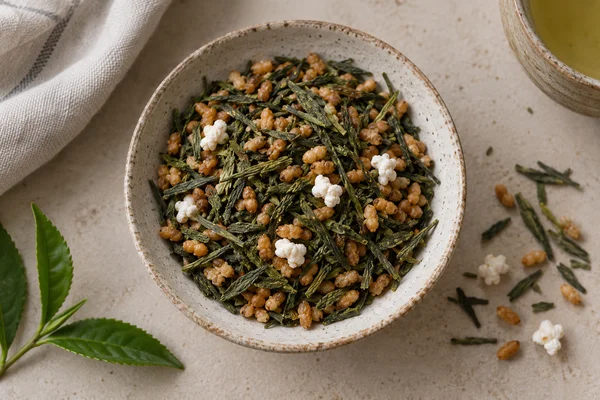
The toasted rice is not a decoration. It gives genmaicha a recognisable aroma and changes the balance of the cup.
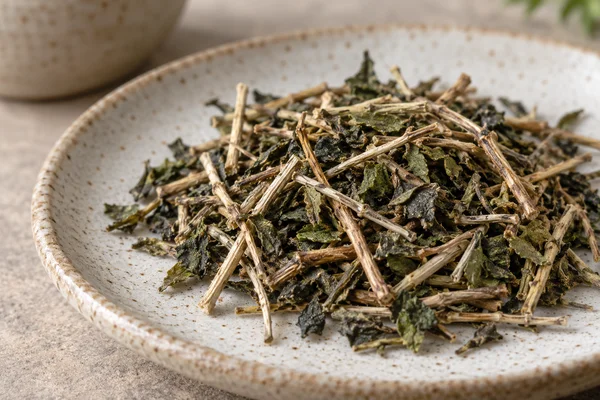
Stems can be the point of a tea, not an unwanted extra. Kukicha makes that clear in both appearance and flavour.
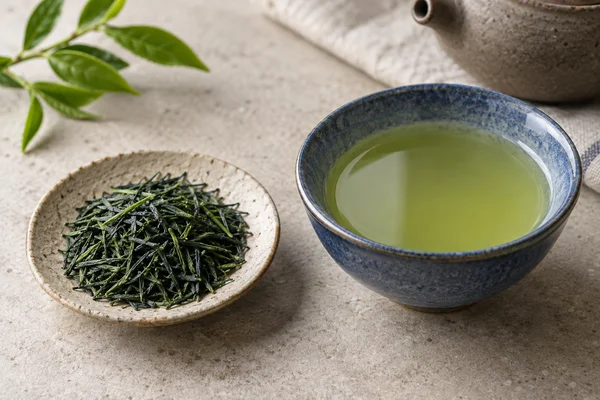
Kabusecha can connect sencha's freshness with a more rounded savoury note. The shading description needs context.
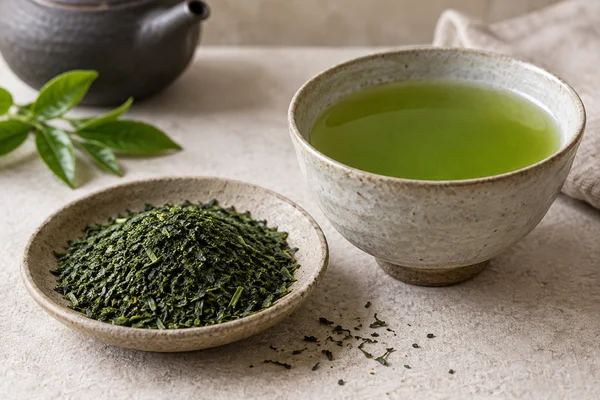
A cloudy green cup and fine leaf particles can be part of the intended style of deeply steamed sencha.
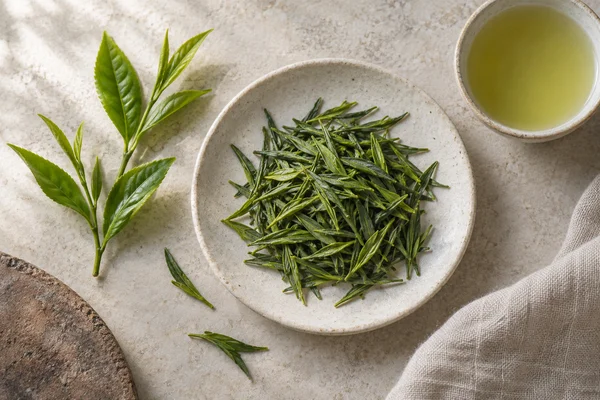
Shincha points to a newly released harvest. It is not a separate plant or a guarantee that every packet tastes alike.
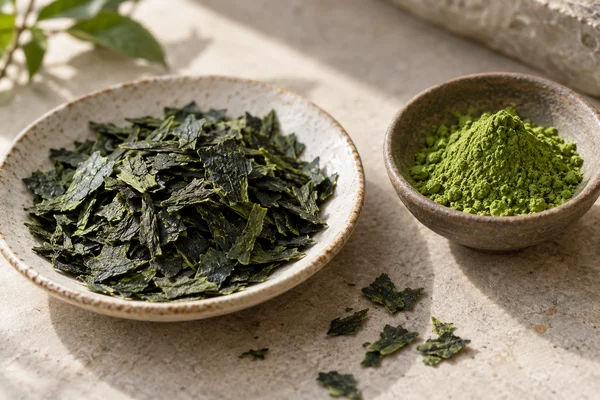
Before matcha becomes powder, it exists as a light, flaky leaf called tencha. Its shape reveals a different process from sencha.
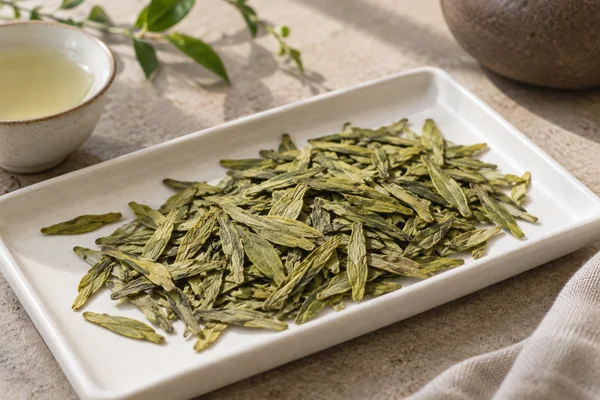
Longjing's flattened leaf is distinctive, but the best introduction is the relationship between its shape, aroma and cup.
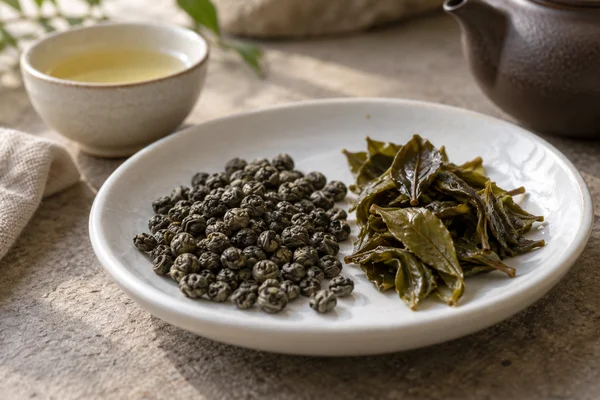
Gunpowder gets its name from its rolled shape. Those compact pellets change how a spoonful looks and opens.
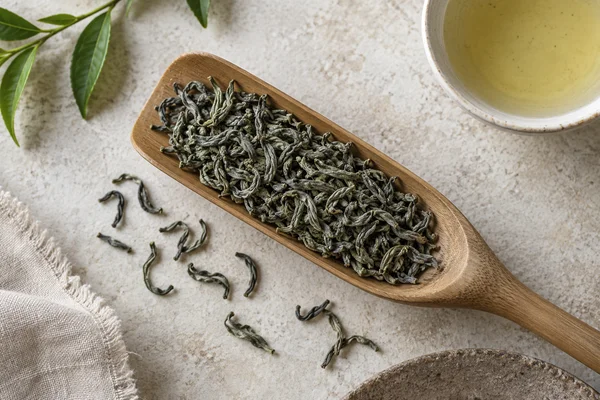
Chun Mee is named for a curved leaf shape. Its brisk green character deserves more attention than the translation alone.
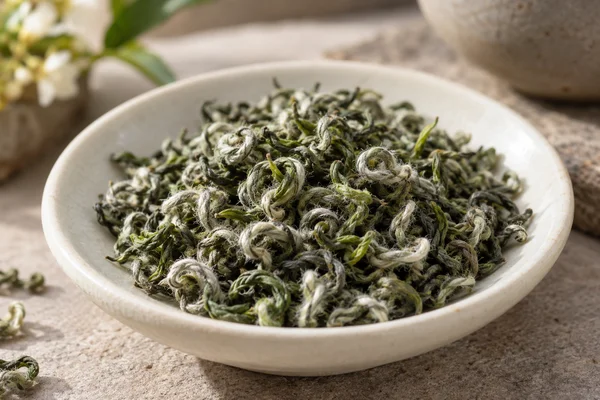
Small curls and fine down make Biluochun visually distinctive. Origin and leaf material explain why packets can differ.
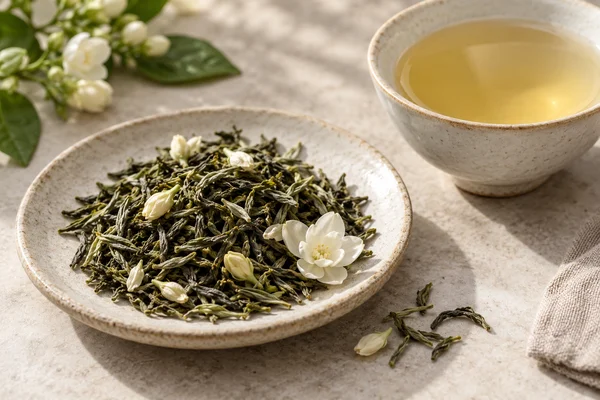
Most familiar jasmine tea combines a tea base with floral scent. It is not simply dried jasmine flowers in hot water.
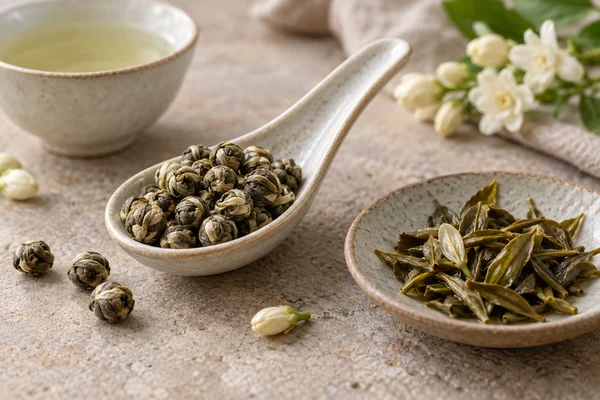
Jasmine pearls combine scenting with a rolled leaf shape. Their slow opening is useful to watch, but not a quality test by itself.
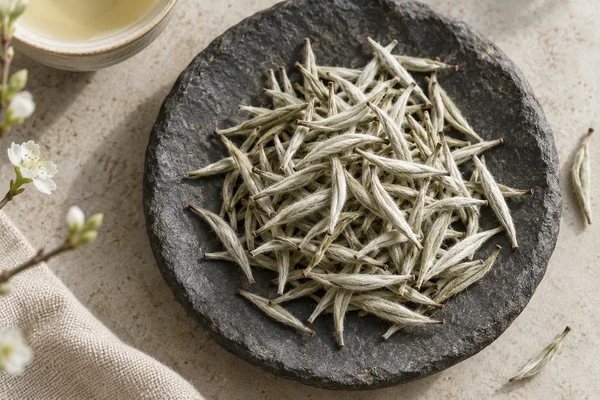
Silver Needle puts buds at the centre of the cup. Its fine appearance does not mean it needs to taste weak.
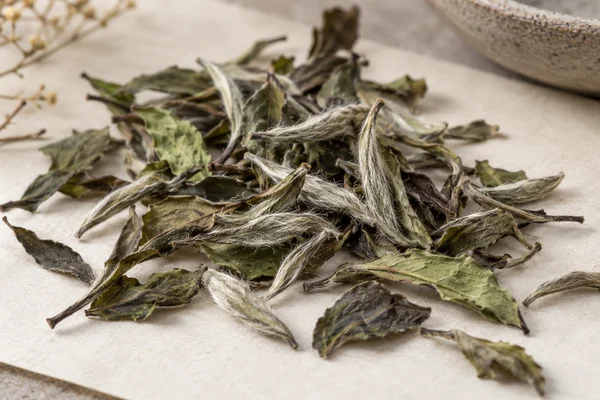
Bai Mu Dan combines buds and leaves. The mixed appearance is the beginning of its character, not a flaw to sort out.
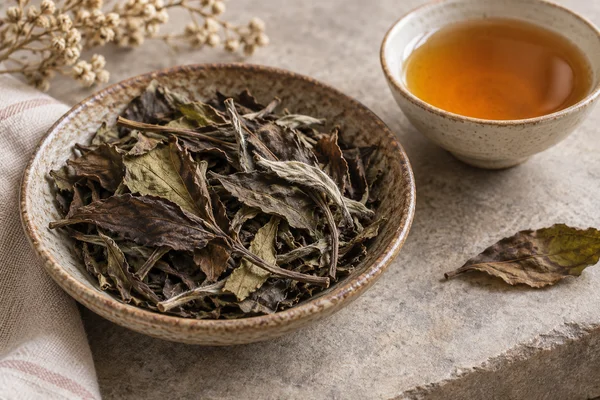
Shou Mei's broad, rustic leaves can make a rewarding white tea. Appearance grades should not replace your preference.
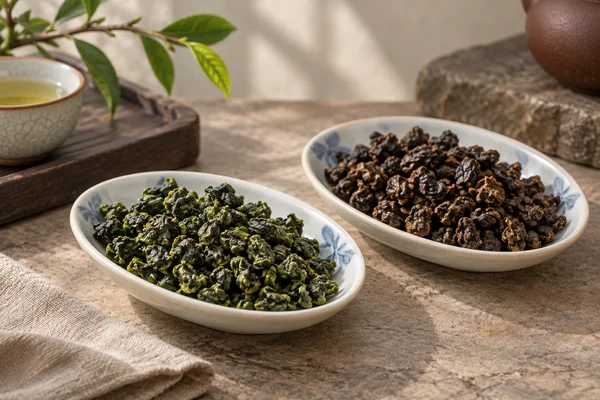
Tieguanyin may be fresh and floral or deeper and roasted. Ask about the style before expecting a familiar cup.
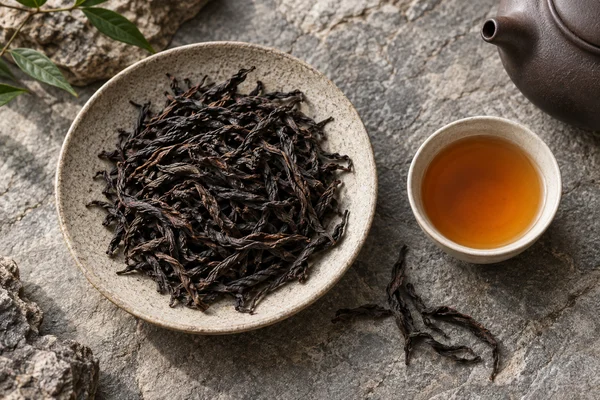
Rock tea is a family of Wuyi oolongs. Roast is part of the story, but the name does not promise a literal taste of stone.
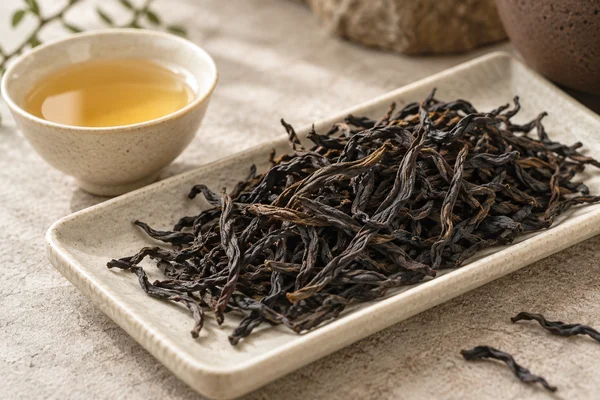
Dancong names often point towards fragrance. Honey, orchid and other words describe tea character rather than added ingredients.
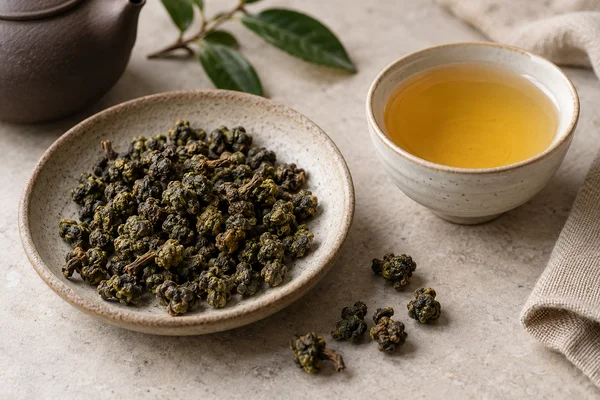
Dong Ding is closely associated with Taiwanese oolong and roasting, but the roast level is worth asking about.
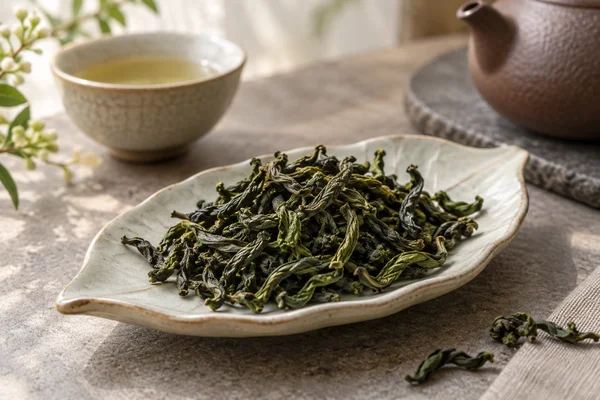
Baozhong shows the lighter side of oolong, with loosely twisted leaves and fragrance that can feel close to green tea.
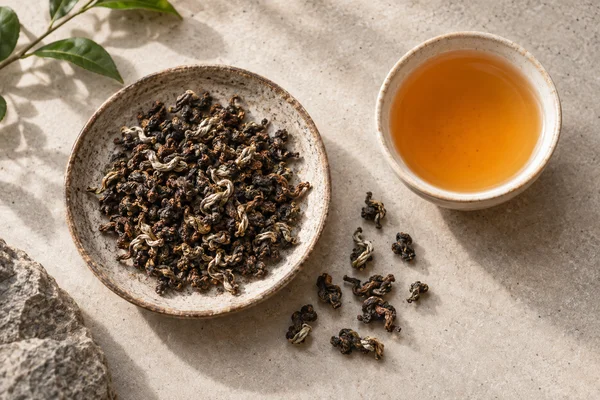
The mixed colours of Oriental Beauty belong to a distinctive Taiwanese oolong. Honey-like aroma does not mean added honey.
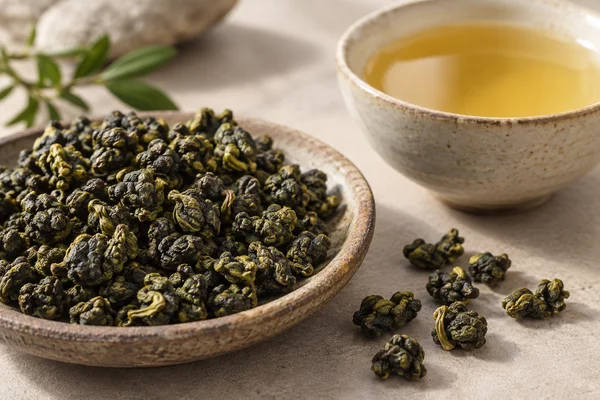
Jin Xuan can have a naturally creamy impression. Milk oolong on a label still deserves an ingredient check.
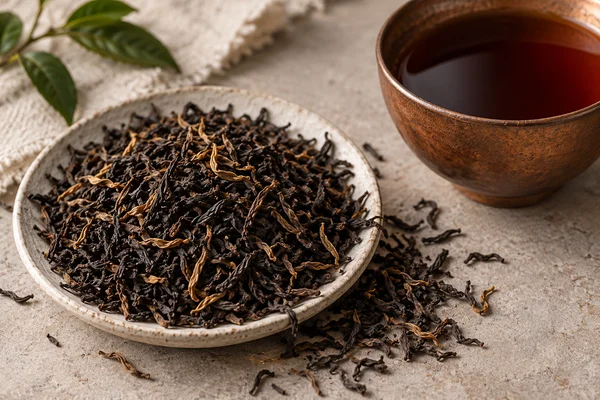
Malt is a useful clue to Assam, provided it does not become a rule for every tea from this large region.
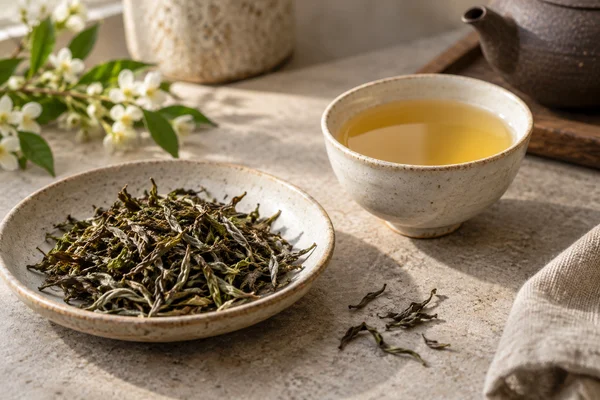
Pale liquor and greenish leaves do not disqualify a first flush Darjeeling from being a black tea.
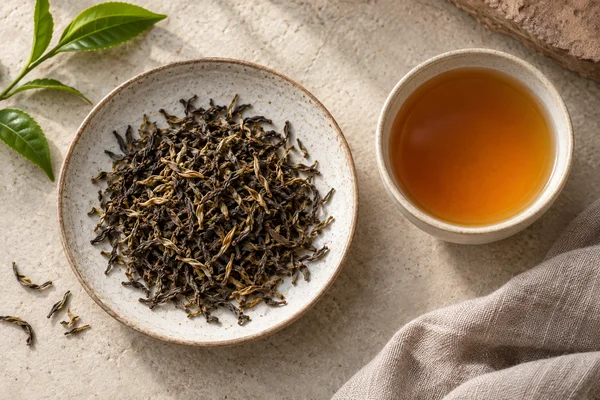
Muscatel describes a grape-like impression, not added wine and not a promise made by every summer harvest.
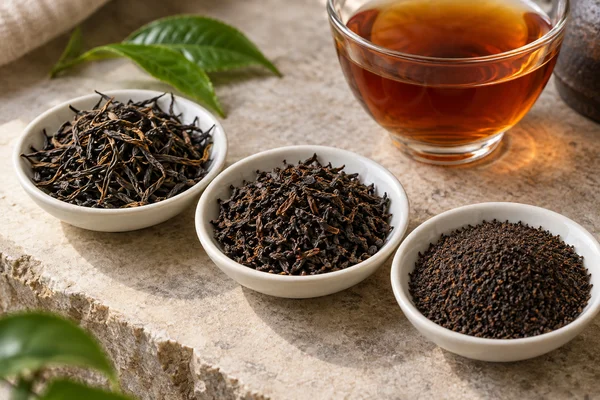
Sri Lanka's black teas range from delicate and fragrant to dark and substantial; Ceylon does not name one blend.
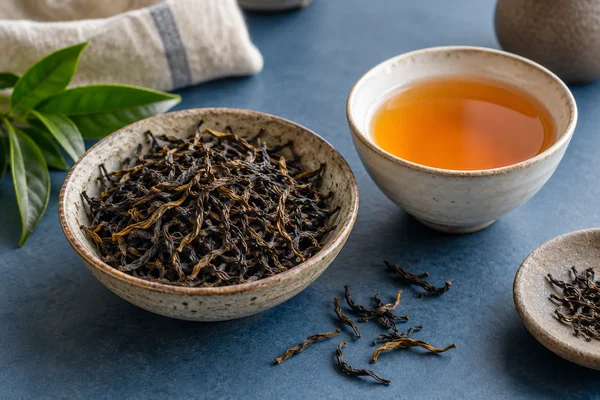
Nilgiri belongs to southern India and often offers a fragrant, bright alternative to a heavy black-tea profile.
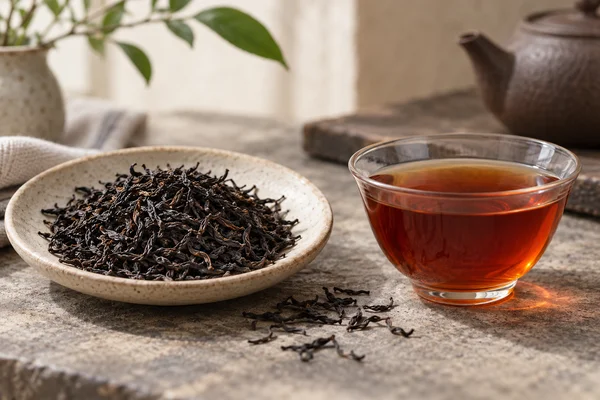
Keemun's fine dark leaf can give a quietly fragrant cup rather than the forceful strength its colour suggests.
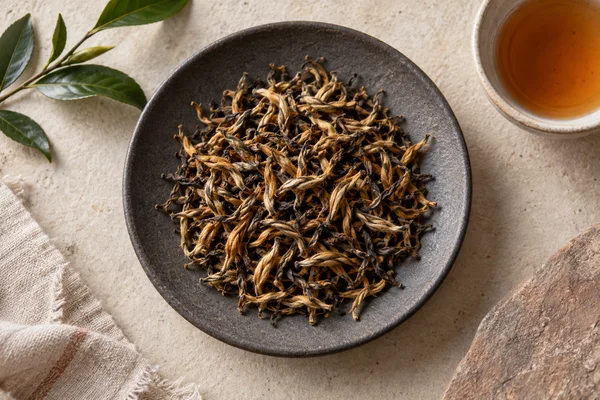
Golden buds make Dian Hong visually distinctive, but their colour is only the beginning of the description.
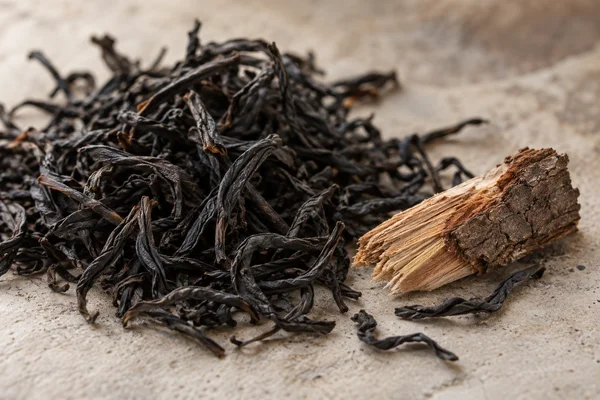
The name Lapsang Souchong covers smoked and unsmoked expressions, so the smoke level needs its own description.
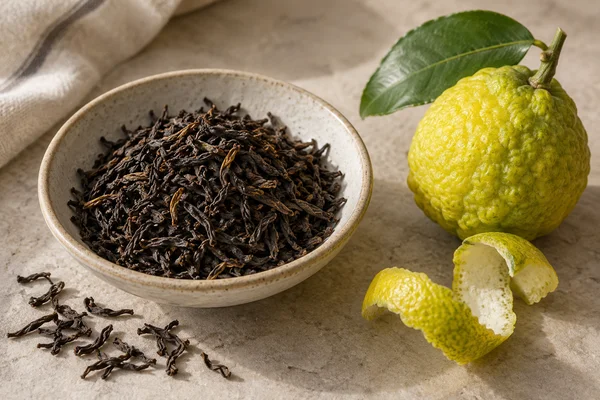
Bergamot gives Earl Grey its recognisable citrus fragrance, while the tea beneath it still shapes the cup.
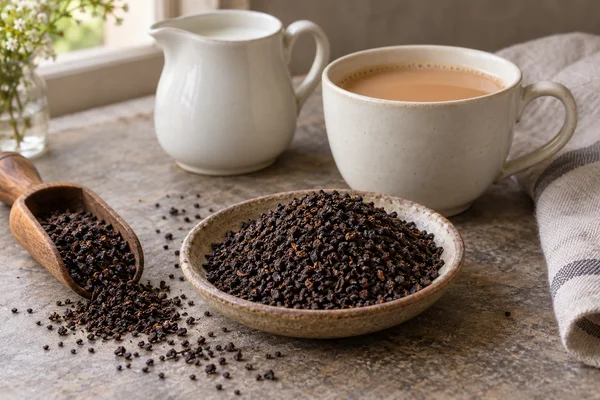
Breakfast blends combine black teas to achieve a dependable cup, but the name does not prescribe one recipe.
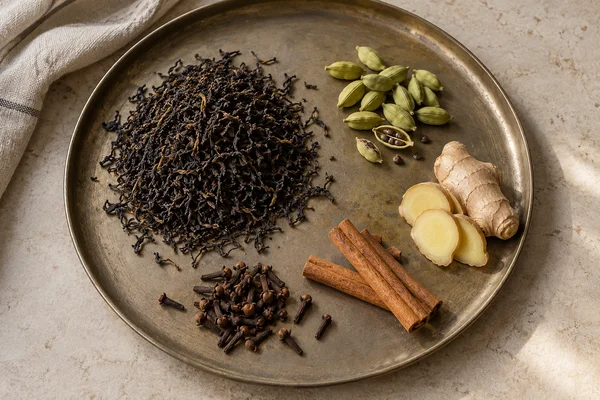
Tea supplies the backbone of masala chai; the spices create several separate layers of aroma.
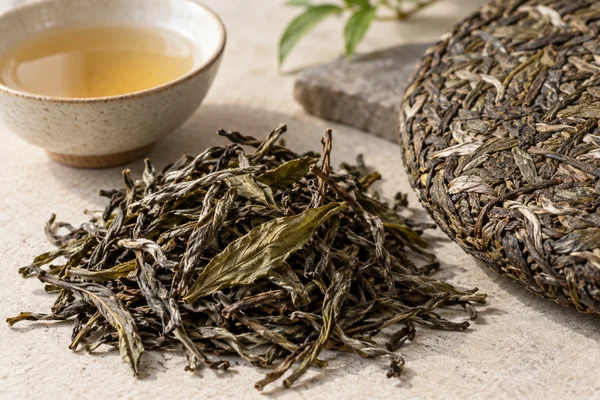
Young sheng can be bright and forceful. It should not be judged against the dark profile of pile-fermented shou.
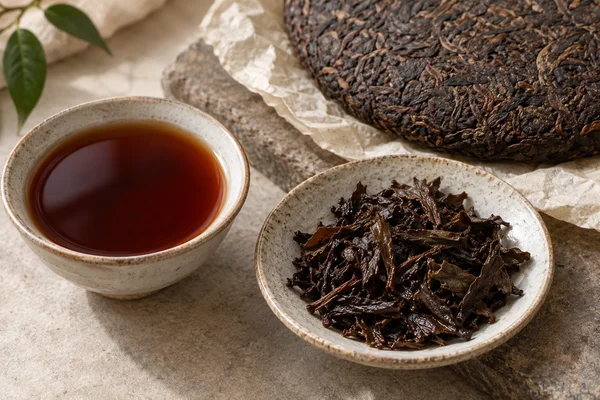
Shou's dark colour comes with a distinct processing history. Earthy can be inviting, but it should not excuse every off smell.
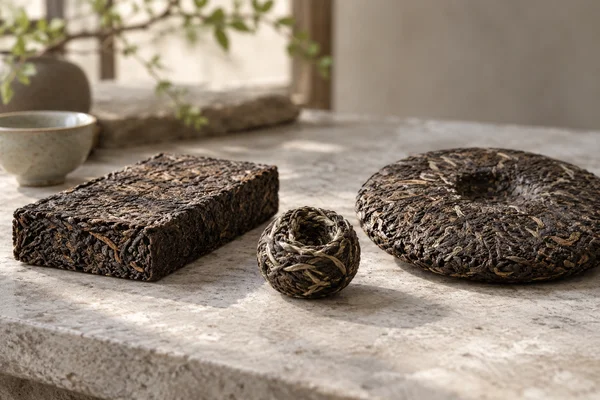
Cakes, bricks and nests tell you how tea is formed. They do not identify its processing category by themselves.
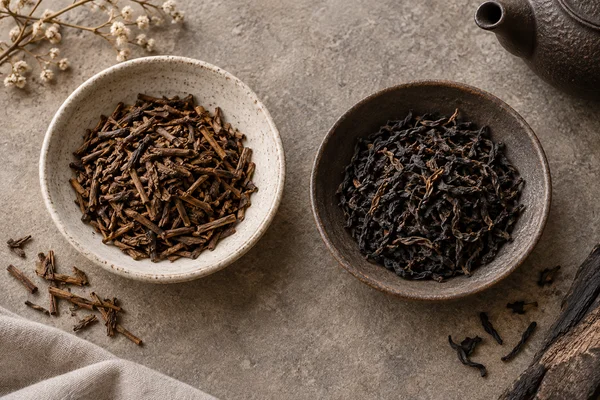
Toasted warmth and smoke can overlap in everyday language, but they describe different influences on a tea.
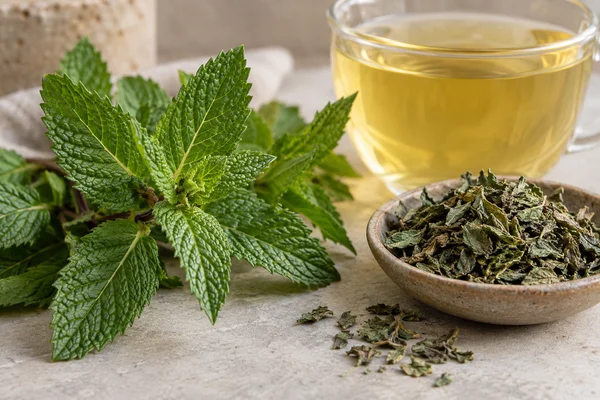
Peppermint's cool impression sits on top of a leafy herbal flavour; it is not the same as a chilled drink.
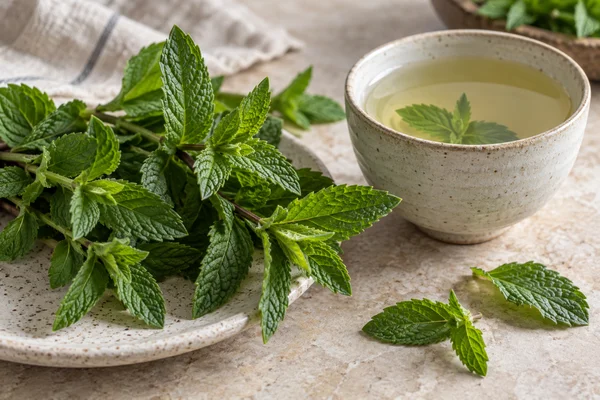
Spearmint offers an aromatic, sweet-seeming freshness that differs from peppermint's sharper cooling edge.
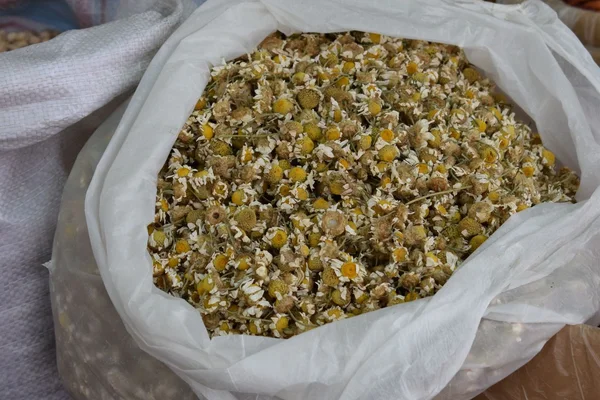
Chamomile's small flower heads give a cup that can be floral, hay-like and gently bitter as well as sweet-smelling.
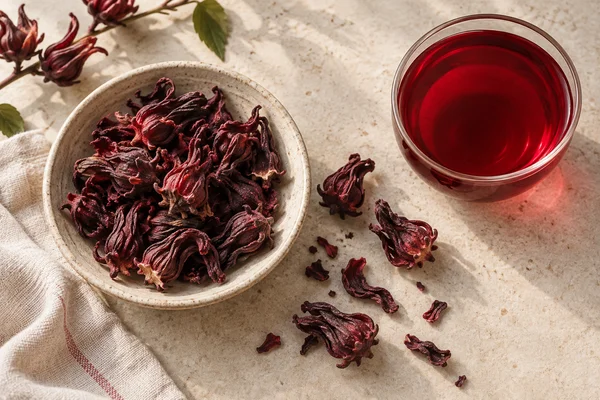
The red material used for hibiscus infusion is the calyx of roselle, bringing both colour and a pronounced tart taste.
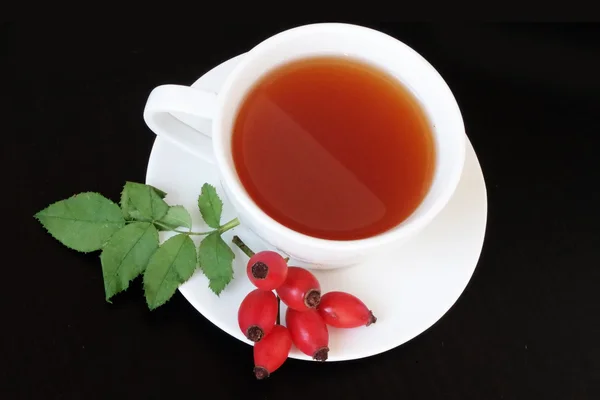
Rosehip supplies a rounded fruit character; the bright red of many rosehip blends often comes partly from hibiscus.
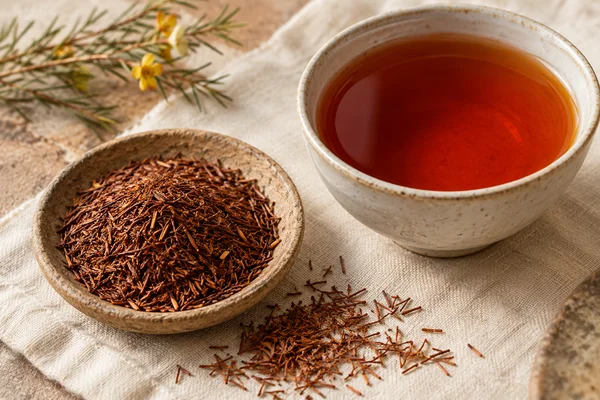
Rooibos comes from a South African shrub, giving a reddish cup with a character distinct from black tea.
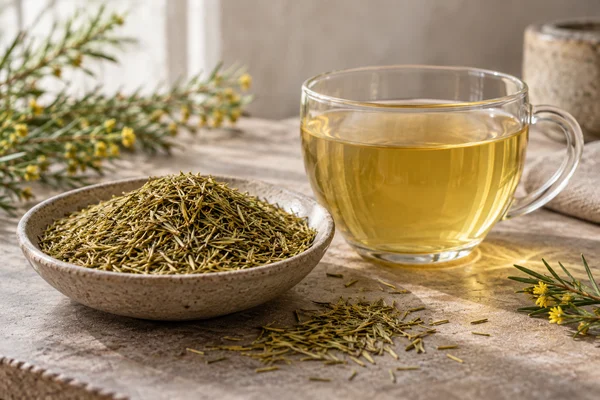
Green rooibos is a less-oxidised expression of the same plant, with a lighter colour and a fresher herbal direction.
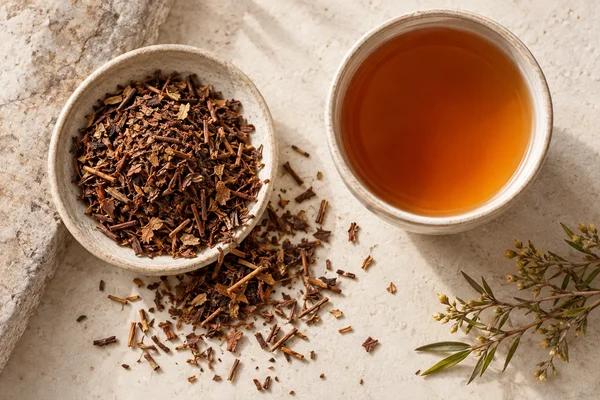
Honeybush is its own South African botanical, with floral and fruity variation hidden behind a sweet-sounding name.
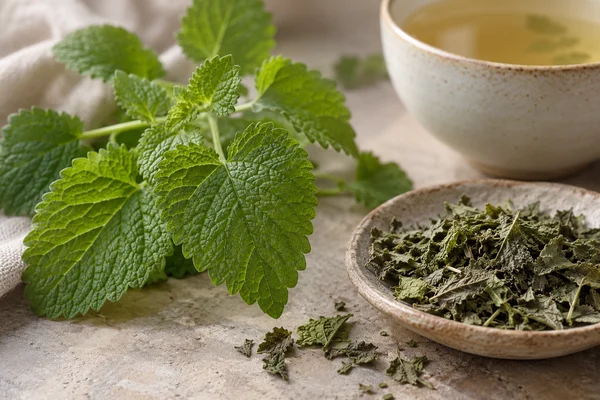
Lemon balm gives a soft citrus-herbal scent without supplying the sharp acidity of lemon juice.
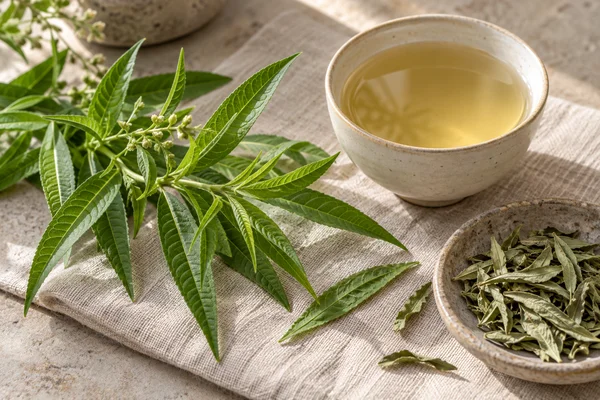
Lemon verbena's long leaves carry a distinct citrus perfume with a herbal and sometimes floral background.
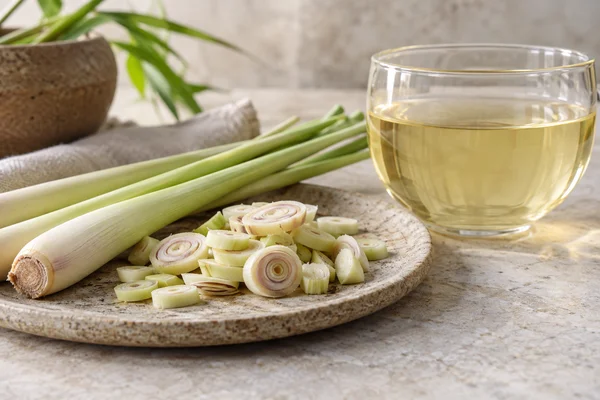
Lemongrass brings a clean citrus aroma from fibrous grass material, with little resemblance to the sourness of lemon juice.
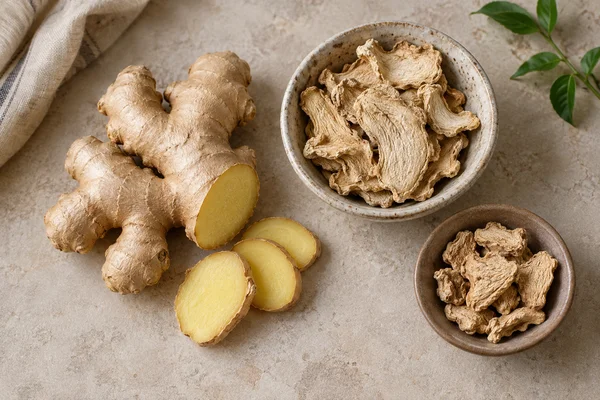
Fresh slices and dried ginger share an ingredient, but their texture, concentration and aromatic balance are not identical.
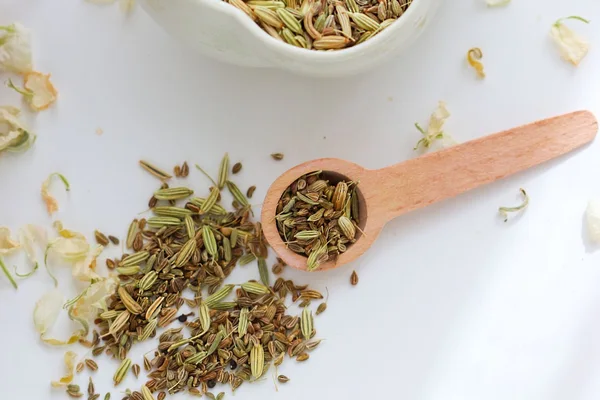
Fennel's small ridged fruits give an anise-like sweetness with a rounded herbal background.
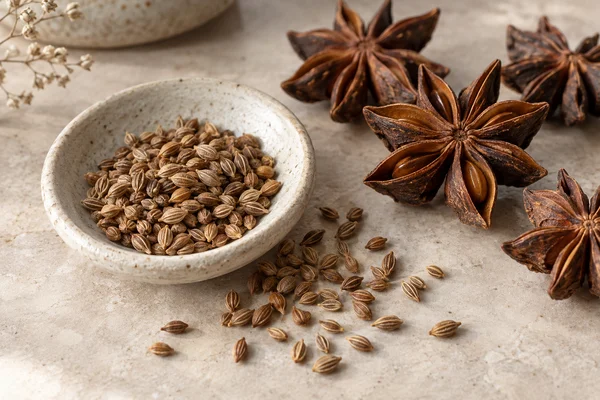
Anise and star anise share a sweet aromatic resemblance, but they come from different plants and have different forms.
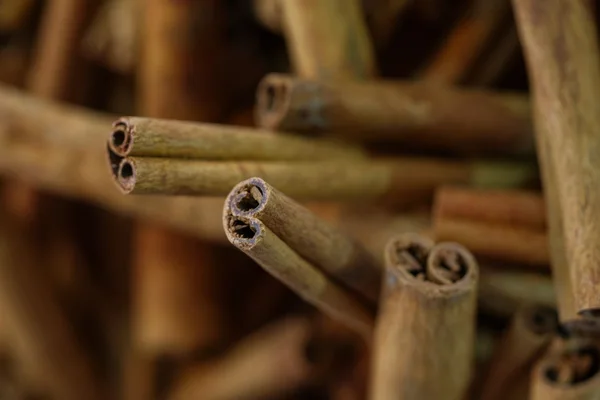
Cinnamon contributes bark, warmth and a sweet-smelling aroma; it does not need to make an infusion sugary.
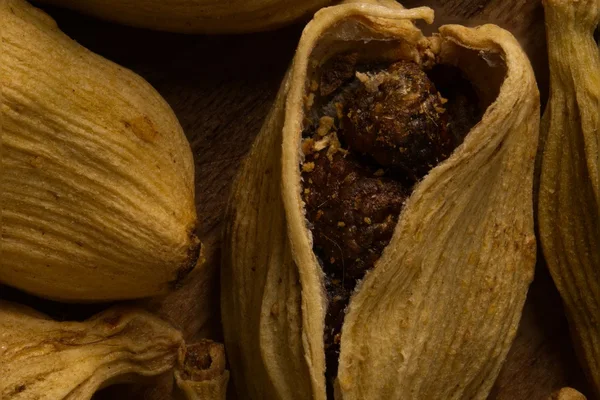
The small dark seeds inside green cardamom pods hold the spice's lively, sweet and citrus-like character.
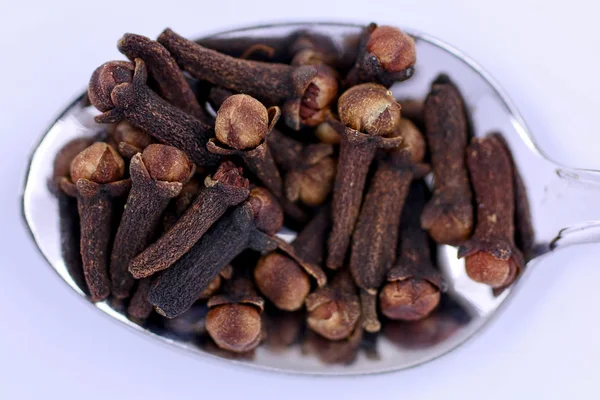
Cloves are dried flower buds whose forceful fragrance can dominate a spice infusion long before they dominate its volume.
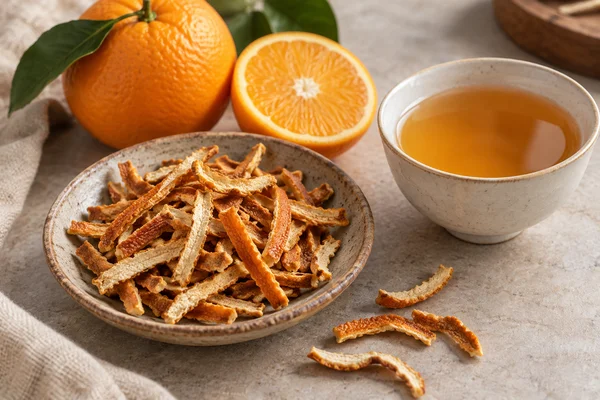
Orange peel offers a citrus fragrance and a possible bitter edge, a different contribution from orange juice or blossom.
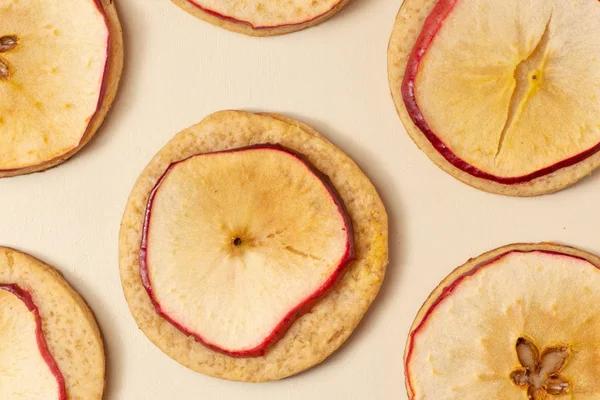
Dried apple often supplies the quiet middle of a fruit infusion, even when a more colourful ingredient leads the label.
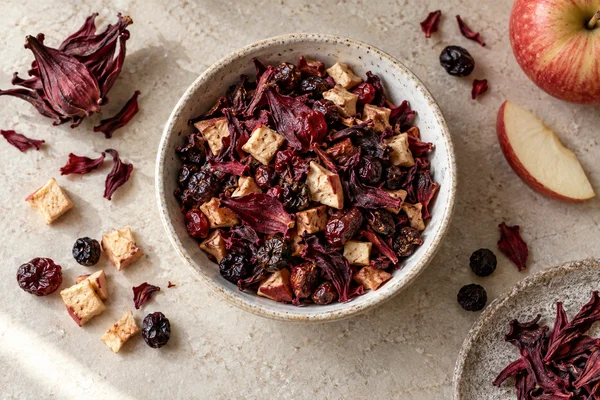
A berry name describes the intended flavour, while the ingredient list reveals which fruits and botanicals build it.
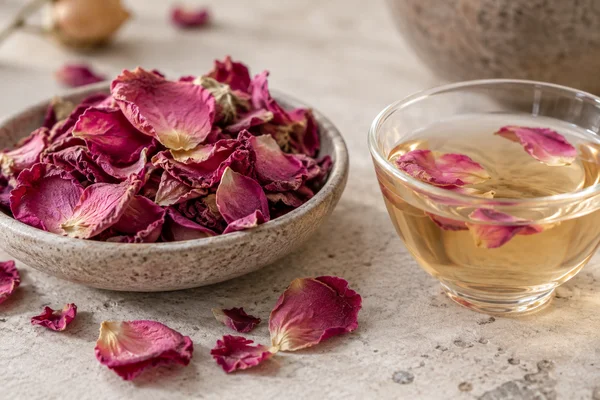
Rose petals can add a clear floral note, but their colour and visual abundance do not predict the strength of the cup.
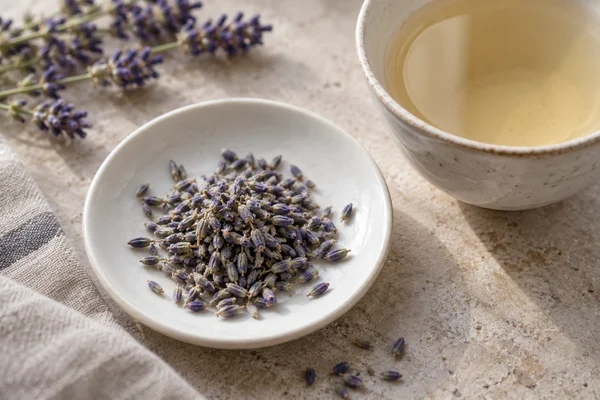
Lavender's small flowers can leave a large aromatic impression, so balance matters more than a generous-looking handful.
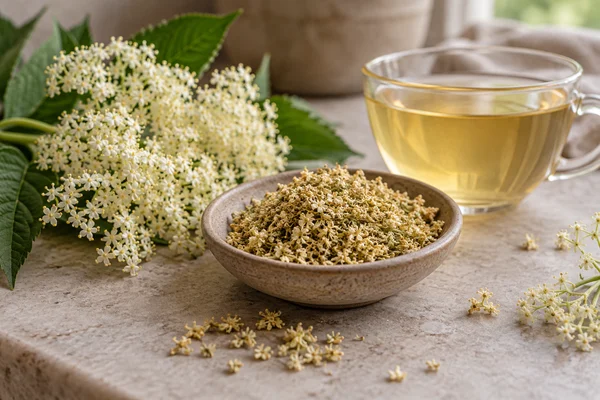
Dried elderflower gives a gentle floral cup whose character is different from the sweetness of elderflower cordial.
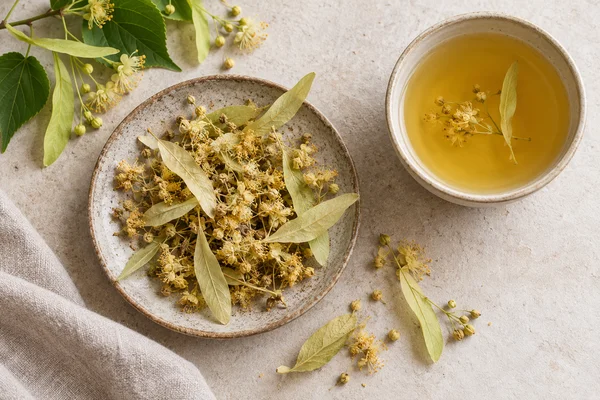
The pale leaf-like pieces in linden blossom are often bracts belonging to the flower cluster, not stray tea leaves.

Sage gives an infusion a distinctly savoury herbal character, far from the fruit-and-flower expectation of many herbal teas.
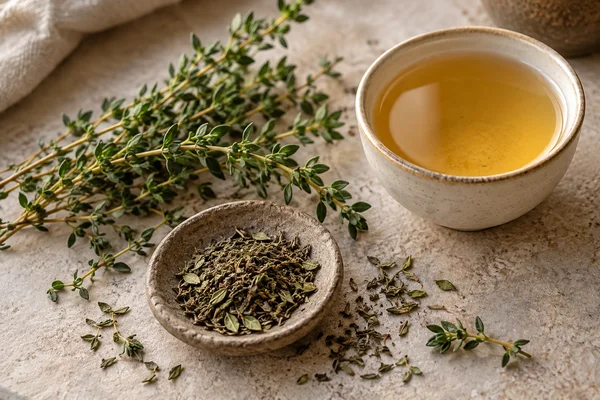
Thyme's tiny leaves bring a firm culinary-herb aroma, with a dry edge that differs from mint or soft flowers.
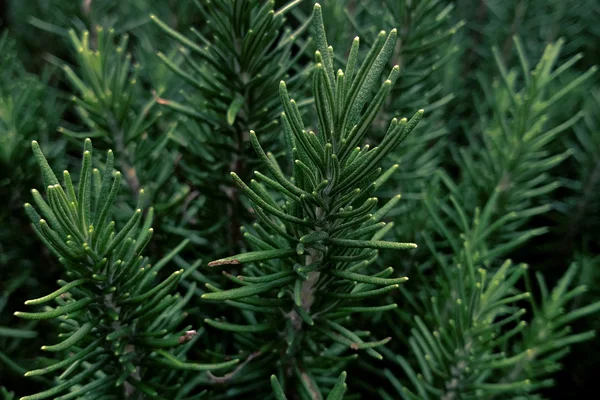
Rosemary's needle-like leaves carry a resinous, savoury fragrance that gives herbal blends a very different direction from citrus or flowers.
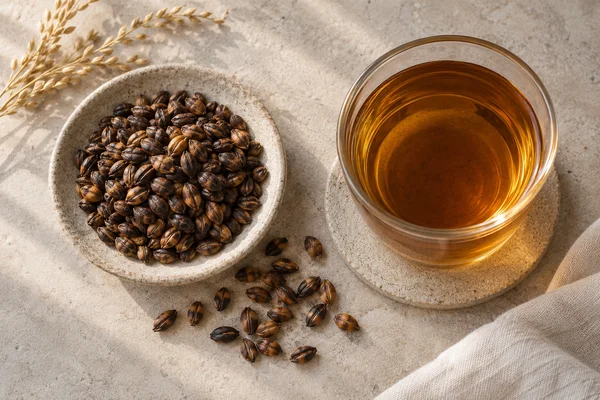
Mugicha is made from roasted barley, giving a cereal-like aroma without the tea leaf found in hojicha or genmaicha.
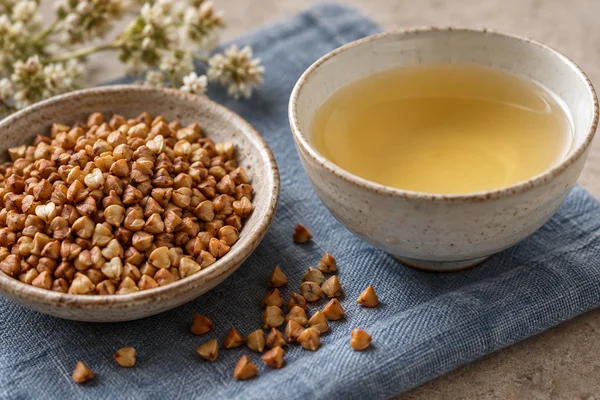
Sobacha's toasted aroma comes from buckwheat, a seed used like grain rather than a form of wheat or tea leaf.
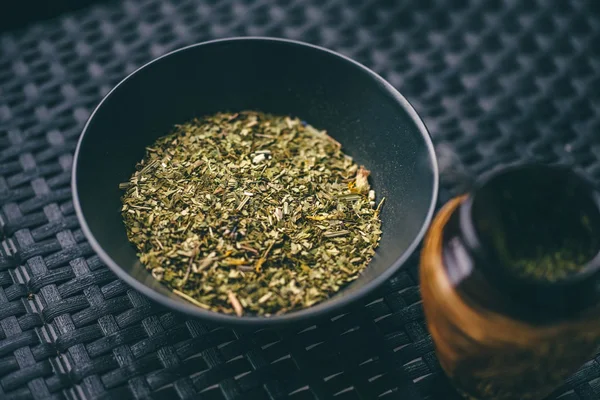
Yerba mate comes from a different plant than tea, yet it naturally contains caffeine and should not be grouped with caffeine-free herbs.