Allow for the water in melting ice
Melting ice is an ingredient, not just a way to chill the glass. Include it when judging how strong an iced tea should begin.
The drink keeps gaining water
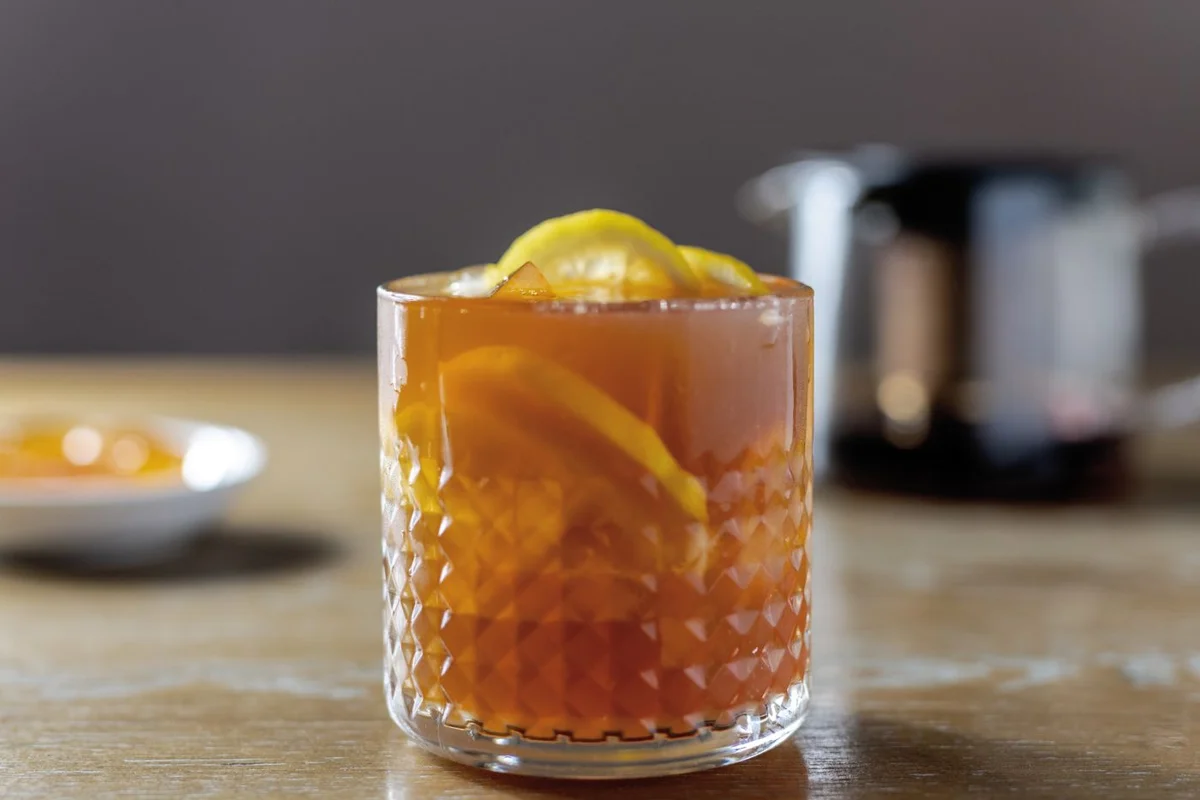
A glass can taste wonderfully concentrated just after pouring and noticeably thin ten minutes later. If it contains a lot of ice, that change may have little to do with the tea leaves. The cubes are becoming part of the drink. Thinking about ice as water helps explain why a hot tea recipe and an iced tea recipe for the same final glass may use different proportions.
Decide whether the ice is meant to cool hot tea rapidly or merely keep already chilled tea cold. Those jobs melt different amounts. Pouring hot liquid over ice uses much of the ice for cooling, while a chilled drink usually changes more slowly. The size of the cubes and the warmth of the room also matter, so a fixed cube count is only a rough measure when trays vary.
Make one measured test
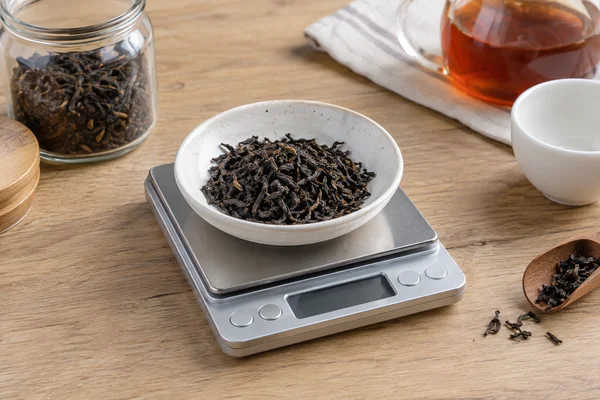
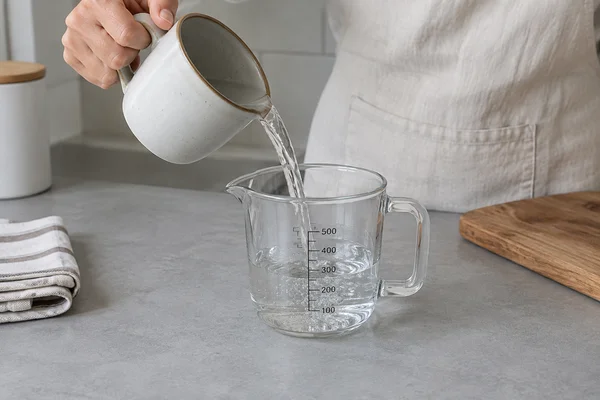
For a repeatable trial, measure the hot tea and weigh the ice made from safe drinking water. Use a recipe intended for this preparation and equipment suitable for the temperature change. After the drink is fully mixed, taste it cold and note the final amount. If the flavour is too light, adjust the tea concentration on the next attempt rather than simply adding more sugar to make the drink seem fuller.
Increasing concentration does not have to mean a very long steep. A suitable recipe may use more leaf for a smaller hot-water portion, with the later melted ice supplying the rest of the water. Keep the tea's required preparation conditions intact, particularly for ordinary herbal or fruit infusions. Remove the leaves before cooling so that dilution and continuing extraction are not happening unpredictably together.
Serve with the pace of drinking in mind
A small glass finished promptly may need a different balance from a large tumbler carried around a warm garden. You can chill the tea first and use a modest amount of serving ice when you want less immediate dilution. Keep the prepared drink refrigerated until serving and use clean ice-handling utensils. If you add lemon or sweetener, evaluate those after the ice has done most of its cooling work. The final cold drink is the recipe's destination, not the strong warm sample you tasted before pouring.