Know which vessel heats and which brews
One heats the water; the other holds the infusion. Confusing those jobs can damage equipment that looks perfectly sturdy.
Follow the job, not the name
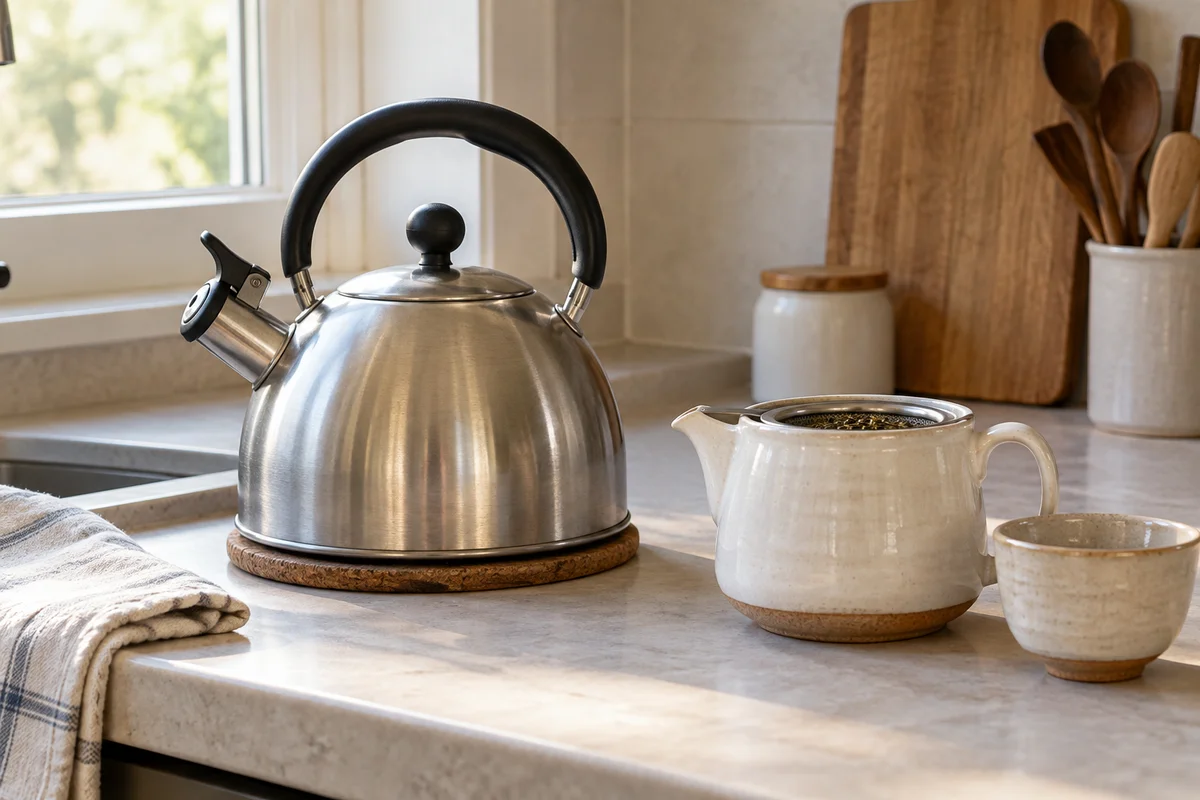
An electric kettle has a heating system designed to bring water to the required condition. A stovetop kettle is made for a specified kind of cooker. A teapot normally holds leaves and water while tea infuses, then helps you pour the finished drink. Product names and shapes are not enough to tell those jobs apart. A heavy metal pot may have an interior coating that rules out stovetop use. A glass pot may be safe for hot water but unsuitable for direct heat. Check the maker's explicit instructions before putting any vessel on a hob, induction plate or warmer. Being able to hold a boiling drink is not the same as being approved to heat over a burner.
The distinction also matters inside an electric kettle. Unless the particular appliance is designed to brew ingredients, heat water only. Loose leaves can enter openings or settle around parts that were never intended to be cleaned of tea residue. Adding milk, sugar or a fruit mixture changes the task even further. A separate pot or mug keeps those ingredients away from the heating appliance and makes the infusion easier to stop.
Choose the combination around your cup
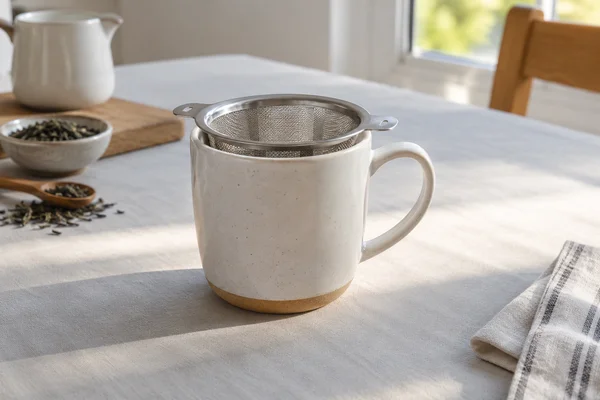
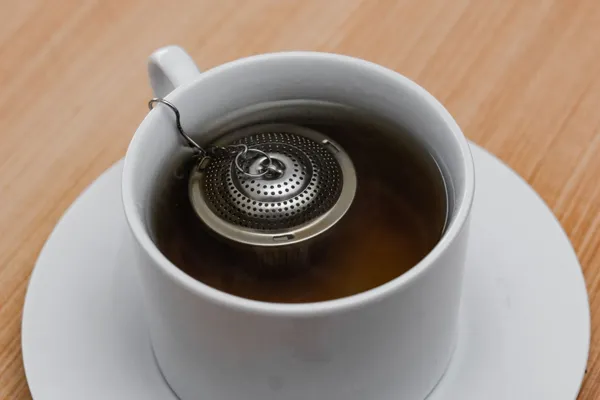
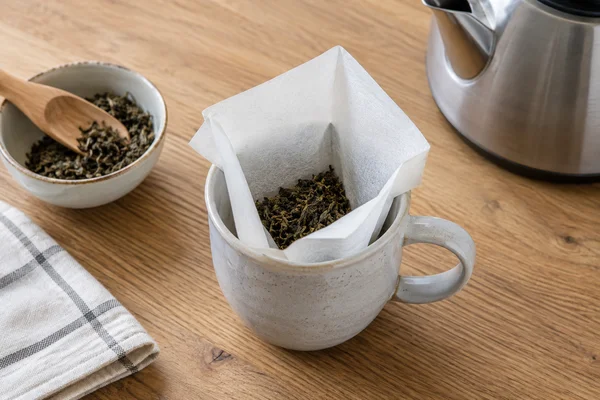
For one serving, a mug with a suitable removable basket can do the brewing job without a teapot. For several people, a pot may be easier to share. Neither arrangement requires a matching kettle. Choose the water-heating device for your power source, usable capacity and handling, then choose the brewing vessel for its leaf space, pouring and cleaning. Check each piece independently rather than assuming that two products sold in the same colour have matching capabilities.
In a small kitchen, keeping the jobs separate can actually reduce equipment. The existing kettle may already be suitable, leaving only an infuser to add. If you want an appliance that heats and brews in one vessel, read how its basket, temperature settings and cleaning process work before replacing your current setup. Convenience comes from a clear sequence you can manage: heat the water safely, infuse the tea as intended and separate the leaves when it is ready. The number of vessels is secondary to those functions.