A leaf rinse is not a cleaning guarantee
A brief rinse appears in some brewing traditions, but it cannot certify tea as clean, safe or caffeine-free.
Understand what the rinse is for
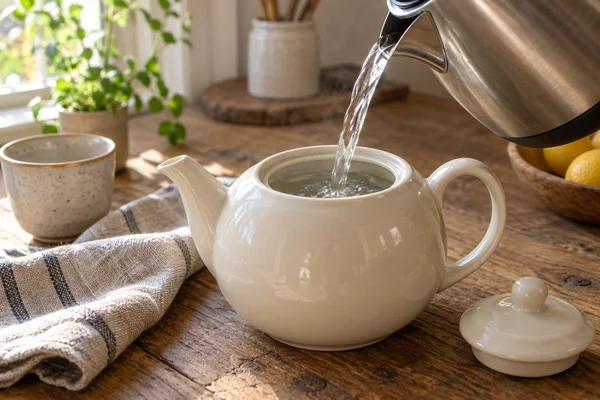
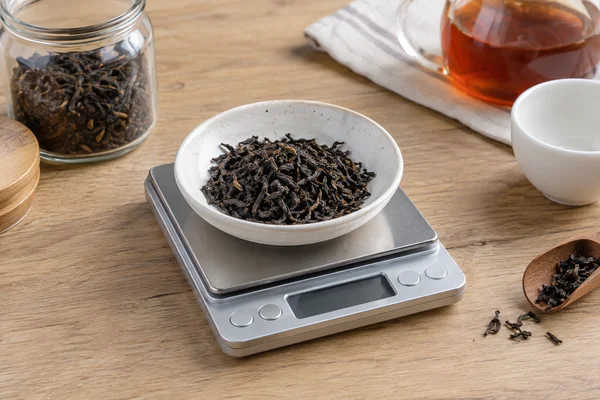
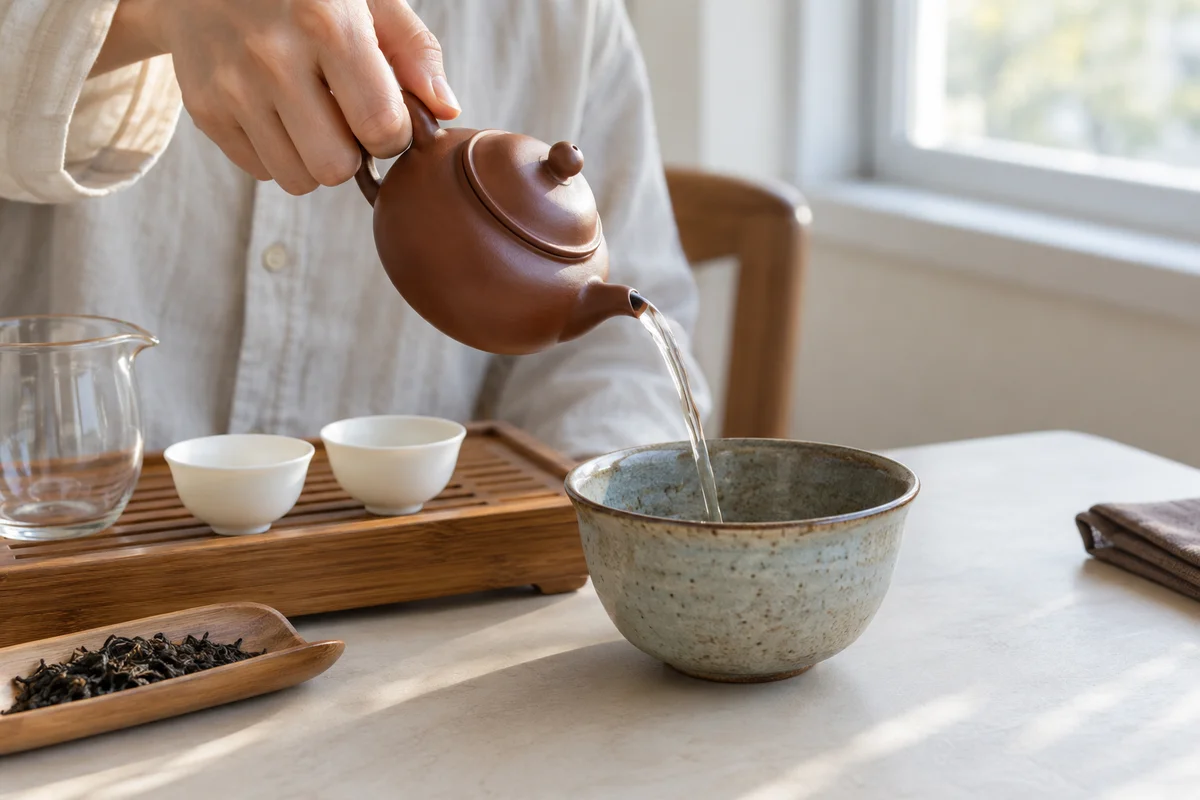
Some instructions for compact or rolled teas begin with a brief contact with hot water that is then discarded. This can wet the leaves and prepare them for the following infusion. Other teas are brewed directly without this step. Follow the method supplied for the particular tea rather than adding a rinse automatically to every packet that reaches the kitchen.
A rinse also removes some soluble material, so it changes what remains for the next cup. If you are comparing two methods, record whether one included this first discarded liquid. Otherwise you may attribute differences entirely to the main steeping time while overlooking an earlier extraction. The choice is part of the recipe, not a neutral action that leaves the tea unchanged.
Do not ask it to do a different job
A few seconds of rinsing cannot demonstrate that a tea is free of contaminants or microorganisms. It is not a substitute for buying food from a reliable supplier, storing it appropriately or following its preparation instructions. Nor is a quick rinse a reliable way to make ordinary tea caffeine-free. Avoid using those claims to decide what to serve to someone who needs a particular caffeine limit or preparation precaution.
For ordinary herbal and fruit infusions, the required boiling-water preparation and minimum steep still apply. A brief rinse followed by a lukewarm infusion does not replace them. If a product looks spoiled, smells wrong or has been stored under unsuitable conditions, rinsing is not a reason to use it anyway. Treat the product's condition as a separate issue from the preferred brewing style.
Keep the handling simple
If the recipe calls for a rinse, have a stable waste bowl ready and pour the liquid away carefully. Keep your hands clear of steam and avoid overfilling the brewing vessel. Drain as the method directs, then start the actual infusion with fresh water at the recommended temperature. When learning a new tea, compare the supplier's approach first. You can later decide whether a rinse contributes to a cup you enjoy, without turning a small preparatory step into a promise it cannot support.