Compare water before replacing your tea
Water is worth comparing when a familiar tea tastes flat or different in another kitchen. Use a small controlled trial before buying equipment.
Start with the water you already drink
Taste your usual drinking water on its own before heating it. If it has a noticeable odour or flavour, that is useful context for the tea, although a plain-water preference does not predict every brewing result. Use safe drinking water and check local supply advice if there is an actual water-quality concern. A disappointing tea is not, by itself, a test of whether the household water is safe.
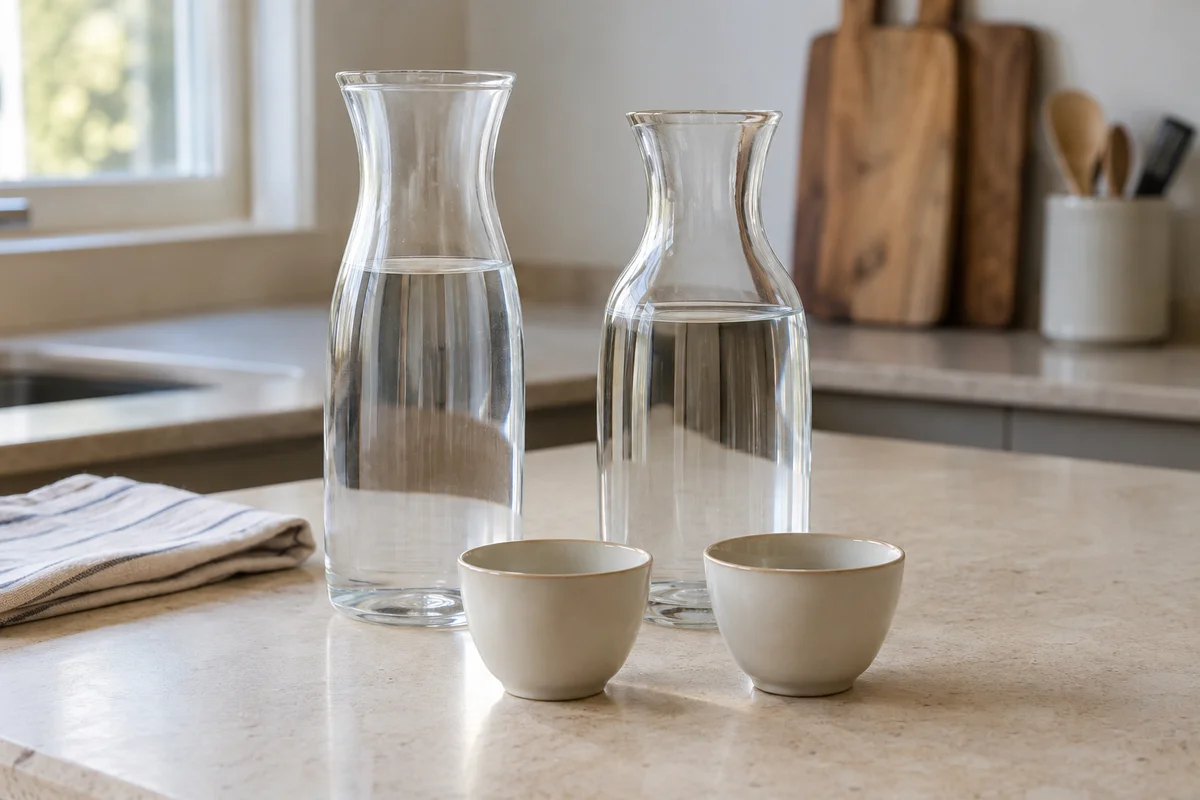
Mineral composition can influence the appearance and flavour of tea. Rather than assuming every bottled water is an improvement, choose one suitable alternative and compare. A still water with a different mineral profile may produce a noticeable change; a highly mineralised water can bring its own character. There is no need to collect a row of expensive bottles before you know whether water is the issue.
Give both waters the same job
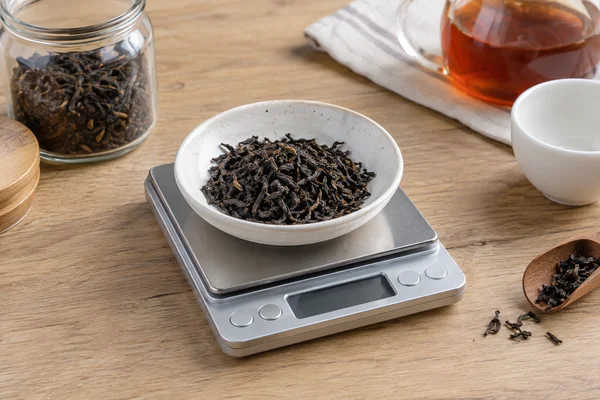
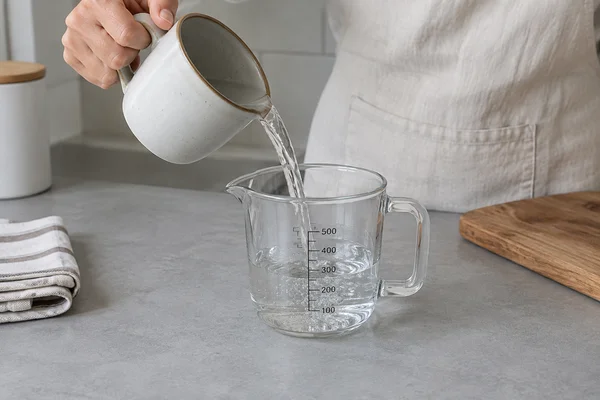
Brew two small portions of the same tea using equal leaf weights and water volumes. Use similar vessels, the same starting temperature and the same contact time. Label the cups discreetly so you can keep track, then taste them at a comfortable temperature. If the first cup was made much earlier and has cooled more, wait until the comparison is reasonably fair before deciding which you prefer.
Note concrete differences: a clearer aroma, a fuller body, a more drying finish or a visible surface film. Do not reduce the result to one water being universally best. The choice that suits a brisk breakfast blend may not be your favourite with a delicate green tea. If the difference is small, the convenience of your ordinary water may matter more than a theoretical ideal.
If you use a filter, maintain it
A household filter must be used, cleaned and replaced according to its maker's instructions. It is not a permanent solution that can be ignored once installed, and not every filter changes the same properties of water. Check what the product is designed to do before expecting it to soften water. Keep the rest of the brewing routine simple while testing it. Once you find a combination you enjoy, record the water choice alongside the tea recipe, especially if you often brew the same leaves at home and at work.