The pour is part of the brewing time
Leaves keep brewing while tea leaves the pot. A slow or blocked spout can change a short infusion more than you expect.
The last cup has waited longer
When a teapot takes half a minute to empty, the water at the bottom remains with the leaves after the first cup has already been filled. That difference may be small in a leisurely large-pot brew, but it is substantial when the planned infusion itself lasts only a few seconds. The pour is therefore worth noticing, especially when learning to use a small pot or gaiwan.
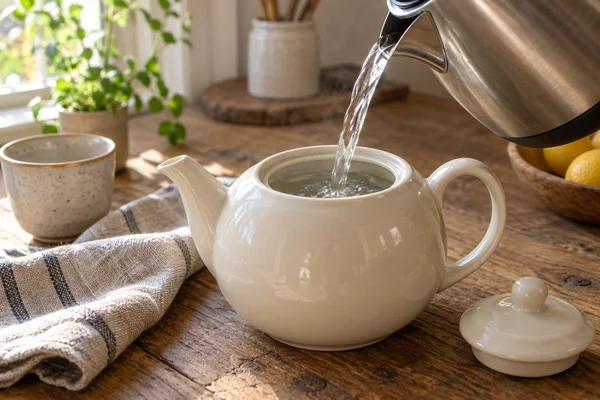
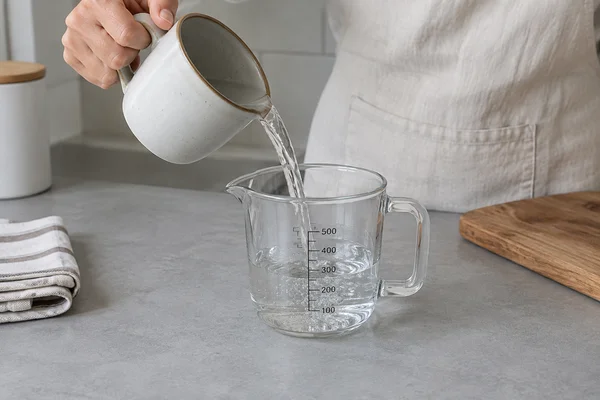
Try a simple observation with cool water before adding tea. Fill the vessel to its ordinary working level and pour into a pitcher that can hold the whole amount. Notice whether the stream is steady, whether the lid needs a particular position and whether the final water drains easily. This is also a useful way to discover an awkward handle without hot liquid making the experiment stressful.
Keep the exit clear
With tea inside, small leaf particles may gather against the strainer and slow the flow. Do not shake a hot vessel vigorously or tilt it beyond a grip you can control. Finish safely, then inspect the filter after everything has cooled. A pot suited to broad leaves may be less convenient with finely broken tea. The answer can be a different basket or vessel rather than an ever more complicated pouring technique.
For a recipe you brew repeatedly, use a similar filling and pouring rhythm each time. If the cup is consistently too strong, shorten the pause before pouring on the next attempt rather than rushing the hot pour itself. Record whether your stated time includes the emptying stage. That small note is valuable when sharing a recipe with someone whose pot drains much faster than yours.
Collect before dividing
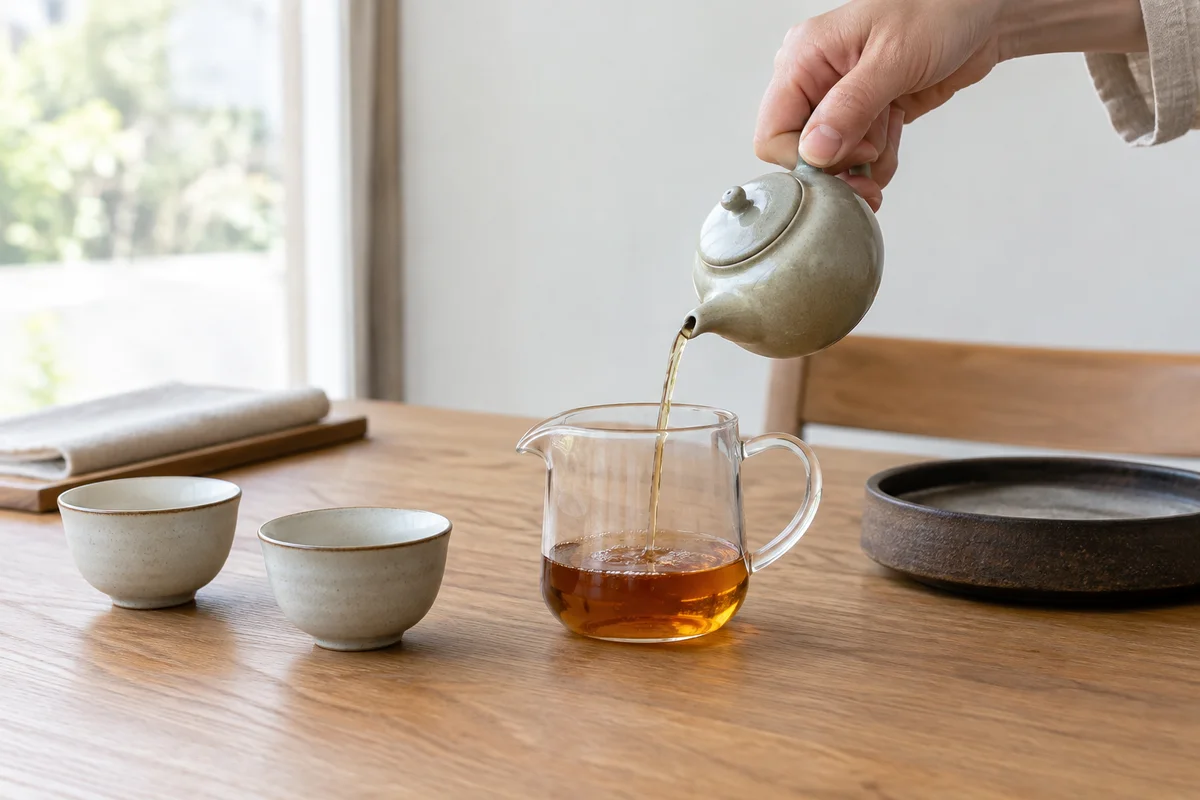
A serving pitcher lets the whole infusion mix before you distribute it among cups. It does not stop extraction until the tea has actually left the leaves, but it prevents the first guest receiving only the earliest portion. Make sure the pitcher has adequate capacity and sits on a stable surface. Once you have poured, leave the wet leaves drained if you intend to brew another short infusion during the same session. A pool of retained tea makes the next result less predictable.