What to look for in a tea museum
A tea museum is easier to remember when you follow a few objects and the questions they raise, rather than trying to absorb every label.
Choose a thread through the collection
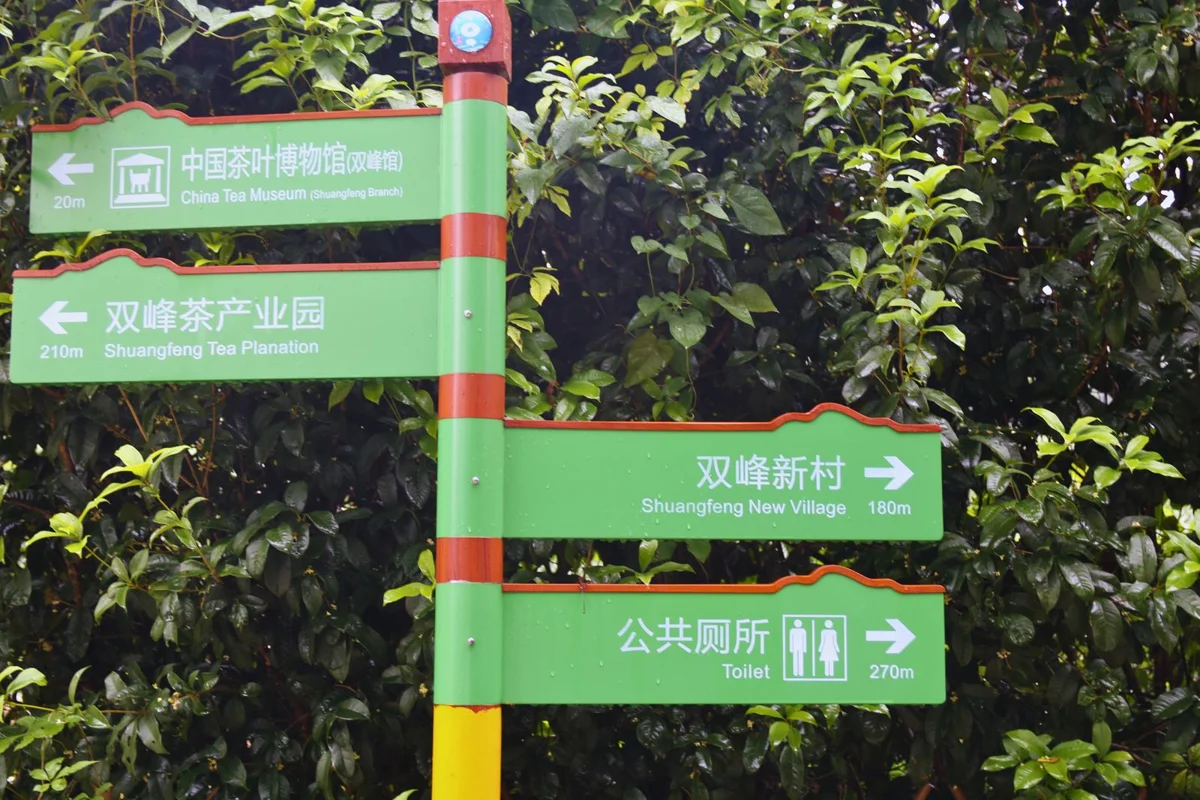
A tea museum may focus on growing and processing, trade, social habits, or the objects used to prepare and serve the drink. Before entering, read the museum's own description so that you know what kind of collection to expect. A display of ceramics will answer different questions from a preserved factory. Neither has to contain every part of tea history to be worth visiting. A clear focus can make a small collection especially rewarding.
Choose one thread for your visit. You might follow how containers changed, how tea moved between places, or how serving objects reflect the size of a gathering. This gives you a reason to look closely at a few exhibits rather than moving past everything at the same speed. Keep enough flexibility to follow an unexpected object, but do not feel obliged to remember every date or technical name simply because it appears on a label.
Read the object and its label together
Look first at the object itself: size, material, wear, handle, lid, and decoration. Then read what the label says about its date, place, maker, and use. Notice where the information is certain and where a description remains approximate. A beautiful vessel does not tell you on its own who could afford it or how commonly it was used. The label may clarify those points, or it may leave a question worth asking at the information desk.
Avoid treating the most elaborate object as a model of ordinary daily life. Museums preserve unusual and valuable things as well as everyday ones, and the selection shapes the story you see. Compare a decorated piece with a simpler object if both are present. Ask what difference in use or setting might explain them. This approach makes the collection more interesting than assuming that older always means better or that every household once used the same equipment.
Leave with three useful notes
Record one object, one fact you learned, and one unanswered question. If photography is allowed, include the label with the object so that its identity is not lost later. Check before using flash or photographing a temporary display. A museum visit does not need to end with a purchase, but a small catalogue can be useful if it explains the objects that interested you. The aim is a clearer way of looking at tea, not a memory test completed before the exit.