Floral tea without a perfume-like cup
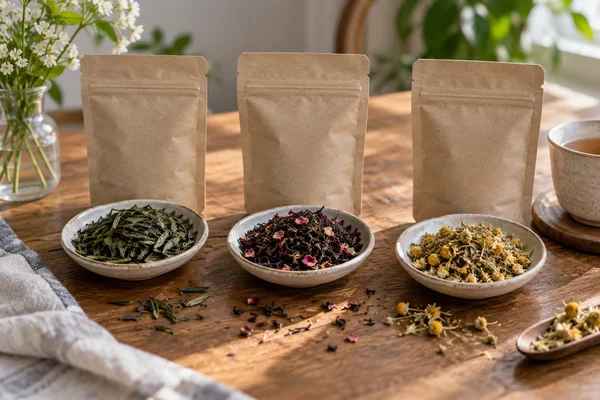
A floral cup can come from the leaf itself, flower scenting, or added flavouring. These are different routes to a fragrant drink.
Ask where the fragrance comes from
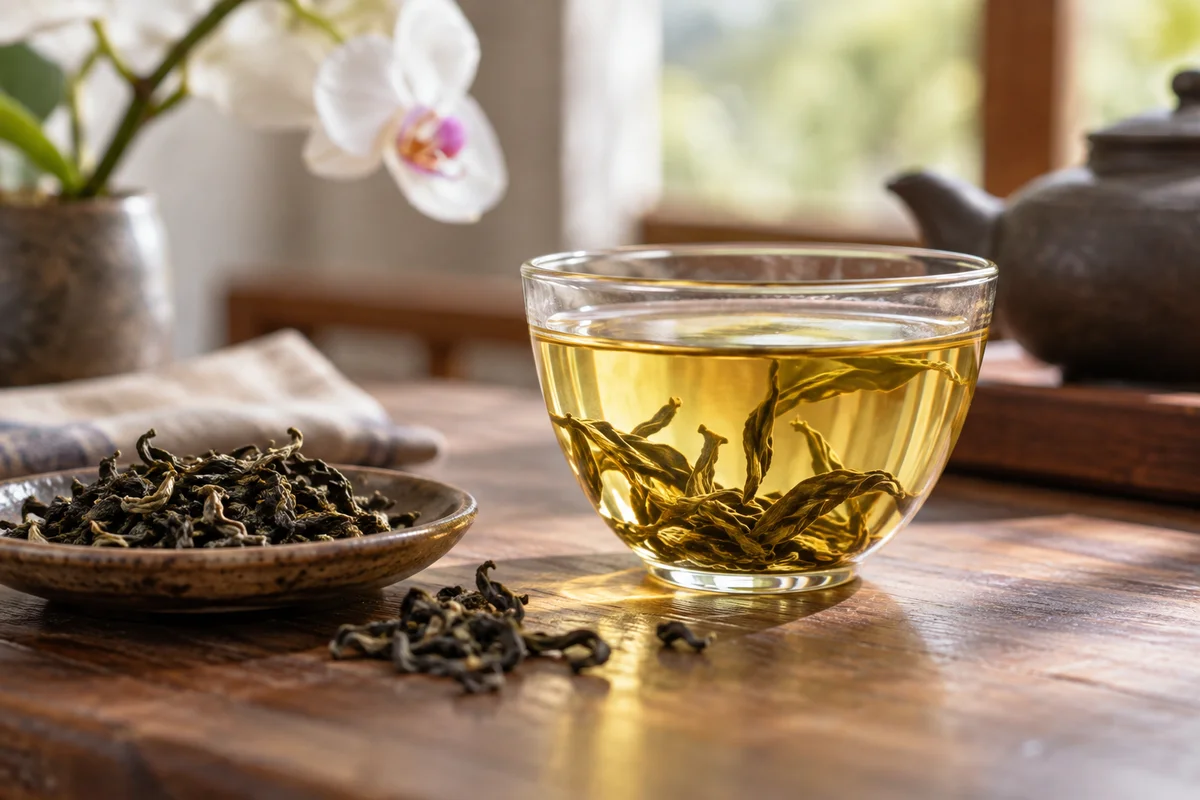
Floral is a broad description. Some teas develop flower-like aromas through their plant material and processing; others are scented with flowers, and some blends contain added flavourings. None of those descriptions tells you automatically whether you will enjoy the result. They do tell you what question to ask. If you want a plain tea with a natural floral impression, say so explicitly rather than assuming that a flower illustrated on the packet explains the process.
Jasmine-scented tea and a floral oolong can be a useful contrast, provided the seller identifies them accurately. The jasmine character is intentionally introduced through scenting in traditionally made examples, while the oolong's floral comparison can describe the tea itself. The purpose of comparing them is not to declare one more authentic. It is to discover whether you like a recognisable flower perfume or a subtler impression woven into the leaf's other aromas.
Fragrance and strength are separate
A strongly scented dry packet can be exciting to smell and tiring to drink. If possible, judge a brewed sample as well as the dry leaf. Notice whether the fragrance remains pleasant as the tea cools and whether the underlying taste still interests you. A delicate-looking pale cup can be highly aromatic, while a darker cup may smell less intense. Colour is not a reliable scale for floral strength.
If perfume-like flavours bother you, explain that plainly. Ask for a restrained floral character and buy a small amount. Do not let a description full of orchids and spring gardens persuade you that disliking the cup means you prepared it without enough sophistication. Your preference is useful information. A tea with a little roast or a fuller base may provide a floral note in a balance you find easier to enjoy.
Keep the tea's identity intact
Store strongly fragrant teas separately from plain ones, with their packets properly closed. Otherwise a later tasting can become confusing because the storage cupboard has contributed its own mixture. When taking notes, separate the scent from the finish: lovely flower aroma, but too drying, is more useful than simply writing floral. It gives you a clear next request at the shop and prevents buying the same mismatch under another attractive name.