Five useful questions in a tea shop
A good conversation in a tea shop starts with your habits and ends with a clearly identified packet you know how to use.
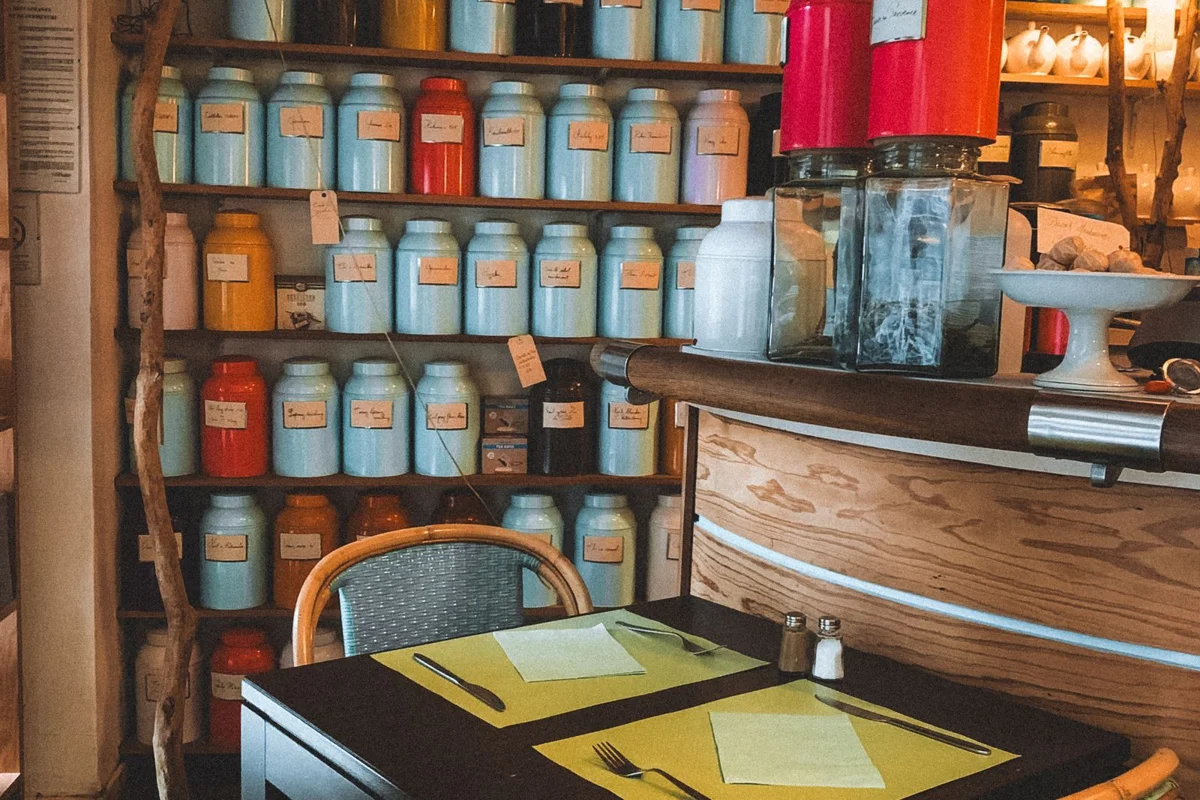
What would suit the cup I already enjoy?
Describe a tea you like and one thing you would change about it. Perhaps your breakfast blend is satisfying but too drying, or your green tea feels too grassy. Tell the seller whether you add milk, use a large mug, or prefer bags. These details create a useful brief. Asking only for the best tea gives the other person very little information about what best means to you.
Is this plain tea, scented tea, or a blend with additions?
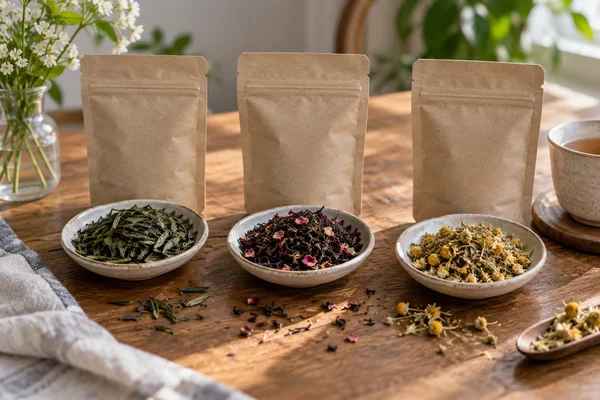
A flower-like aroma can come from the tea itself, traditional scenting, or added flavouring. A friendly explanation should make the distinction clear without treating your preference as a test of expertise. Ask to see the ingredient information for blends. If a particular ingredient matters, name it directly and check the exact product rather than accepting a broad answer about the shop's whole range.
What is the smallest useful amount?
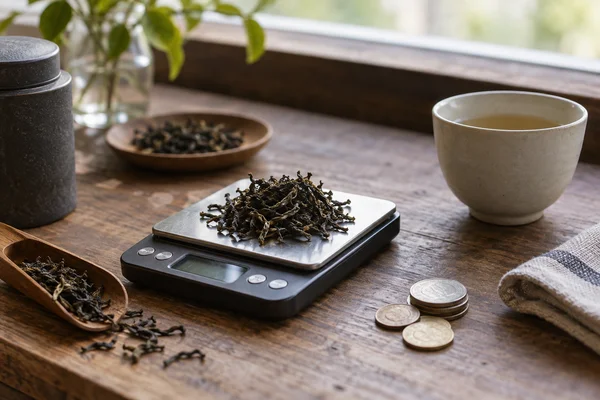
Ask for enough to make several cups or sessions, not necessarily the smallest possible sample. You need room to try the tea in your normal routine and repeat an uncertain first attempt. Find out whether the larger packet would be the same lot. A sample is useful evidence, but it cannot promise that a later harvest or a changed blend will taste exactly alike.
How would you prepare this with my equipment?
Describe what you actually own. A seller's demonstration with a tiny pot may be enjoyable, but you need a starting point for your own mug or kettle. Ask for the directions in writing on the packet if they are not already there. You do not have to buy an entire brewing arrangement to make the conversation successful. Sometimes the most helpful recommendation is a tea that suits what you already use.
What should I know before storing or buying it again?
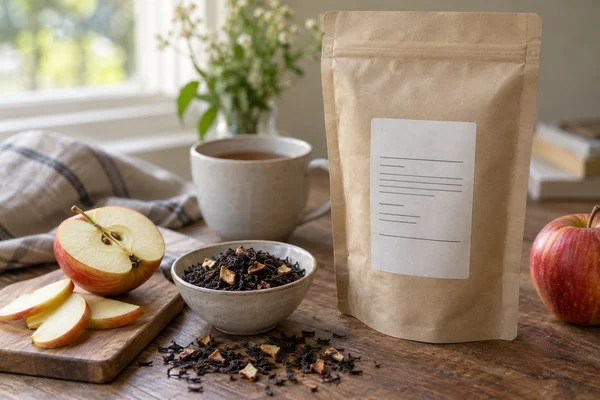
Check how to close and store the packet, and keep its full name and any relevant harvest or batch information. Ask whether it is a regular product or a limited lot if repeat buying matters to you. Then take a manageable quantity home and judge the cup there. A useful shop visit should leave you better informed, not obliged to carry away the most expensive tin because someone spent time explaining it.