Make a tea shelf you can actually finish
A satisfying tea shelf has room for what you drink. Count open packets before another interesting offer turns into a backlog.
Count cups, not good intentions
It is easy to imagine drinking every new tea at exactly the right moment. A quiet morning for this one, a long afternoon for another, and a guest visit for the elaborate tin. The cupboard records what actually happens. Take out the open packets and estimate how many ordinary preparations remain. Include the teas you rarely reach for. This is not a precise inventory exercise; it is a way to see whether the next order has a realistic place in your routine.
Separate favourites from experiments. A dependable daily tea can justify a larger quantity because you know how it will be used. An unfamiliar style is better treated as a trial. Buying the same generous size for both hides the difference between replenishing something and making a hopeful guess. A discounted large packet can still be an expensive mistake if most of it sits untouched while you continue buying other teas.
Give the shelf a simple limit
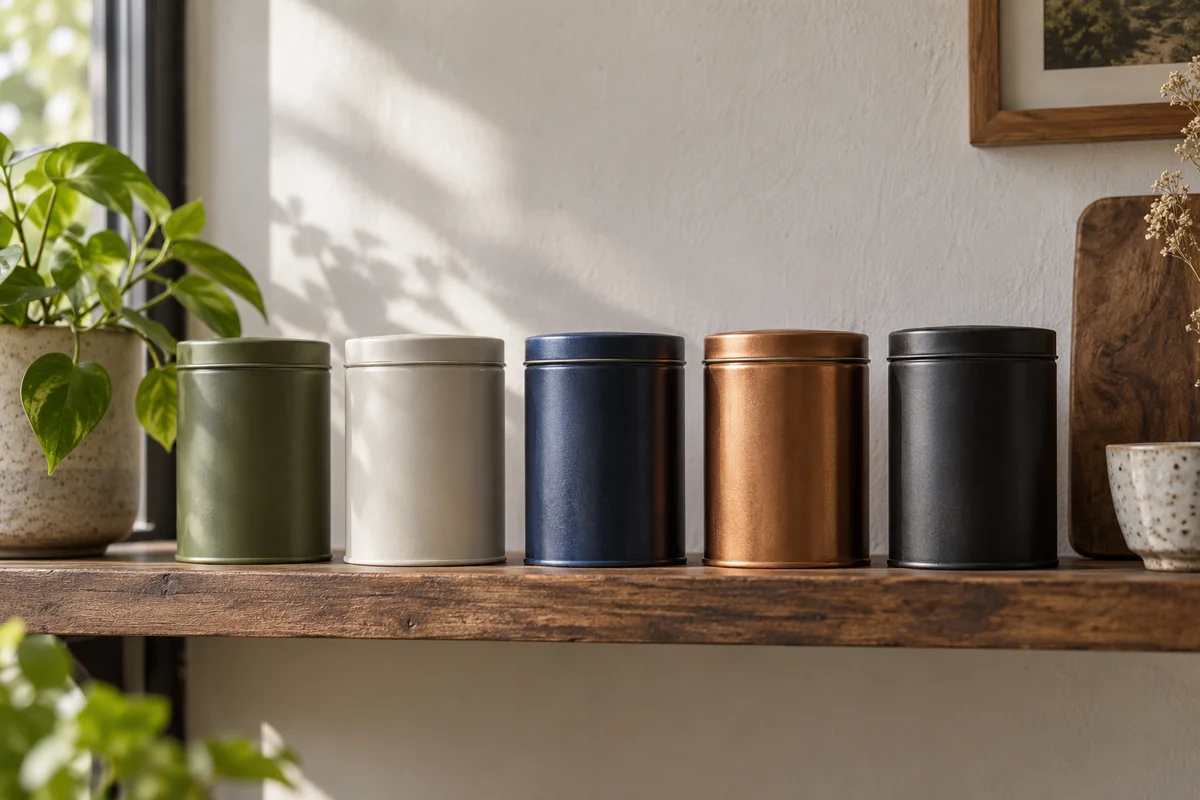
Choose a manageable number of open everyday options and leave reserves sealed until needed. The number should fit your household, not an arbitrary rule about how serious tea drinkers behave. A small household might do well with one black tea, one lighter tea, and an occasional infusion; another may genuinely use more. The useful limit is the one that lets you remember what is open and enjoy it without feeling that every cup is a duty.
Before buying, ask what role the new tea would fill. If the answer is the same as three existing packets, finish or reassess those first. If it offers a genuinely different experience you want now, buy a small amount. Keeping a short wish list can separate curiosity from immediate purchase. You may find that a tea still interests you after a few weeks, or that the attraction was mostly the photograph and the limited-time offer.
Make space without punishment
Do not force yourself to drink tea you dislike simply to justify its purchase. Suitable, clearly labelled unopened products may be shareable with someone who wants them; check ingredients and condition. Questionable stock should not become somebody else's surprise. Use the experience to adjust future quantities. A shelf that is gradually easier to navigate is a better outcome than a strict no-buy rule followed by another oversized order when patience runs out.