Avoid buying five versions of the same cup
Different names can lead to very similar cups. Compare the job each tea does before adding another packet to the same corner of your shelf.
A new label is not always a new experience
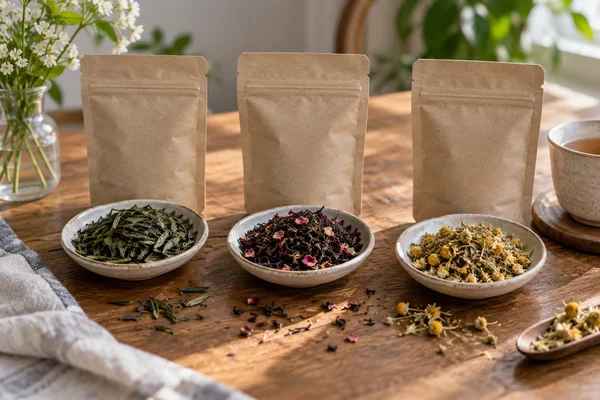
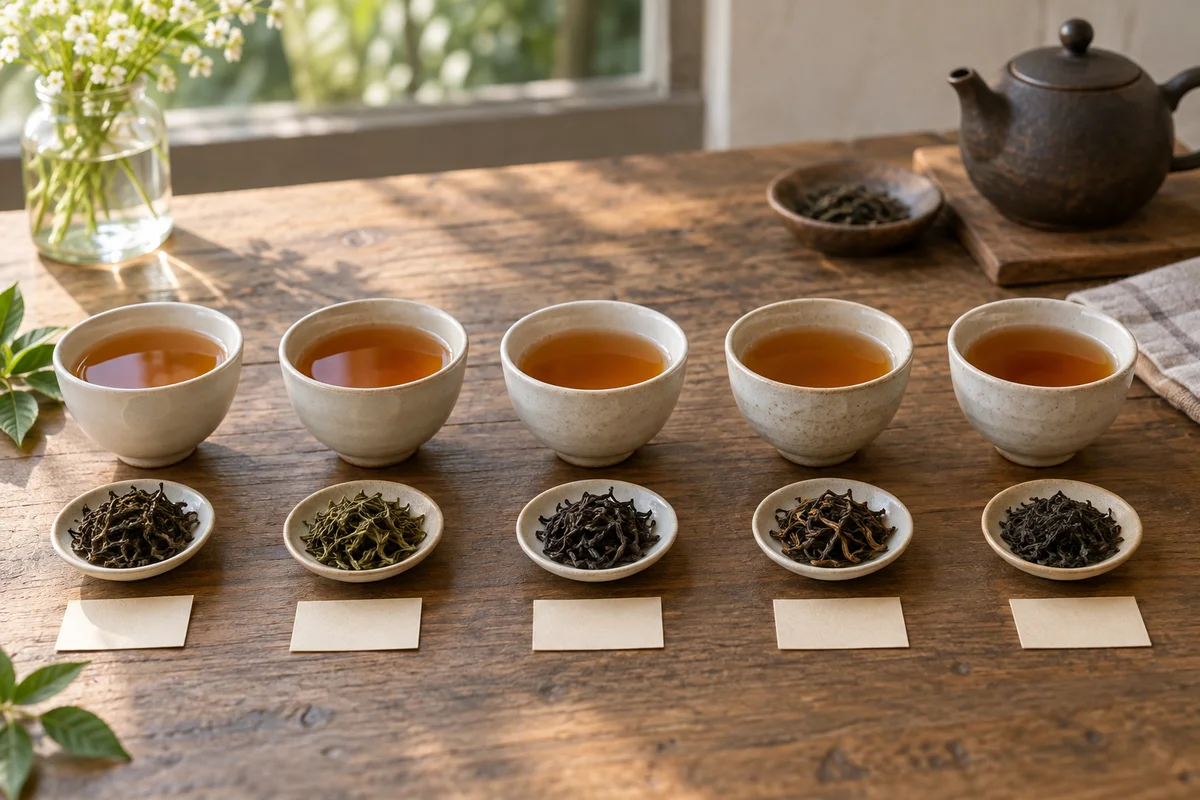
Five teas can look distinct in a shopping basket yet all become the same kind of morning drink at home. That is not necessarily a problem if you enjoy comparing small differences. It is a problem when you thought you were buying variety and instead created a queue of near substitutes. Before ordering, group the teas you already use by their role: robust with milk, light and floral, roasted, or a caffeine-free option identified from its ingredients.
Then read the proposed tea's description without looking at its attractive name. What would it add that is missing? A different origin or a new package may be interesting, but neither guarantees a noticeably different cup. If the main appeal is comparing two harvests or two producers, say that to yourself clearly and buy sample quantities. A comparison project usually needs less tea than a new daily favourite that will replace something already finished.
Compare two, not the whole shelf
Choose the closest pair and prepare each in a way that suits it. Use similar cups and give both a fair chance rather than forcing identical instructions onto different leaf styles. Write down the difference you can actually notice: one feels fuller, one has a brighter aroma, or one remains more pleasant as it cools. If you cannot find a meaningful difference for your own use, you do not need to invent one to justify the separate names.
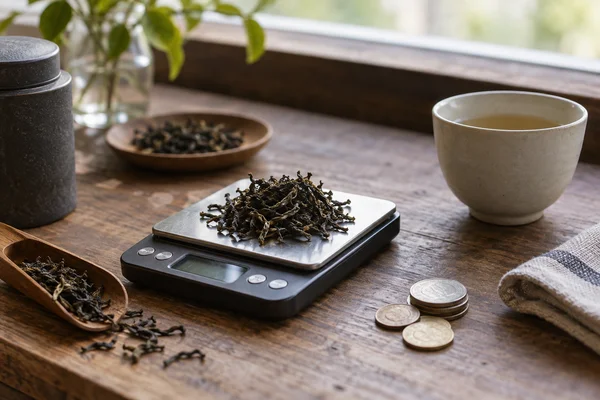
Price can then be compared on the same practical basis. Consider the amount used, the packet size, and whether both suit the same occasion. A more expensive tea may be worthwhile for a distinct pleasure, but a small difference you never notice in daily drinking may not matter to you. That is a personal buying judgement, not a declaration that the teas are objectively identical or that another drinker cannot appreciate their differences.
Leave room for a genuine contrast
After identifying overlaps, keep the version you most enjoy and let the others finish before replacing them. If you want variety, choose a clear contrast next time rather than another slightly renamed breakfast cup. You can still return to close comparisons later. A smaller shelf with understandable differences makes it easier to choose what you want now, instead of spending the tea break reading five labels that all promise roughly the same thing.