Give tea without guessing wildly
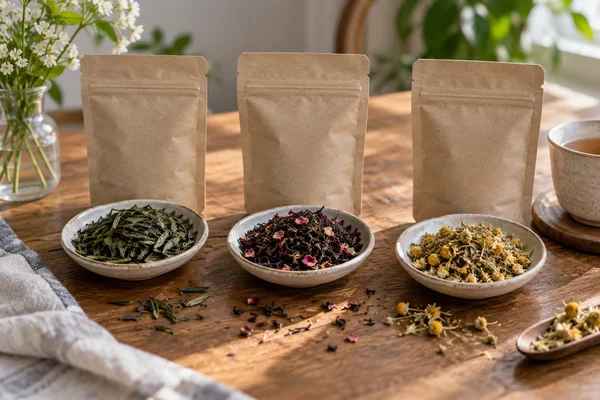
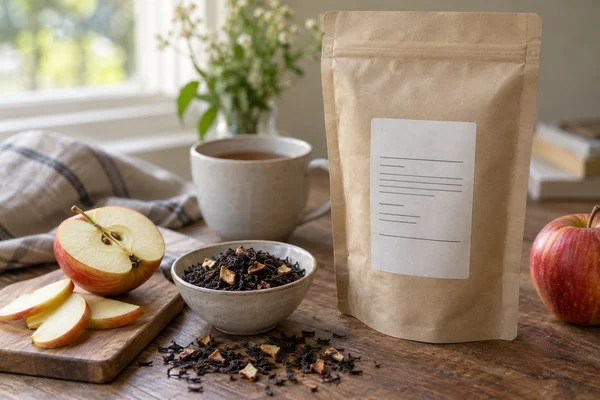
A thoughtful tea gift fits the recipient’s habits. Two well-chosen small packets often say more than a huge assortment.
Ask an ordinary question first
You do not need a detailed interview to choose a useful tea gift. Ask what the person drinks at home, whether they use bags or loose leaf, and whether they like plain or flavoured tea. If the gift must remain a surprise, notice the packet they already reach for. That is better evidence than assuming that anyone who likes tea wants a rare leaf, a ceremonial set, or a large collection of unfamiliar herbal blends.
Choose one safe direction and, if appropriate, one small discovery. A familiar style shows that you paid attention; a modest second packet leaves room for curiosity without turning the gift into a commitment. Keep quantities realistic. Someone who drinks tea only at weekends may appreciate twenty-five grams more than a large decorative tin that will remain open for months. The most generous-looking package is not always the most considerate choice.
Give enough information to use it
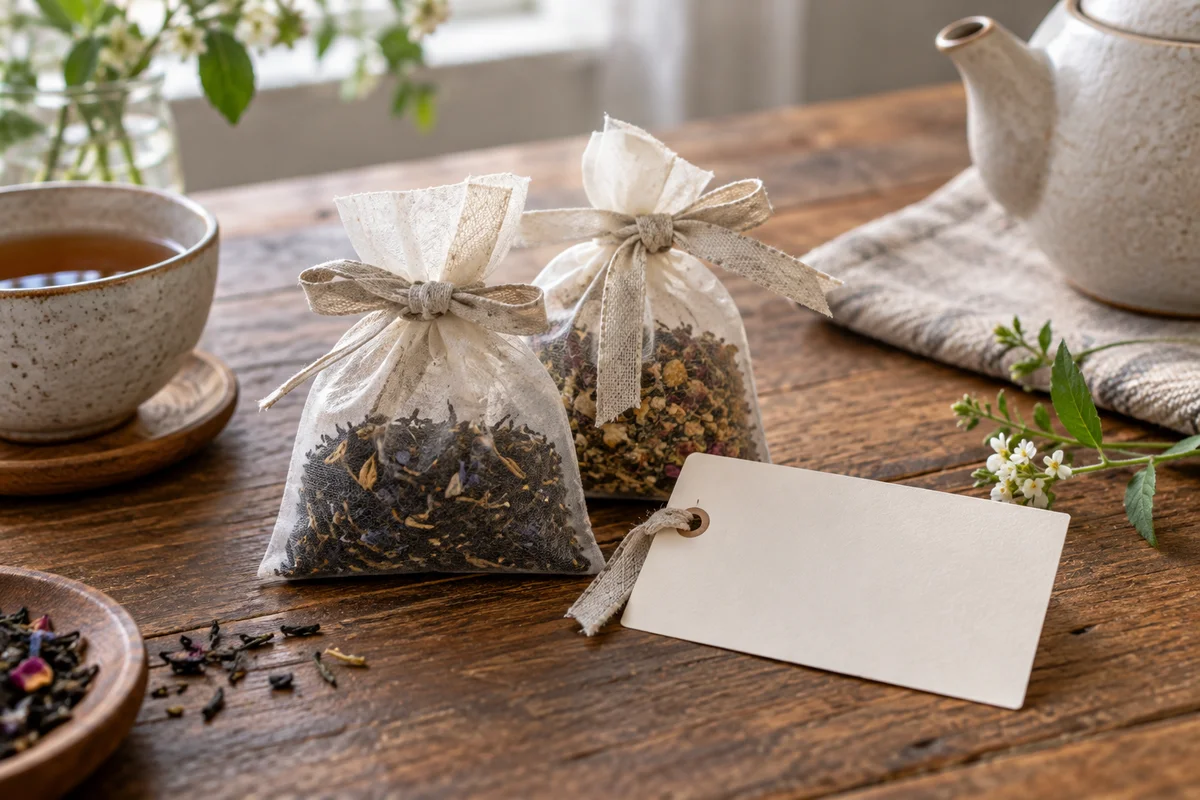
Leave the original labels attached or include the sealed packets inside the gift container. The recipient needs the ingredients, preparation advice, and product identity, not just a handwritten poetic name. If you decant anything, preserve that information accurately and avoid doing so when an allergy or dietary restriction is involved. It is usually simpler to let the manufacturer’s packaging do its job and make the outer wrapping attractive.
Think about equipment before adding loose tea. A person who uses only bags may not own a suitable strainer and may not want another object to clean. A small practical accessory can help, but ask rather than assuming that a complicated brewing set will be welcome. Similarly, a gift of matcha powder without knowing whether the person enjoys preparing it can create more work than pleasure. The point is to make the tea easy to enjoy.
Make refusal or exchange comfortable
Avoid presenting the gift as a test of taste. You can say that the second tea is something to try, not something they are expected to love. Keep purchase information in case there is a genuine product problem, and check the seller's current gift or return terms before relying on an exchange. A short note about why you chose the tea is enough. There is no need to invent a cultural story or claim a special health benefit to make the gesture meaningful.